
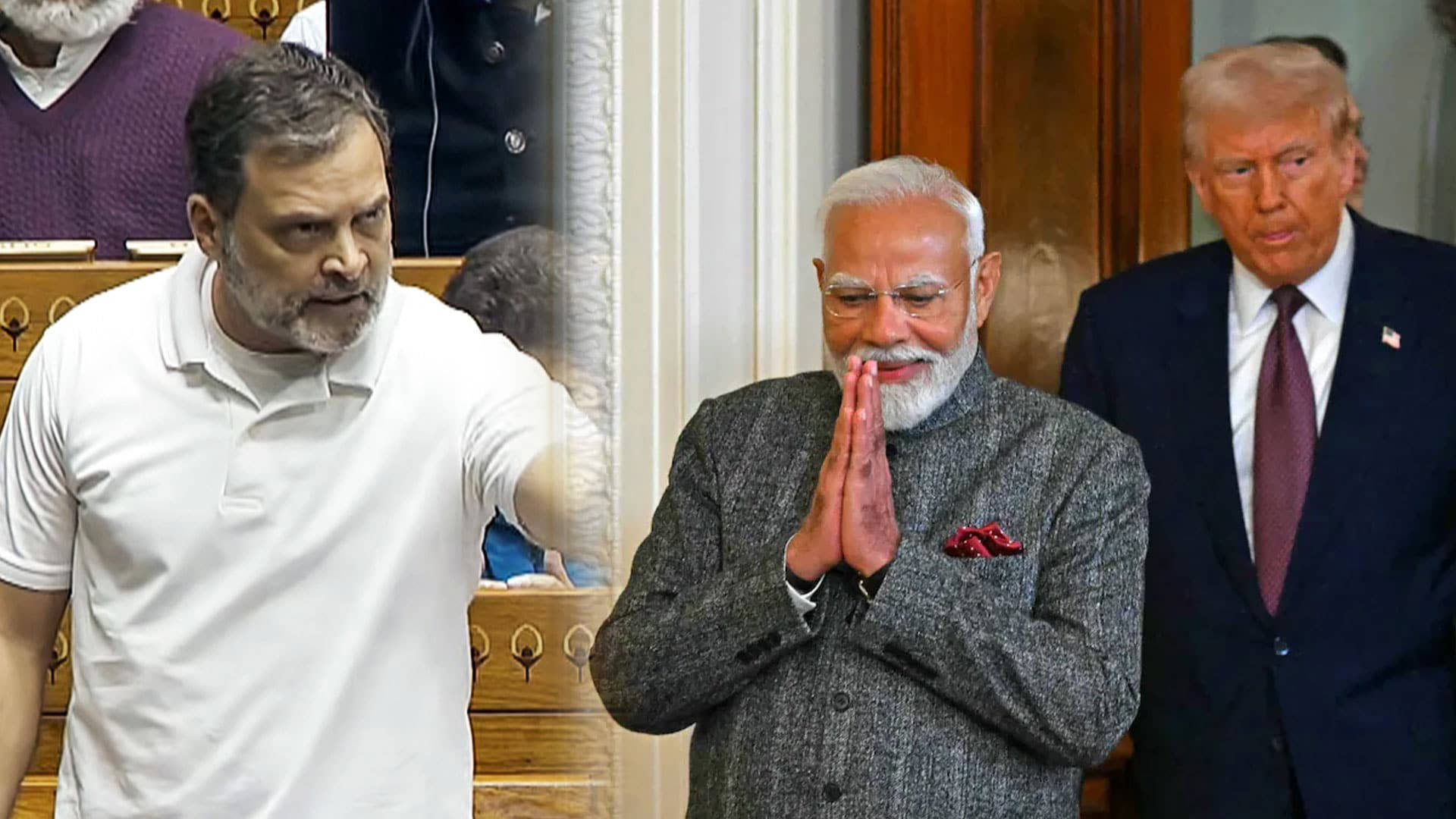
Rahul Gandhi Challenges Prime Minister Narendra Modi to Cancel the India-US Deal
Rahul challenges Narendra Modi Indian politics has once again witnessed a sharp confrontation between the ruling government and the opposition. This time, the spotlight is on Congress leader Rahul Gandhi, who has openly targeted Prime Minister Narendra Modi over the India-US trade agreement. Addressing a massive gathering at the Kisan Mahachaupal, Rahul Gandhi intensified his criticism of the Modi government and raised serious concerns about the implications of the India-US deal for farmers and small traders.
The political temperature soared as Rahul challenges Narendra Modi to cancel the India-US deal, making it a central issue in the ongoing national debate. The Congress leader alleged that the agreement favors corporate interests while ignoring the concerns of Indian farmers.
The Kisan Mahachaupal A Platform for Farmers Voices
The Kisan Mahachaupal was organized as a forum to amplify the voices of farmers who claim to be struggling under economic pressures. Speaking before a large crowd of farmers and party workers, Rahul Gandhi asserted that agriculture remains the backbone of India and that any international trade agreement must protect domestic producers.
During his speech, Rahul challenges Narendra Modi directly, asking whether the Prime Minister would be willing to scrap the deal if it harms India’s rural economy. He claimed that the government was unwilling to discuss the full details of the agreement in Parliament.
Rahul Gandhi stated that farmers are already grappling with rising input costs, fluctuating market prices, and mounting debts. According to him, the India-US trade agreement could potentially increase imports of agricultural products, creating stiff competition for Indian farmers.

Allegation of Being Silenced in Parliament
One of the key points raised during the speech was Rahul Gandhi’s claim that he was not allowed to speak in the Lok Sabha. He alleged that the government was avoiding a detailed debate on the India-US deal and suppressing opposition voices.
He said democracy thrives on discussion and transparency, but the ruling party was preventing meaningful dialogue. In this context, Rahul challenges Narendra Modi to ensure a full parliamentary debate and to make the agreement public for scrutiny.
According to the Congress leader, if the government is confident that the deal benefits India, it should have no hesitation in placing it before the House for detailed discussion.
What Is the India US Trade Deal About?
The India-US trade relationship has been growing steadily over the years, encompassing sectors like defense, technology, pharmaceuticals, and agriculture. The agreement in question is aimed at strengthening bilateral trade ties between India and the United States.
While the government has described the deal as a step toward economic growth and global competitiveness, critics argue that certain clauses could adversely affect local industries. This is where Rahul challenges Narendra Modi, claiming that the agreement may tilt the balance in favor of American companies.
Supporters of the deal argue that enhanced trade relations with the US can lead to increased exports, job creation, and foreign investment. However, opponents fear that reduced tariffs on agricultural imports could undermine Indian farmers.
Farmers at the Center of the Debate
At the Kisan Mahachaupal, Rahul Gandhi repeatedly emphasized that farmers must be at the center of any trade policy. He accused the Modi government of prioritizing big corporations over rural communities.
In a strong statement, Rahul challenges Narendra Modi to prove that the deal will not damage India’s agricultural sector. He questioned whether small-scale farmers can compete with heavily subsidized American agricultural products.
Farmers present at the rally expressed concerns about market access, minimum support prices (MSP), and the potential influx of foreign produce. Rahul Gandhi pledged that the Congress party would continue to raise these issues at every platform.
Political Reactions and Counterarguments
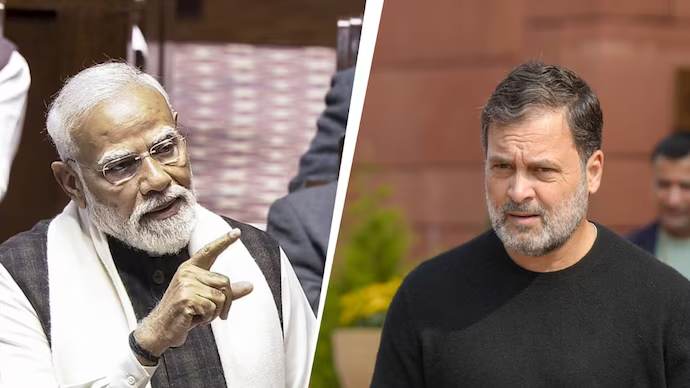
The Bharatiya Janata Party (BJP) responded swiftly to Rahul Gandhi’s allegations. Party spokespersons dismissed his claims as politically motivated and misleading. They argued that the India-US deal is structured to protect Indian interests and boost exports.
Despite the rebuttals, Rahul challenges Narendra Modi once again, asserting that the government must provide a clear explanation of the deal’s long-term impact.
BJP leaders claimed that the opposition was attempting to create unnecessary fear among farmers. They emphasized that India has signed several trade agreements in the past without harming domestic industries.
A Larger Political Strategy?
Political analysts suggest that Rahul Gandhi’s aggressive stance may be part of a broader strategy to consolidate rural votes ahead of upcoming elections. By focusing on farmers’ issues, the Congress party hopes to regain its traditional support base.
At multiple points during his address, Rahul challenges Narendra Modi not just on the trade deal but also on broader economic policies affecting rural India.
Observers note that trade agreements often become contentious political issues because their benefits and drawbacks are complex and long-term. The Congress leader’s demand for transparency could resonate with sections of the electorate who feel excluded from policy decisions.
The Parliamentary Angle
Rahul Gandhi’s claim of being denied the opportunity to speak in Parliament has added another dimension to the controversy. He accused the government of undermining democratic norms.
Reiterating his stance, Rahul challenges Narendra Modi to allow a comprehensive discussion in Parliament and to answer questions raised by the opposition.
The government, however, maintains that parliamentary procedures were followed and that no member was unfairly silenced. This clash over parliamentary conduct has further intensified political tensions.
Impact on India-US Relations
The India-US relationship is considered strategically important, spanning defense cooperation, technology sharing, and economic collaboration. Any call to cancel a trade deal could have diplomatic implications.
Even so, Rahul challenges Narendra Modi to prioritize national interest over diplomatic considerations. He argued that India must negotiate from a position of strength and ensure that domestic industries are not compromised.
Diplomatic experts caution that abrupt cancellation of agreements can affect investor confidence and bilateral trust. However, they also acknowledge that renegotiations are not uncommon if domestic concerns arise.
The Economic Debate
Economists remain divided on the potential impact of the India-US deal. Some believe that access to the American market can significantly benefit Indian exporters. Others warn that certain sectors may face increased competition.
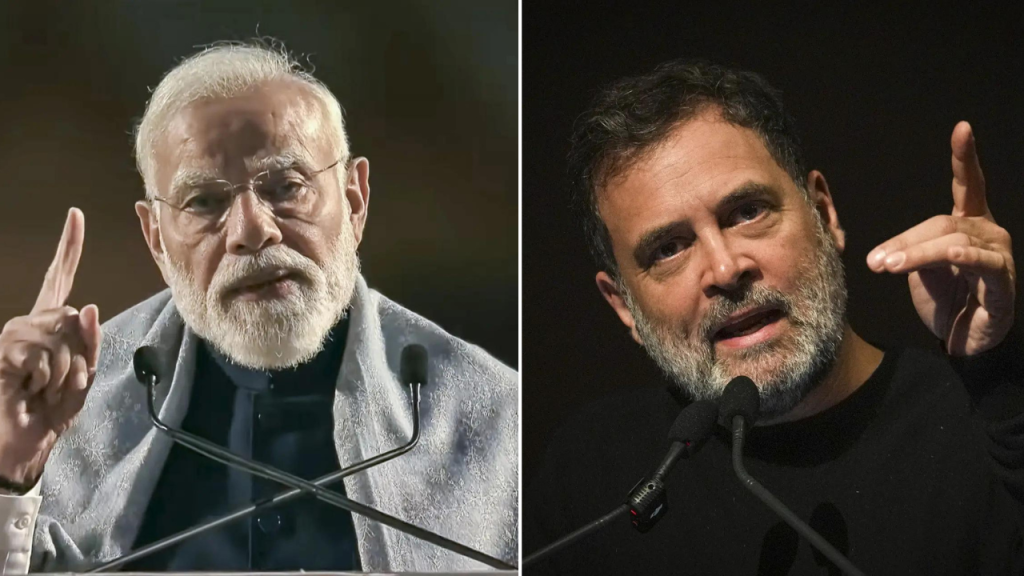
Amid this debate, Rahul challenges Narendra Modi to release a detailed impact assessment report. He emphasized that informed public discourse is essential for democratic policymaking.
Trade experts point out that agreements often include safeguard clauses to protect vulnerable sectors. The key question is whether these safeguards are robust enough to shield Indian farmers.
Public Sentiment and Media Coverage
The controversy has dominated headlines across national media outlets. Social media platforms are flooded with debates, hashtags, and political commentary.
As the issue gains traction, Rahul challenges Narendra Modi continues to trend as a key phrase in political discussions. Supporters hail Rahul Gandhi’s stand as bold and pro-farmer, while critics view it as political posturing.
Public opinion appears divided, reflecting the broader polarization in Indian politics.
The Road Ahead
The coming weeks are likely to see intensified debate both inside and outside Parliament. Opposition parties may join hands to demand greater transparency regarding the India-US deal.
Meanwhile, Rahul challenges Narendra Modi remains the rallying cry for Congress supporters seeking accountability.
The Modi government faces the challenge of balancing diplomatic commitments with domestic political pressures. Whether the deal will be renegotiated, defended, or further clarified remains to be seen.
Conclusion: A Defining Political Moment
The confrontation over the India-US trade agreement highlights the complexities of policymaking in a democracy. It underscores the tension between globalization and domestic priorities.
At its core, Rahul challenges Narendra Modi represents not just a political slogan but a broader debate about transparency, farmers’ welfare, and national interest.
As India navigates its path in an interconnected world, the demand for accountability and inclusive decision-making will continue to shape its political landscape. Whether this challenge leads to policy changes or remains a rhetorical battle will depend on the government’s response and public sentiment in the days ahead.
In the evolving story of Indian politics, this episode may well become a significant chapter—one where trade, democracy, and electoral strategy intersect in dramatic fashion.
Read More latest news

