
Shia Muslim Community in Jabalpur Holds Rally to Protest the Attacks on Iran, Appeals to PM Modi for Peace
Introduction
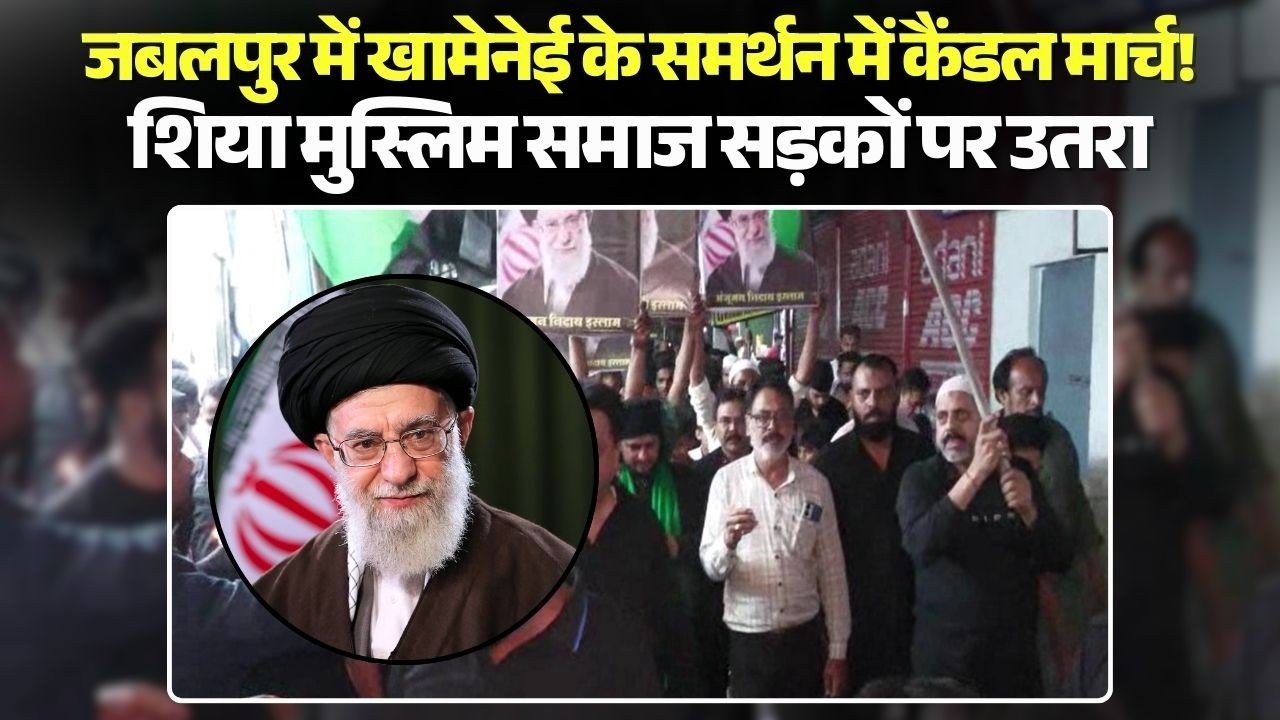
In the city of Jabalpur in Madhya Pradesh, members of the Shia Muslim community recently organized a large rally to protest the attacks on Iran and raise awareness about the escalating tensions in the Middle East. The demonstration drew the participation of community leaders, social activists, religious scholars, and hundreds of citizens who expressed deep concern over the ongoing geopolitical conflict affecting the region.
Participants gathered with banners, placards, and slogans calling for peace and diplomacy. The main aim of the rally was to protest the attacks on Iran, highlight the humanitarian concerns surrounding the conflict, and urge global leaders to take immediate steps to prevent further escalation. Protesters also appealed directly to Prime Minister Narendra Modi to use India’s diplomatic influence to encourage dialogue and peaceful resolution.
The rally became a powerful expression of solidarity with the people of Iran and a call for peace in a region already facing political instability. Throughout the demonstration, participants repeatedly emphasized their intention to protest the attacks on Iran, warning that continued conflict could have severe consequences for global stability.
Background: Rising Tensions in the Middle East
The Middle East has long been a region marked by complex geopolitical rivalries, religious divisions, and strategic competition among global powers. In recent months, tensions have escalated sharply due to military actions, diplomatic standoffs, and security concerns involving Iran, Israel, and the United States.
These developments have triggered widespread reactions across the world. In India, many communities with cultural, religious, or emotional connections to the region have closely followed the situation. For the Shia Muslim community in particular, Iran holds deep religious and historical significance, which is why many people felt compelled to protest the attacks on Iran.
Community members explained that their rally in Jabalpur was not only about politics but also about humanitarian concerns. They believe that ordinary civilians often become the biggest victims of international conflicts. For this reason, they gathered peacefully to protest the attacks on Iran and call for restraint from all sides.
Speakers at the rally highlighted that wars in the Middle East rarely remain limited to one country. Instead, they tend to trigger wider regional instability, economic disruptions, and humanitarian crises. This fear motivated many participants to come forward and protest the attacks on Iran in a public and organized manner.

The Rally in Jabalpur
The rally in Jabalpur began with community members assembling at a prominent location in the city before marching through nearby streets. Participants carried placards calling for peace and justice while chanting slogans demanding an end to military aggression.
Religious leaders addressed the crowd and explained that the gathering was meant to protest the attacks on Iran and encourage international dialogue rather than violence. They stressed that the objective was not to create division but to raise awareness about the dangers of escalating warfare.
Several speakers said the rally symbolized unity and compassion for innocent civilians who suffer during conflicts. Many attendees described the protest as a moral responsibility, stating that citizens around the world must speak up when they believe injustice is taking place.
During the demonstration, participants repeatedly reiterated their intention to protest the attacks on Iran while emphasizing the importance of peaceful advocacy. The rally remained orderly, with organizers urging everyone to maintain discipline and respect public safety.
Appeal to Prime Minister Narendra Modi
A major focus of the rally was an appeal directed toward Prime Minister Narendra Modi. Protesters requested that the Indian government use its diplomatic channels to promote peace and prevent further escalation in the Middle East.
India has traditionally maintained balanced relations with many countries in the region, including Iran, Israel, and the United States. Because of this unique position, protesters believe that India could potentially play a constructive role in encouraging dialogue between conflicting parties.
Speakers at the rally stated that India’s voice carries significant weight on the global stage. They urged the Prime Minister to consider humanitarian concerns and engage with international leaders to reduce tensions. The demonstrators said their appeal to Modi was a sincere effort to seek peace while continuing to protest the attacks on Iran.
Community representatives also submitted a memorandum requesting diplomatic intervention. The document reportedly highlighted the fears of escalating conflict and emphasized the need for peaceful negotiations.
Slogans and Messages Raised During the Protest
Throughout the rally, participants raised slogans reflecting their concerns about the ongoing conflict. Many chants focused on peace, justice, and solidarity with civilians affected by the crisis.
Some slogans criticized the role of global powers involved in the conflict, while others emphasized unity among communities. The central theme, however, remained consistent: participants gathered to protest the attacks on Iran and demand an immediate end to violence.
Placards carried by protesters included messages advocating diplomacy, international cooperation, and respect for national sovereignty. These messages were intended to remind leaders that wars have devastating consequences for ordinary people.
By raising their voices collectively, participants hoped to draw attention to the situation and reinforce their determination to protest the attacks on Iran in a peaceful manner.
Voices from the Community
Many individuals attending the rally shared their personal thoughts about the situation in the Middle East. For several members of the Shia Muslim community, Iran represents not only a political entity but also a center of religious scholarship and cultural identity.
One community elder explained that their intention was simply to protest the attacks on Iran and express solidarity with innocent civilians. He emphasized that conflicts between nations should always be resolved through dialogue rather than military force.
Another participant said that global peace depends on mutual respect between countries. She noted that citizens everywhere have a responsibility to raise their voices when they believe war could lead to unnecessary suffering.

Several young participants also joined the rally, stating that they wanted to support efforts to protest the attacks on Iran and promote awareness about international issues affecting the Muslim world.
Importance of Peaceful Protest
Peaceful protest has long been a fundamental part of democratic societies. It allows citizens to express opinions, raise awareness, and advocate for change without resorting to violence.
The rally in Jabalpur demonstrated how communities can organize themselves to express concern about international issues. Participants made it clear that their goal was to protest the attacks on Iran while maintaining respect for the law and public order.
Organizers emphasized discipline throughout the event. Volunteers helped manage the crowd, guided the march route, and ensured that the demonstration remained peaceful.
Such protests can play an important role in shaping public discourse. By gathering together to protest the attacks on Iran, participants hoped to encourage conversations about diplomacy, peace, and global responsibility.
India’s Position in the Middle East
India maintains strategic and economic relationships with several countries in the Middle East. The region is crucial for India’s energy security, trade partnerships, and expatriate workforce.
Because of these ties, India often adopts a balanced diplomatic approach when tensions arise in the region. Analysts believe this position allows India to maintain communication with multiple sides in a conflict.
During the rally in Jabalpur, speakers acknowledged India’s complex role in the region. They expressed hope that the government could leverage its diplomatic relationships to encourage dialogue.
By gathering to protest the attacks on Iran, participants were also expressing their belief that India’s voice could contribute to peace-building efforts internationally.
Global Reactions to the Conflict
The conflict involving Iran has drawn reactions from governments, international organizations, and civil society groups around the world. Some countries have expressed concern about the potential for escalation, while others have emphasized the need for restraint.
International observers warn that prolonged conflict could destabilize the entire Middle East. Economic consequences, energy supply disruptions, and humanitarian crises are among the risks frequently discussed.
These concerns were echoed by participants in the Jabalpur rally. Many speakers said they were motivated to protest the attacks on Iran because they feared that continued violence could trigger wider instability.
Protesters urged world leaders to prioritize diplomacy and avoid actions that could further intensify the conflict.
The Role of Community Leadership
Community leaders played a significant role in organizing the rally. Religious scholars, social activists, and local representatives worked together to coordinate the event and ensure that it remained peaceful.
Before the rally began, organizers held meetings to discuss the objectives and guidelines for participants. They emphasized that the event should focus on humanitarian concerns and the collective desire to protest the attacks on Iran.
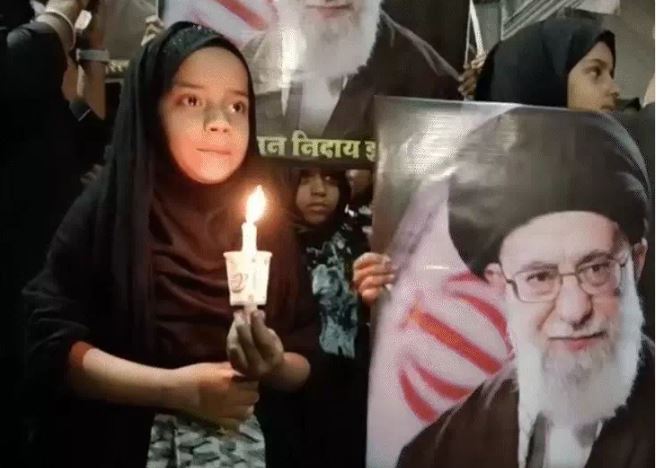
Leaders also encouraged participants to maintain unity and respect while expressing their views. They reminded the crowd that peaceful advocacy can be a powerful tool for raising awareness.
Through their leadership, the organizers helped ensure that the rally remained focused on its core purpose: to protest the attacks on Iran and promote peace.
Conclusion
The rally held by the Shia Muslim community in Jabalpur highlighted the deep concern felt by many citizens regarding the escalating tensions in the Middle East. Participants gathered peacefully to protest the attacks on Iran, express solidarity with affected civilians, and urge global leaders to pursue diplomatic solutions.
By appealing to Prime Minister Narendra Modi, protesters demonstrated their belief that India can play a constructive role in promoting dialogue and reducing conflict. Their rally served as a reminder that ordinary citizens often care deeply about international events and wish to contribute to peace in whatever ways they can.
Ultimately, the demonstration reflected a broader hope shared by many people around the world: that conflicts can be resolved through negotiation, cooperation, and mutual respect. Through their voices and presence, the participants in Jabalpur sought to protest the attacks on Iran while calling for a future defined not by war but by peace, stability, and understanding.
Read More latest news

