
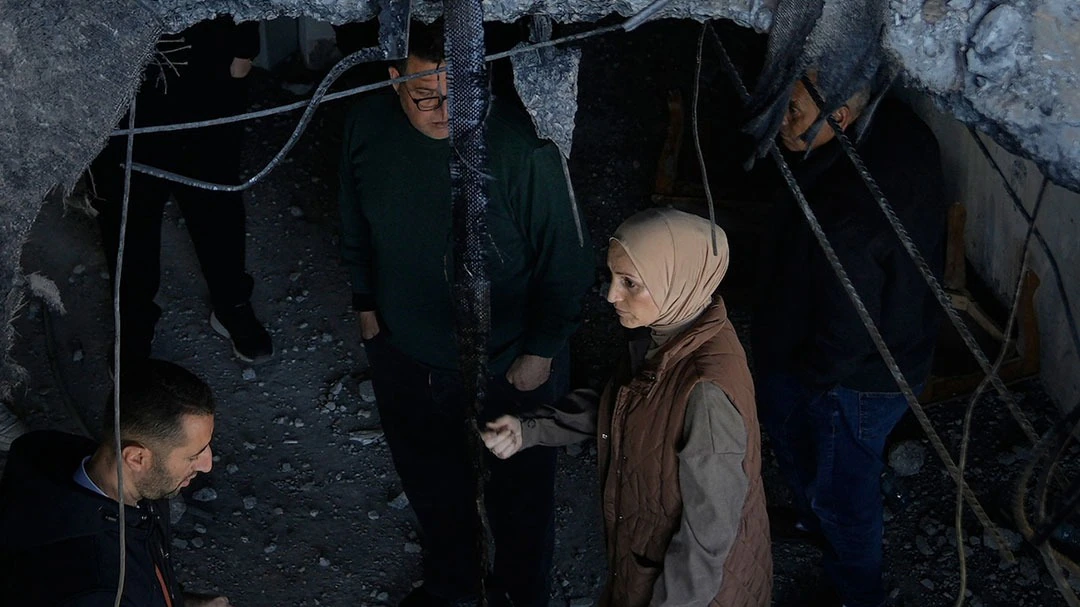
Tension in the Middle East After the Tehran Bank Attack By Israil: Iran Warns of Targeting Regional Banks
Introduction
The Middle East is once again witnessing a dangerous escalation of geopolitical tensions following the Tehran bank attack By Israil, which targeted an administrative facility linked to Bank Sepah, one of Iran’s oldest state-owned banks. The incident has triggered a sharp response from Tehran, with Iranian authorities warning that banks and financial institutions linked to the United States and Israel across the region could become targets in retaliation.
The Tehran bank attack By Israil has not only intensified the conflict between Iran and Israel but has also raised alarm across the global financial sector. International banks operating in the Gulf region have begun implementing emergency safety measures. In the United Arab Emirates, Citibank has reportedly closed or evacuated several offices, while other multinational banks have also reduced operations due to security concerns.
The attack and Iran’s response have sparked fears that the conflict may expand beyond military targets and begin affecting financial infrastructure, potentially disrupting global markets and regional stability. As tensions rise, governments, financial institutions, and analysts are closely watching developments linked to the Tehran bank attack By Israil.
What Happened in the Tehran Bank Attack By Israil
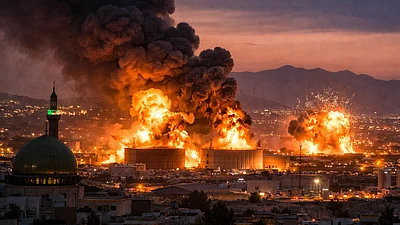
The latest crisis began when a missile strike hit a building associated with Bank Sepah in Tehran, reportedly damaging the bank’s digital security center and disrupting services.
Iranian authorities accused Israel and its allies of being responsible for the incident, describing the Tehran bank attack By Israil as an “illegitimate and unconventional attack” on the country’s financial infrastructure.
Bank Sepah holds strategic importance in Iran’s financial system. It has strong links to Iran’s military institutions and processes payments for government and defense personnel. Because of these connections, the Tehran bank attack By Israil is being viewed by Iranian officials not just as a financial strike but also as an attack on national security.
Following the incident, several banking services experienced disruptions, including online banking and ATM operations, which added to public anxiety within Iran.
Iran Strong Warning After the Tehran Bank Attack By Israil
In response to the Tehran bank attack By Israil, Iran issued a strong warning to countries in the Middle East and beyond. Military officials declared that economic centers and banks associated with the United States and Israel could now be considered legitimate targets.
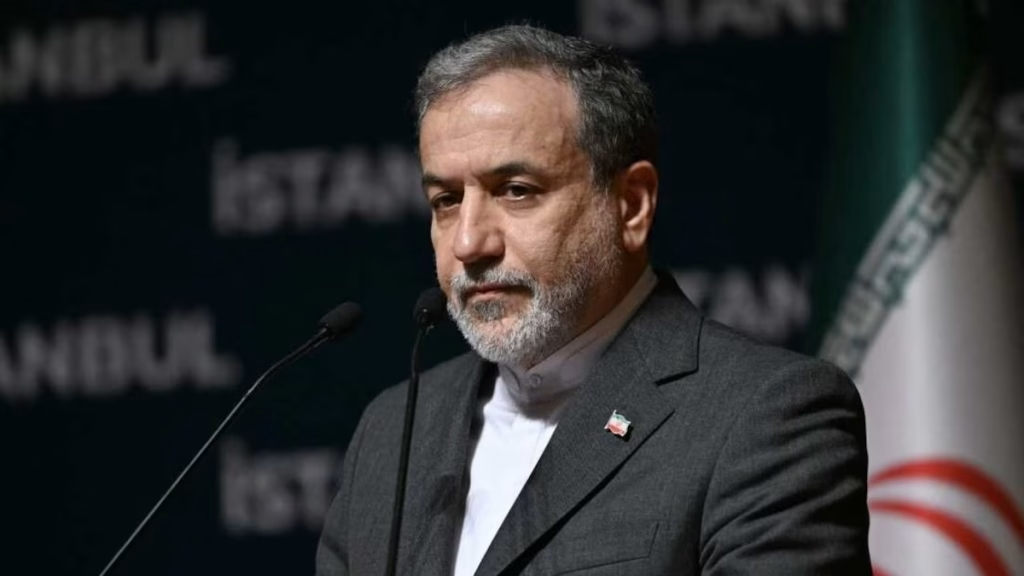
The Iranian military command reportedly advised civilians across the region to stay at least one kilometer away from banks and financial centers, indicating the seriousness of the threat environment.
This statement marked a major escalation because it suggested that financial infrastructure could become part of the battlefield in the ongoing confrontation between Iran and Israel.
Iran’s message following the Tehran bank attack By Israil has therefore raised concerns among global banks, governments, and multinational corporations operating in the Middle East.
Citibank and Other Banks Respond to the Crisis
The growing tension after the Tehran bank attack By Israil has already forced several international financial institutions to take precautionary measures.
Reports indicate that Citibank evacuated staff from its Dubai offices and allowed employees to work remotely, while other banks like Standard Chartered and HSBC implemented similar safety protocols.
Some branches in Gulf countries have temporarily shut down to ensure the safety of employees and customers.
Financial hubs such as Dubai International Financial Centre (DIFC) host hundreds of global banks and financial companies. The warning issued after the Tehran bank attack By Israil has therefore created uncertainty within these critical economic centers.
Many companies have advised their staff to work from home and avoid crowded commercial districts where banks are located.
Why the Tehran Bank Attack By Israil Is So Significant
The Tehran bank attack By Israil represents a shift in the nature of modern conflicts. Traditionally, wars have targeted military bases, airports, and government facilities. However, the attack on a financial institution indicates that economic infrastructure is now becoming a strategic target.
This development could have several consequences:
- Financial instability in the Middle East
- Disruption of international banking operations
- Potential economic retaliation between countries
- Heightened cyber warfare targeting financial systems
Experts believe the Tehran bank attack By Israil signals the beginning of a new phase in the regional confrontation where economic pressure and financial disruption may become major tools of warfare.
Impact on the UAE and Gulf Financial Centers
The Gulf region, particularly the United Arab Emirates, serves as a major international financial hub. Cities like Dubai and Abu Dhabi host branches of hundreds of global banks, making them vulnerable to economic shocks caused by geopolitical tensions.
After the Tehran bank attack By Israil, authorities and corporations in the UAE increased security around financial institutions.
Banks began reviewing contingency plans and implementing emergency response strategies to protect employees and customers.
Analysts warn that if threats linked to the Tehran bank attack By Israil escalate further, financial markets in the region could face disruptions such as:
- Temporary closure of banking branches
- Increased security around financial centers
- Remote work arrangements for bank employees
- Possible relocation of international financial companies
Fear of Economic Warfare
The Tehran bank attack By Israil has raised fears that the conflict could evolve into economic warfare, where countries target financial institutions to weaken each other’s economies.
Iran has already warned that banks connected to its adversaries could face retaliation. Such actions could potentially affect global financial flows, especially in a region that plays a crucial role in energy markets and international trade.
If attacks continue after the Tehran bank attack By Israil, it may trigger broader economic consequences such as:
- Rising oil prices
- Financial market instability
- Reduced investor confidence
- Disruptions in international banking networks
Global Economic Implications
The Middle East remains one of the most strategically important regions in the world economy. The Tehran bank attack By Israil could therefore have ripple effects far beyond the region.
International investors are closely watching developments because any instability in the Gulf could affect global trade routes, energy supplies, and financial markets.
Economic analysts believe that if tensions triggered by the Tehran bank attack By Israil escalate further, global stock markets and oil prices could become increasingly volatile.
Cyber Warfare and Financial Systems
Another major concern emerging from the Tehran bank attack By Israil is the potential expansion of cyber warfare targeting financial institutions.
Modern banks rely heavily on digital infrastructure. Cyberattacks could disrupt banking services, payment systems, and financial networks.
Security experts warn that the conflict following the Tehran bank attack By Israil could lead to cyberattacks targeting:
- Banking databases
- ATM networks
- online banking systems
- financial trading platforms
Such attacks could affect millions of customers worldwide.
Political Reactions Around the World
Governments around the world are closely monitoring developments after the Tehran bank attack By Israil. Many countries have called for restraint and urged all parties to avoid actions that could escalate the conflict.
Diplomatic efforts are underway to prevent further escalation, as the consequences of financial warfare could be severe.
The United Nations and several international organizations have also expressed concern about the risks posed by attacks on civilian economic infrastructure.
The Growing Risk of Regional Conflict
The Tehran bank attack By Israil is being viewed by analysts as part of a broader confrontation between Iran, Israel, and their allies.
Recent months have already seen missile strikes, cyberattacks, and military tensions across the region. The attack on a bank suggests that the conflict could spread into new domains, including economic and financial infrastructure.
If retaliatory actions follow the Tehran bank attack By Israil, the Middle East could face a prolonged period of instability.
Conclusion
The Tehran bank attack By Israil has dramatically increased tensions in the Middle East and introduced a dangerous new dimension to the conflict: attacks on financial infrastructure.
Iran’s warning that banks and economic centers could become targets has already forced major international banks to take precautionary measures. Citibank and other financial institutions in the Gulf have evacuated offices and adjusted operations in response to the growing threat.
As the situation continues to evolve, the global community is watching closely. The consequences of the Tehran bank attack By Israil could extend far beyond Iran and Israel, potentially affecting international banking systems, financial markets, and regional stability.
Ultimately, the crisis highlights how modern conflicts are no longer limited to traditional battlefields. Economic infrastructure, financial institutions, and global markets are now deeply intertwined with geopolitical rivalries.
Whether diplomacy can ease tensions following the Tehran bank attack By Israil remains uncertain, but one thing is clear: the world is entering a period where financial systems may increasingly become targets in international conflicts.
Read more latest news

