
Title: Myanmar’s Earthquake Tragedy: A Heartfelt Response from India and Global Solidarity
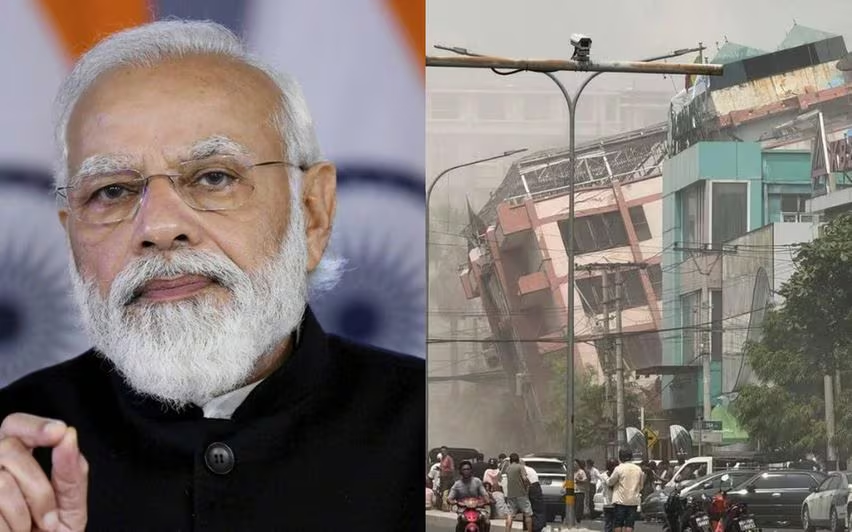
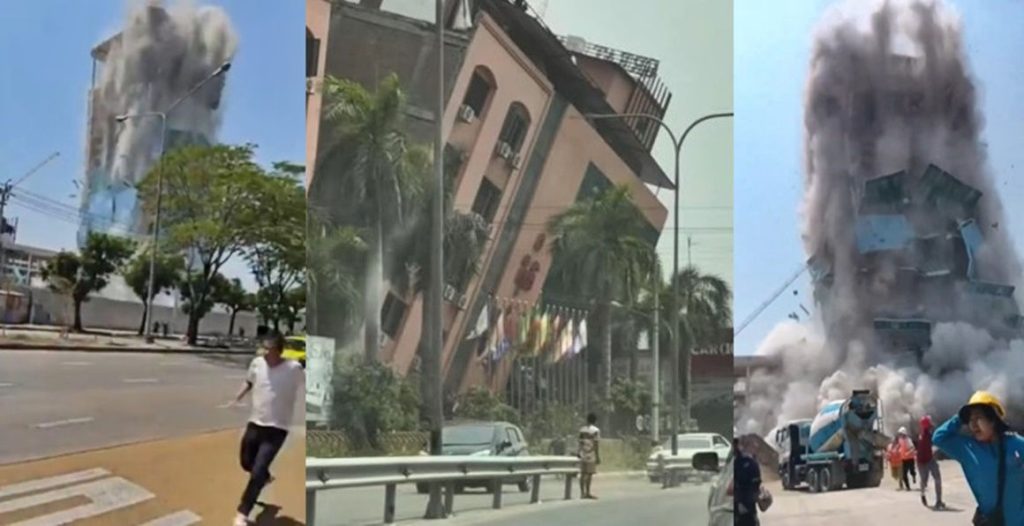
On March 25, 2025, Myanmar was struck by a powerful earthquake that caused widespread devastation across the country. The tremors were felt throughout Myanmar, and the consequences of the earthquake have been catastrophic. Thousands of lives have been lost, and many more have been injured or displaced. The country’s infrastructure, including homes, schools, and hospitals, has been severely damaged, leading to an ongoing humanitarian crisis.
In times of disaster, international support is crucial. One of the first nations to extend its condolences and offer help was India. Prime Minister Narendra Modi of India expressed deep concern over the loss of life and the destruction caused by the earthquake in Myanmar. His message of solidarity was a gesture of hope in the midst of despair. India’s prompt response, through both official statements and humanitarian aid, highlighted the close relationship between the two countries and the importance of regional cooperation in the face of natural disasters.
This blog seeks to explore the impact of the earthquake in Myanmar, the response of the Indian government, and the broader international efforts to aid those affected. We will examine the cause and consequences of the earthquake, the government’s efforts to manage the crisis, and the ongoing efforts for recovery and rehabilitation. Moreover, we will analyze the significance of international cooperation during such emergencies, particularly in the context of the relationship between India and Myanmar.
The Earthquake’s Impact on Myanmar
Myanmar, a country located in Southeast Asia, is no stranger to natural disasters. The country is situated in a seismically active region, where tectonic plates are constantly shifting. The earthquake that struck on March 25, 2025, was particularly powerful, registering a magnitude of 7.8 on the Richter scale. It hit central Myanmar, with the epicenter near the city of Mandalay. The tremors reverberated across the region, causing widespread destruction.
The earthquake’s impact on Myanmar was devastating. According to initial reports, more than 4,000 people were killed, and thousands more were injured. The destruction of infrastructure has been immense. Entire neighborhoods have been flattened, and many buildings, including government offices, schools, and hospitals, have been severely damaged. In addition to the immediate loss of life and injuries, the earthquake has displaced hundreds of thousands of people, forcing them to seek shelter in makeshift camps.
In rural areas, where the majority of the population lives, the damage has been even more profound. The earthquake destroyed agricultural fields, irrigation systems, and roads, making it difficult to deliver aid to remote communities. The loss of crops and livestock has further exacerbated the economic toll, pushing many families into deeper poverty and hunger.
The Myanmar government has been working tirelessly to manage the aftermath of the disaster. Local and international aid agencies have mobilized to provide emergency relief, including food, water, medical supplies, and shelter. However, the scale of the disaster has overwhelmed the country’s resources, and much more support is needed to ensure that the affected population receives the assistance they require.
Prime Minister Modi’s Condolences and Support for Myanmar
In the aftermath of the earthquake, one of the first world leaders to express concern and offer help was Indian Prime Minister Narendra Modi. As a neighboring country, India shares a long border with Myanmar, and the two nations have historically maintained a strong relationship. Prime Minister Modi’s response was immediate and heartfelt, signaling India’s commitment to providing assistance during this time of crisis.
In a tweet sent shortly after the earthquake, Prime Minister Modi expressed his sorrow over the loss of life and destruction caused by the earthquake in Myanmar. He wrote:
“Deeply saddened by the devastating earthquake in Myanmar. My thoughts are with the people of Myanmar as they cope with this tragedy. India stands ready to assist in every possible way. We are with you in this moment of grief.”
This message was not just a diplomatic gesture but also a reflection of the deep bonds between India and Myanmar. Over the years, the two countries have cooperated on various fronts, including trade, security, and cultural exchange. This cooperation has been particularly important in the context of regional stability and development.
Following the earthquake, India activated its disaster response mechanisms and pledged to send immediate humanitarian aid to Myanmar. India’s National Disaster Response Force (NDRF) was put on high alert, and teams were dispatched to Myanmar to assist with search and rescue operations. Additionally, India offered medical aid, including mobile hospitals and medical teams, to help those injured in the earthquake.
India also sent teams of engineers and disaster relief specialists to help with the reconstruction of critical infrastructure, including roads, bridges, and buildings. This was a demonstration of India’s commitment not only to providing immediate relief but also to assisting Myanmar in its long-term recovery.
The gesture of solidarity from Prime Minister Modi was widely appreciated in Myanmar, where the government and people expressed gratitude for India’s support. The close relationship between the two countries was further strengthened as Myanmar’s leaders acknowledged India’s efforts in helping them navigate through the crisis.
India-Myanmar Relations: A Foundation of Cooperation
India and Myanmar share a long history of cultural, economic, and political ties. The geographical proximity of the two countries, along with shared borders, has fostered strong people-to-people connections. The relationship between India and Myanmar has grown significantly over the past two decades, particularly under the leadership of Prime Minister Modi.
The bilateral relationship between India and Myanmar has been driven by several key factors:
- Security and Border Cooperation: India and Myanmar share a 1,640-kilometer-long border, and security cooperation is a critical aspect of their relationship. Both countries have collaborated in countering insurgent groups operating along the border and addressing cross-border security challenges. The two countries have worked closely on border management, intelligence sharing, and security issues to ensure peace and stability in the region.
- Trade and Economic Engagement: India is one of Myanmar’s largest trading partners, and both nations have sought to enhance bilateral trade and investment. India exports goods such as machinery, vehicles, and pharmaceuticals to Myanmar, while importing agricultural products and natural resources. In recent years, the two countries have explored avenues for further expanding their trade ties, including infrastructure development and energy cooperation.
- Cultural and People-to-People Ties: India and Myanmar share deep cultural and historical links. The Indian influence on Myanmar is evident in the country’s architecture, language, and traditions. Buddhist cultural ties between the two countries have been particularly significant. Many Myanmar citizens travel to India to visit sacred Buddhist sites, while India has supported the preservation of Myanmar’s cultural heritage.
- Development Assistance and Humanitarian Cooperation: India has been a significant contributor to Myanmar’s development, particularly in the areas of education, healthcare, and infrastructure. India has provided technical assistance for projects related to road construction, energy, and capacity building. During natural disasters, like the earthquake in 2025, India has been quick to offer assistance in the form of aid, relief materials, and expertise.
The earthquake of March 25, 2025, tested the strength of this relationship, and India’s swift response to the disaster reaffirmed the importance of cooperation between the two nations. Through this crisis, India has demonstrated its willingness to be a reliable and supportive partner in Myanmar’s time of need.
Global Solidarity in the Face of Natural Disasters
While India’s response to the Myanmar earthquake was swift and significant, the international community has also played an essential role in providing assistance. Global solidarity in times of natural disasters is crucial, as countries and organizations come together to offer support, resources, and expertise. In the case of Myanmar’s earthquake, various nations, including Japan, the United States, and China, have pledged assistance, offering financial aid, rescue teams, and supplies.
The United Nations and various humanitarian organizations have also been actively involved in the relief efforts. The United Nations Office for the Coordination of Humanitarian Affairs (OCHA) has been working closely with the Myanmar government and NGOs to assess the situation on the ground and coordinate relief efforts. The World Health Organization (WHO) has provided medical assistance and supplies to treat the injured, while the World Food Programme (WFP) has been delivering food and other essential supplies to affected areas.
In addition to material aid, the international community has also offered moral support. Leaders from around the world have sent messages of condolences and expressed solidarity with the people of Myanmar. This global outpouring of support is a testament to the importance of international cooperation in addressing the challenges posed by natural disasters.

The Road to Recovery: Challenges and Hope for the Future
As Myanmar begins the long journey of recovery and reconstruction, the challenges are immense. The immediate priority is to provide aid to those affected by the earthquake, including food, shelter, medical care, and psychological support. The scale of the destruction requires extensive efforts to rebuild homes, schools, and hospitals, as well as restore infrastructure such as roads and bridges.
In the long term, Myanmar will need international support to recover economically. The earthquake has caused significant damage to agriculture and industry, which will have a lasting impact on the country’s economy. The international community, including India, can play a key role in supporting Myanmar’s reconstruction efforts by providing financial assistance, technical expertise, and access to resources.
However, amid the challenges, there is hope. Myanmar has shown resilience in the past, and the support from both the government and international community provides a foundation for recovery. The solidarity shown by neighboring countries, including India, and the broader international community, offers a beacon of hope for the people of Myanmar.
Conclusion
The powerful earthquake in Myanmar has left the country reeling from the devastation, with thousands of lives lost and widespread destruction. In the face of this tragedy, the response from India, led by Prime Minister Narendra Modi, has been a testament to the strength of the bilateral relationship between the two nations. India’s swift and generous assistance highlights the importance of regional cooperation in disaster response and recovery.
The global solidarity shown by countries and organizations around the world underscores the collective responsibility to support those affected by natural disasters. As Myanmar begins the difficult process of recovery, it is clear that the road ahead will require sustained international collaboration and the resilience of the Myanmar people.
The earthquake has reminded us of the unpredictable and devastating nature of natural disasters, but it has also reaffirmed the power of human solidarity in times of crisis. Through continued support and cooperation, Myanmar will eventually rebuild, stronger and more united than ever.
read more latest news

