
After a Lengthy Court Case in the US, Google Agrees to Pay US President Donald Trump $24.5 Million
Introduction
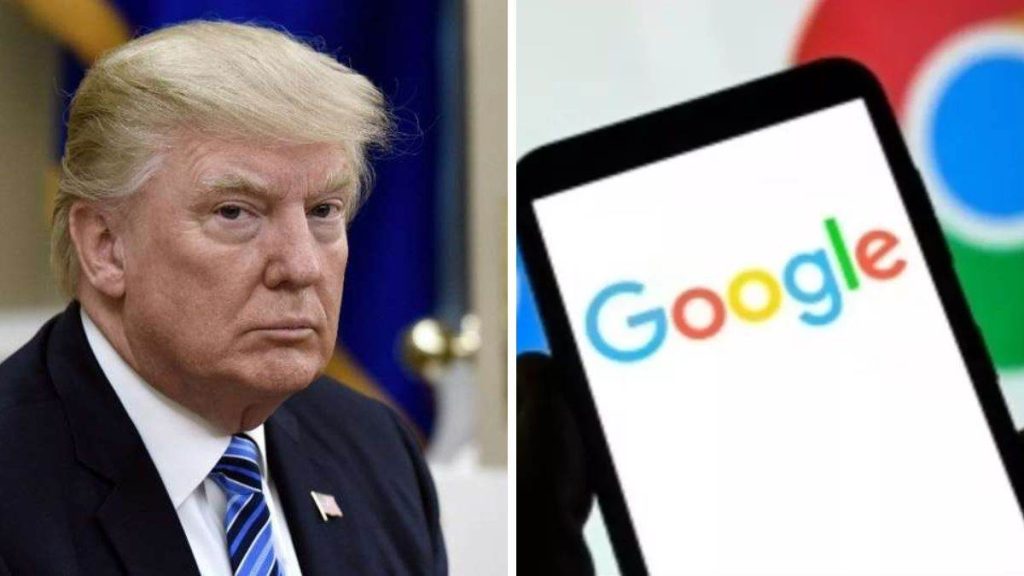
In a historic turn of events, Google has agreed to pay US President Donald Trump US$24.5 million (approximately ₹217 crore) after a lengthy court battle in the United States. The settlement, which comes after months of legal wrangling, has captured the attention of political circles, business communities, and digital rights activists across the globe.
The case, which revolved around allegations of bias, censorship, and the misuse of digital platforms, highlights the growing tension between Big Tech companies and political leaders. With this payout, Google has not only acknowledged the legal weight of Trump’s claims but also reignited debates on the power of Silicon Valley, the influence of social media on democracy, and the future of digital regulation.
In this comprehensive blog, we’ll break down the background of the case, why Trump sued Google, the court’s perspective, the implications of the $24.5 million settlement, and what this means for both American politics and global technology governance.
Background: Trump vs. Big Tech
Donald Trump’s relationship with Big Tech has always been controversial. Since his first presidential campaign in 2016, Trump has accused major platforms like Google, Facebook, and Twitter of unfairly targeting conservatives, manipulating search algorithms, and censoring political voices.
After his loss in the 2020 election, Trump intensified his criticism of Big Tech, alleging that biased platforms played a role in shaping public opinion against him. Although he returned to the White House in 2025, his feud with tech companies did not end. Instead, it escalated into formal legal action.
The Legal Battle
The Core Allegations
Trump’s legal team filed a case against Google, arguing that:
- Search Bias – Google’s algorithm allegedly down-ranked Trump-friendly news outlets while promoting liberal-leaning sources.
- Advertising Restrictions – Google Ads allegedly discriminated against Trump’s campaign during election periods.
- Defamation and Harm – Trump argued that Google’s search results often highlighted negative content about him, while suppressing positive coverage.
Court Proceedings
- The case dragged on for several months, with heated exchanges between Google’s lawyers and Trump’s legal team.
- Google initially argued that its algorithms were neutral and based on quality standards, not politics.
- However, court documents revealed internal communications suggesting concerns about political sensitivity in algorithm adjustments.
While the court did not issue a final ruling declaring Google guilty of political bias, it did acknowledge that Trump’s team had enough evidence to warrant a substantial settlement.
The Settlement: $24.5 Million (₹217 Crore)
After protracted negotiations, Google agreed to settle the case by paying US$24.5 million to Trump.
Why Google Settled
- Avoiding Prolonged Litigation – A drawn-out trial could have damaged Google’s global reputation.
- Political Climate – With Trump back in power, Google may have chosen to reduce tensions with the administration.
- Financial Practicality – For a company worth trillions, $24.5 million is not a massive sum, but it prevents larger penalties or stricter regulations.
Trump’s Reaction
Donald Trump celebrated the settlement as a “victory for free speech and fairness”. He declared that the payout was proof of Big Tech’s bias against him and promised to continue his fight to ensure that “Silicon Valley is held accountable.”
Political Implications
The settlement has immediate and long-term consequences for both American politics and the global tech industry.
For Trump
- Strengthens his image as a fighter against Big Tech monopolies.
- Provides financial and symbolic victory during his presidency.
- Allows him to position himself as the voice of conservatives silenced online.
For Google
- Raises questions about its algorithm transparency.
- Sets a precedent for other lawsuits from politicians and organizations.
- Forces the company to adopt more cautious practices in election-related activities.
For US Politics
- Sparks debates in Congress about regulating Big Tech.
- Could trigger bipartisan support for stricter digital transparency laws.
- Influences how upcoming elections will be contested online.
Reactions from Different Quarters
Media
The media has been divided, with right-leaning outlets celebrating Trump’s win as proof of Big Tech bias, while liberal-leaning outlets call it a “symbolic settlement” without real accountability.
Public
- Trump supporters: See it as validation of their long-standing claims of censorship.
- Critics: Argue that the settlement is small compared to Google’s wealth and doesn’t change systemic issues.
Tech Industry
Other companies like Meta, X (formerly Twitter), and Amazon are closely watching the outcome. They fear that similar lawsuits could follow, forcing them to rethink content moderation policies.
Global Significance
This case is not just about the US. It has global implications:
- Digital Regulation – Other countries may follow suit, demanding more accountability from tech giants.
- Free Speech Debates – Raises questions about who decides what content is visible online.
- India and Other Democracies – Countries like India, which already have tensions with platforms over content regulation, may cite this case as a precedent.
Comparison with Other Big Tech Lawsuits
This isn’t the first time Big Tech companies have faced legal action:
- Facebook (Meta): Fined billions for data privacy violations.
- Twitter/X: Faced lawsuits over free speech and misinformation.
- Amazon: Investigated for monopoly practices.
But what makes this case unique is that a sitting US President has received a direct payout from a tech giant, highlighting the scale of the power struggle.
Trump’s Strategy Going Forward
Trump has already hinted that this is not the end of his battle with Big Tech. His administration may push for:
- Reforms to Section 230 – The US law that protects platforms from liability for user content.
- Algorithm Transparency – Forcing companies to disclose how search rankings work.
- Stricter Oversight – Introducing government panels to regulate tech practices during elections.
This could reshape the way digital platforms operate not only in America but also worldwide.
Critics’ Perspective
Not everyone is convinced that Trump’s legal victory is a win for democracy. Critics argue:
- The settlement doesn’t necessarily prove Google was guilty of bias.
- It could embolden political leaders worldwide to pressure tech companies into compliance.
- Instead of strengthening free speech, it may politicize digital platforms even further.
Economic Perspective
$24.5 million may sound like a massive payout, but for Google, it’s a relatively small amount considering its annual revenue exceeds US$300 billion.
- For Trump, however, it’s not about the money—it’s about symbolism.
- For investors, this case raises concerns about potential regulatory risks in the future.
The Road Ahead for Google
Google will likely take steps to avoid further controversies:
- Reviewing Political Ads Policies.
- Enhancing Transparency in Algorithms.
- Expanding Lobbying Efforts in Washington to prevent harsher regulations.
But the biggest challenge will be regaining public trust, especially among conservatives who believe the company operates with ideological bias.
Lessons for Other Nations
For countries like India, Brazil, and the European Union, where Big Tech is already under scrutiny, this case offers key takeaways:
- Tech giants are not untouchable—they can be held accountable.
- Political leaders may use courts to shape the digital space.
- There is a need for balanced regulation to protect both free speech and prevent misinformation.
Conclusion
The settlement between Google and US President Donald Trump, worth US$24.5 million (₹217 crore), is not just a financial transaction—it is a moment that encapsulates the growing clash between political power and digital power.
For Trump, it is a symbolic triumph over a tech giant he has long accused of bias. For Google, it is a reminder that its influence comes with accountability. For the world, it signals the dawn of a new era where the relationship between politics and technology will define the future of democracy.
The dust has not settled yet. What comes next—whether tighter regulations, more lawsuits, or a new digital order—will depend on how governments, corporations, and citizens choose to navigate this delicate balance of power between technology and democracy.
Read More latest news

