
Introduction
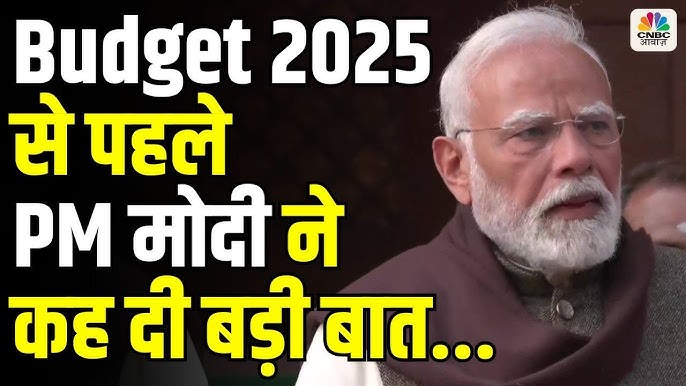
Parliament Session Prime Minister Narendra Modi‘s recent remarks ahead of the Budget Session have sparked intense political debate. His statement that this is the “first Parliament session without foreign interference” has been interpreted as a sharp jibe at the opposition, setting the stage for a politically charged session. With the upcoming general elections and economic policies under scrutiny, this Budget Session is expected to be crucial in shaping India’s future trajectory.
This blog explores PM Modi’s remarks, the significance of foreign interference in Indian politics, and how the Budget Session could unfold amidst these tensions.
Parliament Session PM Modi’s Statement: A Political Masterstroke?
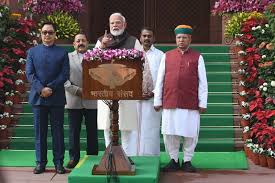
During his address before the Budget Session, PM Modi made a pointed remark:
“This will be the first Parliament session without foreign interference.”
While he did not specify which country or incident he was referring to, political analysts suggest that he was hinting at allegations that foreign entities or influences have been involved in India’s internal political discourse. The remark, made just before the budget presentation, aims to set the tone for a nationalist and independent legislative session.
Why This Statement Matters
- Nationalism as a Political Strategy: PM Modi and the BJP have frequently emphasized the theme of national sovereignty and self-reliance, using it as an electoral strategy.
- Targeting the Opposition: The remark could be an indirect attack on the opposition parties, some of whom have been accused of engaging with foreign think tanks or figures to discuss Indian democracy.
- Election-Year Positioning: With general elections approaching, this statement reinforces the BJP’s stance on external forces trying to “destabilize” India.
- Parliamentary Sovereignty: The statement also reflects concerns about foreign narratives influencing domestic policy debates.
Foreign Influence in Indian Politics: A Historical Perspective
The idea of foreign interference in Indian politics is not new. Various events in the past have raised concerns about external influences shaping internal discourse:
- Cold War Era: India maintained a non-aligned stance, but both the USA and USSR attempted to influence Indian policy decisions.
- NGO Regulations: The Indian government has placed restrictions on foreign-funded NGOs, alleging interference in domestic policies.
- Recent Controversies: Allegations of foreign media and think tanks influencing Indian elections and policymaking have surfaced in recent years.
Parliament Session PM Modi’s statement fits into this broader context, reinforcing the government’s stance that India’s governance should remain free from external pressures.
The Budget Session: Key Issues & Expectations
The Budget Session is one of the most critical periods for policymaking in India. This year, it holds even more significance due to the approaching general elections and economic challenges.
Key Agendas for the Budget Session
- Union Budget 2024-25: Finance Minister Nirmala Sitharaman is expected to present a budget that balances welfare schemes and economic growth.
- Foreign Policy & Trade: With global economic uncertainty, discussions on trade relations and economic resilience will be key.
- Opposition’s Strategy: The opposition is likely to challenge the government on issues like inflation, unemployment, and governance.
- Reforms & Policy Announcements: Sectors like infrastructure, agriculture, and technology are expected to receive significant attention.
- Election-Year Focus: The ruling party is likely to introduce populist measures to strengthen its electoral prospects.
Political Reactions to PM Modi’s Remark
Opposition’s Response
Parliament Session Several opposition leaders have criticized PM Modi’s statement, arguing that it is a diversionary tactic:
- Congress: Accused the BJP of using nationalism to deflect from pressing domestic issues.
- AAP & TMC: Called for transparency and demanded the government specify instances of foreign interference.
- Left Parties: Highlighted that global interactions are necessary in a globalized world.
BJP’s Justification
The BJP has defended PM Modi’s remarks, stating that they reflect:
- A commitment to national sovereignty.
- Concerns about “foreign lobbies” influencing Indian democracy.
- A push for “India-first” policymaking in the Budget Session.
What This Means for Indian Democracy
Parliament Session PM Modi’s statement before the Budget Session is not just a political jibe but a reflection of broader concerns about external influences on Indian politics. Whether one views it as a necessary stance for national security or a mere electoral strategy, it undeniably sets the stage for a high-stakes session in Parliament.
As the Budget Session unfolds, all eyes will be on how these narratives shape policy discussions and electoral strategies in the run-up to the 2024 general elections.
Conclusion
PM Modi’s remark about foreign interference adds another layer of complexity to an already significant Budget Session. With economic policies, electoral strategies, and nationalist sentiments all in play, the coming weeks will be crucial in determining India’s legislative direction and political landscape.
Stay tuned for more updates on the Budget Session and political developments!
Read More latest News

