EPFO’s Big Decision: Now Full PF Withdrawal Will Be Allowed After 12 Months, Not 2
Introduction
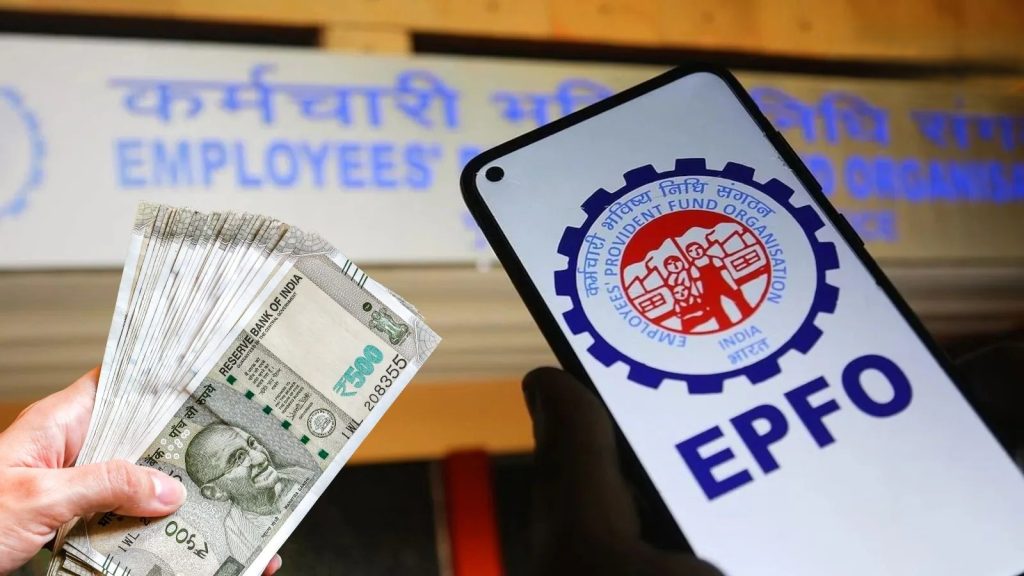
The Employees’ Provident Fund Organisation (EPFO) has announced a major policy shift that affects millions of salaried employees across India. Until now, if a person left their job or became unemployed, they could withdraw their entire Provident Fund (PF) balance after just two months. But under the new rule, the complete withdrawal of PF money will only be permitted after 12 months of unemployment.
This change is not a small procedural tweak — it completely transforms how employees access their savings in times of job loss. While EPFO claims this reform will strengthen long-term financial security and reduce premature withdrawals, many employees are anxious about how it will affect them during unemployment or financial distress.
Let’s take a detailed look at what has changed, why EPFO has made this decision, what it means for workers, and how it could reshape India’s social security system in the coming years.
What Was the Old Rule?
Until now, EPFO members who lost or left their jobs could:
- Withdraw 75% of their PF money balance after being unemployed for one month, and
- Withdraw the remaining 25% — that is, the full balance — after two months of continued unemployment.
This two-month rule provided quick relief to those who suddenly found themselves without an income. Whether someone was laid off, resigned, or had a gap between jobs, the ability to withdraw PF money within a short time acted as an important financial cushion.
It was especially useful for contractual workers, people in the private sector, and employees in industries with high turnover.
What Has Changed Now?
The EPFO’s latest circular introduces several key changes — the biggest being the extension of the waiting period for full withdrawal from two months to twelve months.
Here are the main points of the new rule:
- An employee who loses their job or remains unemployed can withdraw their entire PF money corpus only after 12 months of continuous unemployment.
- They can still make partial withdrawals during this 12-month period for specific needs such as medical treatment, housing, marriage, or education.
- However, EPFO has now simplified the withdrawal process by merging 13 different withdrawal categories into just three: Essential Needs, Housing, and Special Circumstances.
- A member must keep at least 25% of their accumulated PF money balance in the account. This balance will continue to earn interest.
- The rules for pension withdrawal (EPS) have also changed — full withdrawal of pension funds will be allowed only after 36 months of unemployment.
- The minimum service condition for any type of withdrawal has been made uniform — at least 12 months of service.
- EPFO is introducing auto-settlement of claims to speed up disbursement and reduce paperwork.
In simple terms, this means that if an employee leaves their job, they will have to wait for one full year before taking out the entire PF money amount.
Why Has EPFO Made This Change?
Whenever a policy changes, it is natural to ask: what’s the logic behind it? The government and EPFO have cited several reasons for this reform.
1. To Protect the Retirement Corpus
EPFO was designed primarily as a retirement savings scheme — not as a short-term emergency fund. But over the years, many people treated their PF accounts like savings accounts, withdrawing funds frequently whenever they changed jobs.
This habit prevented the corpus from growing significantly, and many employees reached retirement age with very little left in their PF. By introducing a longer waiting period, EPFO hopes to discourage early withdrawals and ensure that more people preserve their PF for their old age.
2. To Ensure Members Earn More Interest
EPF accounts earn an annual interest rate of around 8.25%. The longer your money stays in the account, the more it grows through compound interest. By keeping funds locked for 12 months after unemployment, EPFO ensures members continue earning interest rather than withdrawing the amount prematurely.
3. To Reduce Frequent Withdrawals and Administrative Burden
EPFO manages more than 30 crore accounts. Each time an employee leaves a job and withdraws PF, the system has to process new claims, which creates massive administrative load. Delaying full withdrawals will reduce churn in the system and help EPFO manage funds more efficiently.
4. To Promote Long-Term Financial Discipline
Many financial experts argue that Indians tend to liquidate their long-term savings too quickly, leaving them financially insecure later. The new rule may push people to treat PF as a long-term investment, rather than a short-term relief fund.
5. To Modernise and Simplify Withdrawal Rules
EPFO has clubbed 13 categories of withdrawal into 3 simple groups, making it easier for members to understand and use. The new “auto-settlement” process and reduced documentation are aimed at making withdrawals faster and more transparent, even if full settlement is delayed.

Benefits of the New Rule
Despite the controversy, the decision has some clear benefits.
1. Retirement Savings Will Be Preserved
This change will help employees maintain a significant amount for their retirement. Many members used to withdraw PF entirely after every job change, leaving nothing for later years. Now, with the 12-month restriction, a substantial portion will remain invested.
2. Interest Income Will Increase
Since the PF balance will stay in the account longer, it will earn more interest. Over the years, this compounding effect can add lakhs of rupees to an individual’s savings.
3. Reduces Fragmentation of Accounts
Earlier, every time an employee changed jobs, they often opened a new PF account and withdrew the previous balance. This led to multiple small accounts and confusion. By discouraging premature withdrawals, the rule will encourage employees to continue under one Universal Account Number (UAN).
4. Strengthens EPFO’s Financial Stability
When people withdraw funds frequently, EPFO faces liquidity pressure and must constantly adjust its investments. Longer retention of funds improves EPFO’s ability to manage the corpus and generate better returns for all members.
5. Encourages Responsible Use of Partial Withdrawals
Since members can still withdraw for genuine needs like education or medical treatment, the system becomes more balanced — providing flexibility while still preserving a core retirement corpus.
Drawbacks and Concerns
However, not all reactions to this reform have been positive. Many workers and experts have expressed serious concerns.
1. Hardship for Unemployed Workers
The biggest criticism is that this rule hurts people when they are most vulnerable — right after losing a job. In such moments, access to one’s PF can be crucial for paying rent, school fees, or medical bills. A 12-month waiting period could make unemployment even more stressful.
2. Partial Withdrawals May Not Be Enough
Although EPFO has simplified partial withdrawal rules, there are still limits. Members must maintain at least 25% of their balance. For people with small PF accounts, the withdrawable portion may not cover large emergencies.
3. Delayed Relief in a Weak Job Market
In today’s economy, layoffs are common in sectors like IT, startups, and manufacturing. Many professionals experience long gaps between jobs. Waiting 12 months for full access could worsen financial instability.
4. Impact on Entrepreneurs and Migrants
People who leave jobs to start their own businesses, or those who are moving abroad, often rely on PF savings as seed money. Now, they’ll have to wait a full year — which can disrupt business plans or relocation timelines.
5. Lack of Flexibility for Low-Income Workers
For contractual or daily-wage employees, PF often serves as their only savings. Restricting access for a year could make their financial survival difficult during unemployment.
6. Confusion About “Eligible Balance” and Timelines
Many members are confused about terms like “eligible balance,” “minimum 25% retention,” and “12-month vs 36-month waiting period.” Without clear communication, these rules could lead to misunderstanding and errors in withdrawal requests.
How the New Rule Affects Different Categories of Employees
1. Young Workers
For new entrants in the workforce, this rule can actually be beneficial in the long term. It will prevent them from cashing out early and help build a strong retirement fund. However, if they face unemployment early in their career, the waiting period could create short-term hardship.
2. Mid-Career Professionals
This group may not feel much impact unless they experience layoffs or plan to take a career break. However, it will push them to build other forms of savings and not depend solely on PF for emergencies.
3. Senior Employees Nearing Retirement
For those nearing retirement, the rule won’t make a big difference since they’ll likely stay employed until the end. But it reinforces the idea that PF is primarily a retirement fund.
4. Contract and Gig Workers
This category could be the worst affected. Their employment is often seasonal or short-term. With frequent gaps, they may find it difficult to access their funds fully under the new rule.
5. Entrepreneurs and Freelancers
People leaving jobs to start new ventures will have to plan finances more carefully, as they can no longer rely on PF as quick capital.
6. Employees Moving Abroad
Those settling abroad or joining foreign employers will need to adjust their timelines. They might have to maintain their PF accounts in India longer or explore partial withdrawal options.
What You Can Do Under the New Rule
If you are an EPFO member, here’s how you can plan better under this new system.
1. Keep Your PF Account Active
Even if you switch jobs, link your new employer to your existing Universal Account Number (UAN). Avoid creating multiple accounts. This ensures seamless continuity of your savings.
2. Use Partial Withdrawals Wisely
Partial withdrawals are still allowed for:
- Medical treatment of self or dependents
- Marriage or education of self, siblings, or children
- Buying or constructing a house
- Natural calamities or other special circumstances
Use this option only for genuine needs so that you maintain your long-term savings.
3. Build an Emergency Fund Outside PF
Since PF can’t be accessed for 12 months after unemployment, it’s essential to maintain a personal emergency fund — ideally enough to cover 6 to 12 months of expenses. Keep this fund in a savings or liquid mutual fund account.
4. Keep Your KYC Updated
Make sure your Aadhaar, PAN, and bank account details are correctly linked with your UAN. This will help you take advantage of auto-settlement and faster claim processing.
5. Track Interest and Balance Regularly
Check your passbook regularly through the EPFO portal or mobile app. Ensure that your employer deposits contributions on time, and monitor how your balance grows over time.
6. Plan Job Transitions in Advance
If you’re planning to quit your job, try to line up another opportunity or ensure you have sufficient non-PF savings to cover your expenses until you’re eligible for withdrawal.
7. Stay Informed
Rules can evolve, especially if there is strong public reaction. Keep an eye on official EPFO announcements to stay updated about any relaxations or changes.
The Bigger Picture: Social Security and Economic Behavior
This decision reflects a broader policy shift in India’s approach to social security. The government wants citizens to rely less on immediate withdrawals and more on structured, long-term savings. It aligns with the vision of a financially secure workforce and reduced dependence on welfare schemes post-retirement.
However, India’s job market is still volatile, and social safety nets beyond PF — such as unemployment insurance or universal healthcare — remain limited. In such a context, restricting access to PF can seem harsh.
The ideal approach might be a balanced one: ensuring financial discipline while giving employees enough flexibility during genuine crises.
Public Reaction
Initial reactions have been mixed. Financial experts have praised the move as a step toward creating a true pension culture in India. They argue that millions of workers retire with insufficient savings, and this change will encourage long-term thinking.
On the other hand, employee unions and labour rights activists have criticised the rule for being insensitive to unemployed workers’ needs. They argue that the government cannot expect citizens to lock up their money when inflation and job insecurity are rising.
Some have demanded that EPFO introduce an exception clause — allowing faster withdrawal in cases like layoffs, medical emergencies, or migration.
Possible Future Developments
There is a strong possibility that EPFO may refine the rule after reviewing its impact. The government could consider:
- Allowing exceptions for specific hardships or sectors.
- Reducing the waiting period from 12 months to 6 months in certain cases.
- Increasing the flexibility of partial withdrawals beyond the current 75-25 structure.
- Enhancing awareness campaigns so workers understand the benefits and processes clearly.
Much will depend on how smoothly EPFO implements the new system and how the public responds over the next year.
Conclusion
The EPFO’s decision to extend the waiting period for full PF withdrawal from 2 months to 12 months marks a turning point in India’s labour and financial policy. It redefines the Provident Fund from a quick-access safety net to a long-term financial shield.
For the government and EPFO, this change promises more stability, reduced administrative load, and healthier retirement savings for citizens. For employees, however, it introduces a new challenge — managing financial emergencies without quick access to their own savings.
Whether this rule proves beneficial or burdensome will depend largely on how individuals adapt. Workers will now need to cultivate new habits: saving separately for emergencies, maintaining proper documentation, and planning career breaks or transitions well in advance.
If EPFO ensures that partial withdrawals are processed quickly, interest rates remain attractive, and digital systems stay smooth, this reform could indeed transform India’s social security framework for the better. But if bureaucracy and delays persist, it could also become a source of frustration and financial hardship for millions.
In any case, one thing is certain — this 12-month rule will change the way Indian employees think about their PF forever. It marks the beginning of a new era of disciplined, interest-earning, and long-term savings — but also demands greater planning and responsibility from every member of the Indian workforce.
Read more latest news