
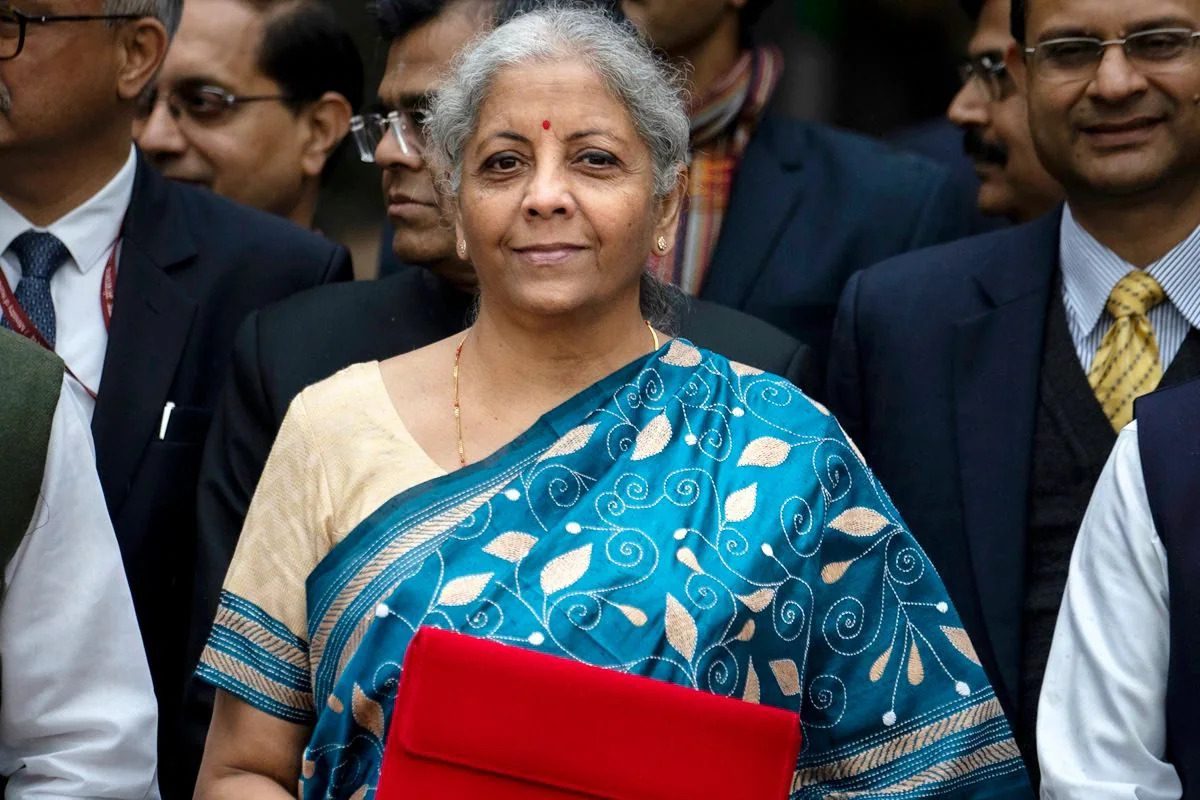
Parliament’s Budget Session 2025: Key Highlights and Expectations
The Budget Session of Parliament, one of the most significant events in India’s legislative calendar, is set to commence on January 31 and conclude on February 13, 2025. This session holds paramount importance as it lays the foundation for the nation’s economic and developmental trajectory in the upcoming financial year. Here, we explore the critical aspects of the Budget Session, what to expect, and its potential impact on India’s socio-economic landscape.
Parliament What Is the Budget Session?
The Budget Session is a two-part session of Parliament where the Union Budget is presented and crucial discussions on policies, plans, and allocations take place. It is typically divided into two phases:
- The Presidential Address: The session traditionally begins with the President of India addressing both Houses of Parliament, outlining the government’s vision and agenda for the year.
- The Budget Presentation: The Finance Minister presents the Union Budget, detailing revenue generation strategies, expenditure plans, and the government’s fiscal priorities.
The session also includes debates, discussions, and voting on the budget proposals, making it a cornerstone of India’s democratic process.
Parliament The Significance of the Budget Session 2025
- Economic Recovery Post-COVID-19:
- While the global economy is on the path to recovery, challenges like inflation, unemployment, and supply chain disruptions remain. The government’s policies in this session will likely focus on addressing these issues.
- Global Geopolitical Tensions:
- With ongoing geopolitical tensions and their impact on trade and energy prices, the session will highlight India’s strategies to safeguard its economic interests.
- General Elections Ahead:
- The session assumes political importance as it precedes the 2024 General Elections. The government is expected to prioritize policies that resonate with voters.
Parliament What to Expect in the Budget Session 2025?
- Focus on Infrastructure Development:
- Emphasis on improving connectivity through road, rail, and port projects.
- Increased allocation for housing and urban development.
- Agriculture and Rural Development:
- Policies to support farmers through better Minimum Support Price (MSP) mechanisms.
- Strengthening rural employment schemes like MGNREGA.
- Healthcare and Education:
- Expansion of healthcare infrastructure and resources post-pandemic.
- Enhancing digital education and skill development initiatives.
- Taxation Policies:
- Possible revisions in personal and corporate income tax slabs.
- Measures to streamline the Goods and Services Tax (GST) system.
- Green Energy and Sustainability:
- Incentives for renewable energy projects and electric vehicles.
- Policies aligned with India’s net-zero emissions target by 2070.

Parliament Challenges and Controversies
- Opposition’s Role:
- The opposition is likely to question the government on unemployment, inflation, and governance issues.
- Contentious Bills:
- Debates on controversial bills, such as those related to labor reforms or data privacy, might dominate the session.
- Fiscal Deficit Concerns:
- Managing fiscal deficit while balancing welfare spending and infrastructure investment will be a key challenge for the government.
Parliament The President’s Address: Setting the Tone
The session will open with the President’s address to a joint sitting of the Lok Sabha and Rajya Sabha. This speech will highlight the government’s achievements over the past year and its vision for the future. Key themes could include:
- Strengthening India’s position as a global leader.
- Commitment to inclusive growth.
- Promoting self-reliance (Aatmanirbhar Bharat).
Parliament Union Budget 2025-26: Key Announcements to Watch Out For
- Sector-Wise Allocation:
- Increased spending on defense, healthcare, and education.
- Special focus on sectors like IT, manufacturing, and tourism.
- Relief for Taxpayers:
- Possible tax exemptions or relief measures for the middle class.
- Reforms in indirect taxation to ease the compliance burden.
- Boost for Startups:
- Incentives and funding for startups and MSMEs.
- Policies to promote innovation and entrepreneurship.
Impact on Key Stakeholders
- Common Citizens:
- How will tax reforms affect disposable income?
- Policies to control inflation and reduce the cost of living.
- Industries and Businesses:
- Measures to promote industrial growth and exports.
- Incentives for sustainable business practices.
- Farmers and Rural Populations:
- Enhanced support for agriculture and rural welfare programs.
Legislative Agenda for the Session
- Pending Bills:
- Data Protection Bill.
- Uniform Civil Code Bill.
- Electoral Reforms Bill.
- New Bills:
- Focus on digital governance and cybersecurity.
- Proposals for labor welfare and employment generation.
Role of Parliamentary Committees
The Budget Session will see extensive discussions in parliamentary committees, which play a crucial role in scrutinizing policies and ensuring accountability. Key committees include:
- Finance Committee.
- Agriculture and Rural Development Committee.
- Energy and Environment Committee.
Historical Perspective: Budget Sessions in India
A brief look at how previous Budget Sessions have shaped India’s policies and economy:
- The introduction of GST in 2017.
- Economic reforms of the 1990s.
- The Green Revolution’s emphasis in the 1970s.
Public Expectations
As the Budget Session approaches, citizens anticipate measures to:
- Reduce inflation and improve living standards.
- Create job opportunities, especially for youth.
- Address social inequality through targeted welfare programs.
Conclusion
The Budget Session of 2025 is poised to be a defining moment for India as it navigates a complex landscape of economic, social, and political challenges. By focusing on inclusive growth, fiscal responsibility, and sustainable development, the government has the opportunity to lay a strong foundation for the country’s future.
Stay tuned as the session unfolds, shaping policies that impact every Indian citizen.
Read more Latest News

