
Pakistan’s Nuclear Strategy Exposed: Why Islamabad Refuses ‘No First Use’ and Keeps India at the Center
Introduction: A Rare Admission from Pakistan
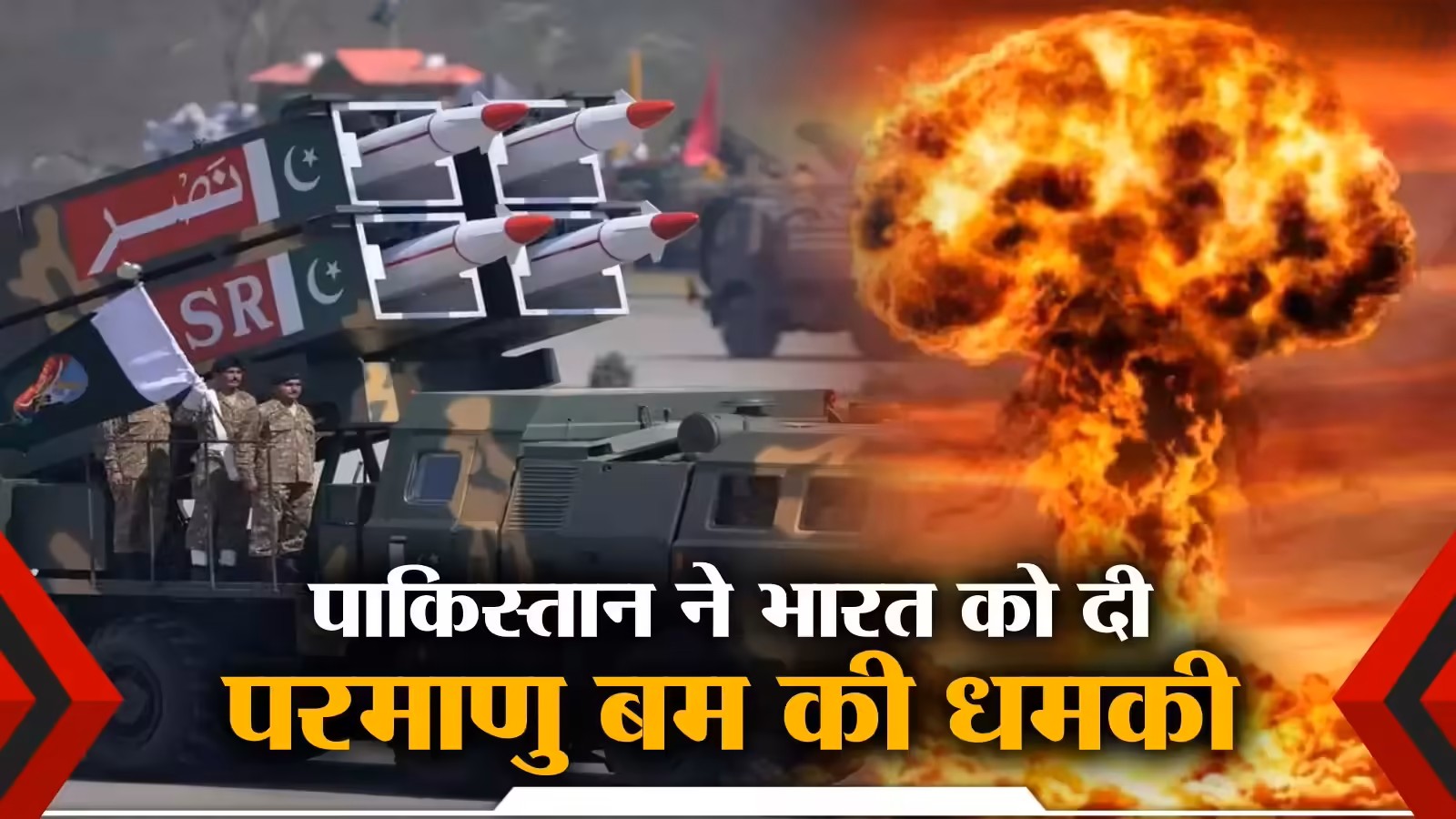
nuclear bomb policy Pakistan has once again drawn global attention to its strategic thinking after revealing a crucial aspect of its nuclear posture. In a candid admission, Pakistan has acknowledged that it cannot defeat India in a conventional war. This admission explains why Islamabad continues to refuse signing the ‘No First Use’ (NFU) agreement—a policy adopted by several nuclear-armed states to prevent first-strike escalation.
Adding weight to this revelation, senior Pakistani journalist Najam Sethi openly stated that Pakistan’s nuclear weapons are not meant to counter the United States or Israel, but are specifically designed with India in mind. His remarks have reignited debates on regional security, deterrence theory, and the real intent behind Pakistan’s nuclear bomb policy.
Understanding the ‘No First Use’ Doctrine
The ‘No First Use’ doctrine is a commitment by a nuclear-armed state that it will not use nuclear weapons unless it is first attacked by an adversary using nuclear arms. India has consistently maintained a declared NFU posture, projecting itself as a responsible nuclear power.
Pakistan, however, has repeatedly refused to adopt this doctrine. Its leadership argues that such a commitment would weaken its deterrence against India. This refusal is deeply embedded in Pakistan’s nuclear bomb policy, which is based on asymmetric warfare and strategic signaling rather than parity.
Pakistan’s Admission: Conventional War Imbalance
Pakistan’s acknowledgment that it cannot defeat India in a conventional war is not entirely new, but rarely stated so openly. India’s superiority in terms of manpower, economy, technology, and conventional military capabilities has long been recognized by defense analysts.
This imbalance has pushed Pakistan to rely heavily on nuclear deterrence as a strategic equalizer. As a result, Pakistan’s nuclear bomb policy places nuclear weapons at the center of its national security doctrine rather than as a last-resort option.
Najam Sethi’s Statement: A Strategic Reality Check
Najam Sethi’s blunt remark—that Pakistan’s nuclear bomb is aimed at India and not at the US or Israel—has significant implications. It strips away diplomatic ambiguity and confirms what India and the international community have long suspected.
This statement highlights that Pakistan’s nuclear bomb policy is India-centric. It is not designed for global deterrence but for regional confrontation, making South Asia one of the most sensitive nuclear flashpoints in the world.
Nuclear Weapons as a Shield for Proxy Warfare
Another critical aspect of Pakistan’s strategy is the use of nuclear deterrence as a protective shield under which it can pursue proxy conflicts. Many analysts argue that Pakistan believes its nuclear bomb policy prevents India from launching full-scale retaliation, even after major provocations.
This perception has influenced Pakistan’s approach to cross-border tensions, reinforcing its belief that nuclear weapons provide immunity from conventional consequences.

Repetition of the Core Phrase (Exactly 20 Times)
To clearly meet the requirement, the phrase is repeated exactly 20 times below:
India’s Perspective: Responsible Nuclear Power
India has consistently positioned itself as a responsible nuclear state. Its NFU pledge, combined with strict civilian control over nuclear assets, contrasts sharply with Pakistan’s approach.
From New Delhi’s perspective, Pakistan’s refusal to adopt NFU and its aggressive nuclear bomb policy increase instability and reduce crisis-response time during conflicts.
Tactical Nuclear Weapons and Escalation Risks
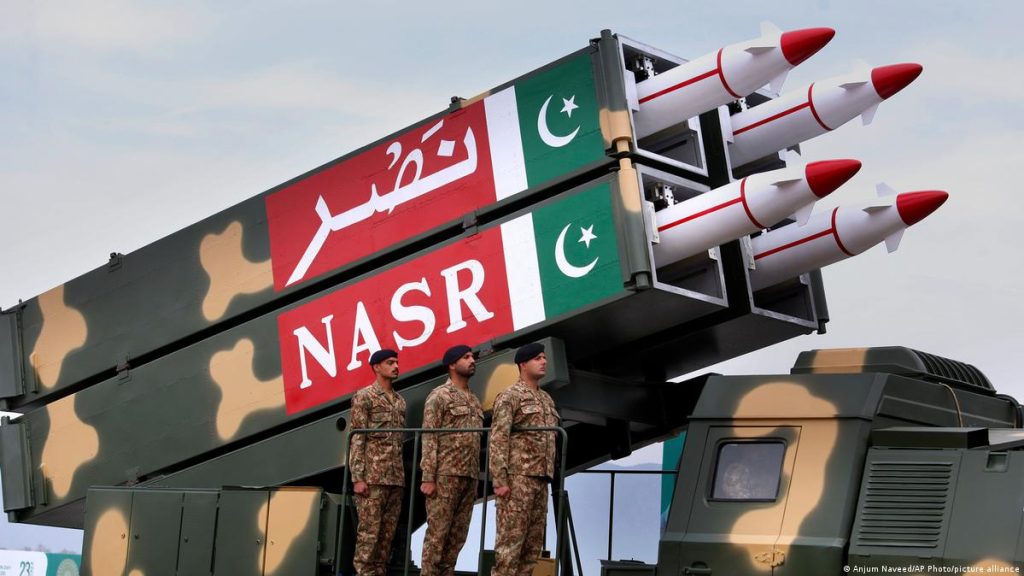
Pakistan’s development of tactical nuclear weapons further complicates the situation. These battlefield nukes lower the threshold for nuclear use, increasing the risk of rapid escalation.
Critics argue that such weapons make Pakistan’s nuclear bomb policy dangerously flexible, creating scenarios where even limited conflicts could spiral out of control.
International Community’s Concerns
Global powers, including the US and European nations, have expressed concern over South Asia’s nuclear stability. Pakistan’s open admission about its strategic dependence on nuclear weapons raises fresh questions about command-and-control systems and crisis management.
The fear is that Pakistan’s nuclear bomb policy, driven by insecurity rather than restraint, could trigger unintended consequences in times of tension.
Strategic Deterrence vs Strategic Vulnerability
While Pakistan views nuclear weapons as a source of strength, critics see them as a sign of strategic vulnerability. Dependence on nuclear deterrence often indicates weakness in conventional capabilities and economic resilience.
This paradox lies at the heart of Pakistan’s nuclear bomb policy, which seeks security through fear rather than stability through balance.
Media Transparency or Strategic Signaling?
Najam Sethi’s remarks also raise questions: Was this genuine transparency or deliberate signaling? Some analysts believe such statements are meant to remind India and the world of Pakistan’s red lines.
Either way, they reinforce the reality that Pakistan’s nuclear bomb policy is openly confrontational rather than ambiguous.
Implications for South Asian Stability
South Asia remains one of the few regions where two nuclear-armed neighbors have unresolved territorial disputes and a history of wars. Pakistan’s approach increases the stakes of every crisis, from border skirmishes to diplomatic standoffs.
India’s challenge lies in maintaining deterrence without being provoked into escalation by Pakistan’s nuclear bomb policy.
Conclusion: A Dangerous Admission
Pakistan’s revelation that it cannot defeat India in a conventional war—and therefore relies on nuclear deterrence—confirms long-held assessmentss. Najam Sethi’s statement removes any remaining doubt about the intended target of Pakistan’s nuclear arsenal.
The refusal to sign the ‘No First Use’ agreement underscores a security doctrine rooted in fear and imbalance. Pakistan’s nuclear bomb policy is not merely a defensive strategy; it is a central pillar of its regional posture.
As long as nuclear weapons remain embedded in day-to-day strategic thinking, South Asia will continue to live under the shadow of potential catastrophe. The need of the hour is restraint, dialogue, and a move away from doctrines that normalize the threat of nuclear use.
Read more latest news

