
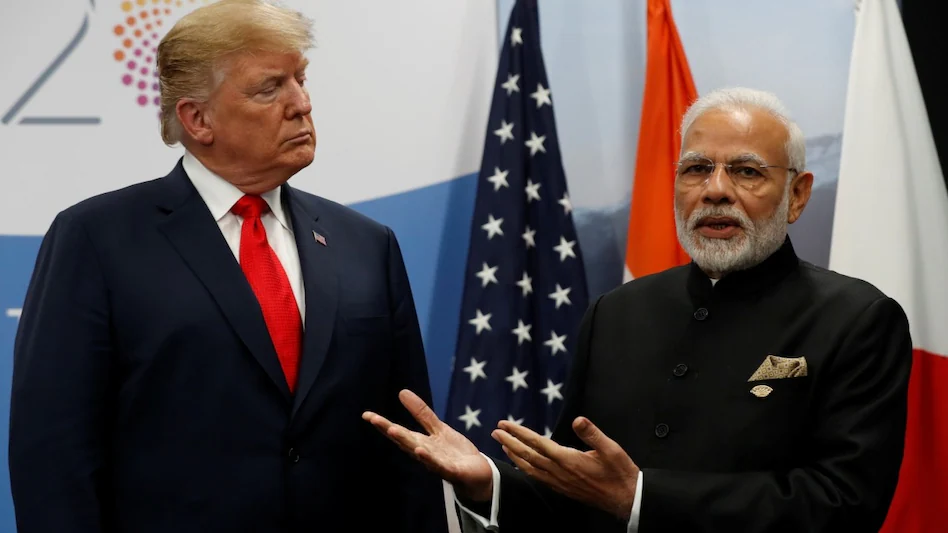
India–US Trade Deal Talks Delayed Again Amid Trump’s Tough Stand on Global Tariffs
tariffs against Iran, Negotiations on a long-awaited trade deal between India and the United States have once again been delayed, raising fresh concerns among policymakers, businesses, and global investors. This significant development comes at a time when US President Donald Trump has renewed his aggressive trade posture by threatening new tariffs against Iran, signaling a broader shift toward protectionism and economic pressure as tools of foreign policy.
The delay in India–US trade talks is not an isolated incident. Instead, it reflects a complex intersection of geopolitical tensions, domestic political priorities, and evolving global trade dynamics. With Washington focusing on tariffs against Iran, the ripple effects are being felt far beyond the Middle East, impacting strategic partners like India as well.
Background of the India US Trade Negotiations
India and the United States have been engaged in trade negotiations for several years, aiming to resolve disputes related to market access, tariffs, digital trade, agricultural products, and intellectual property rights. Both sides have repeatedly expressed optimism, yet deadlines have been missed time and again.
The latest delay comes amid heightened global uncertainty, especially after President Trump’s strong remarks on tariffs against Iran, which have once again brought trade wars into the global spotlight. Analysts believe that Washington’s current focus on economic sanctions and tariffs is slowing progress on bilateral trade agreements, including the one with India.
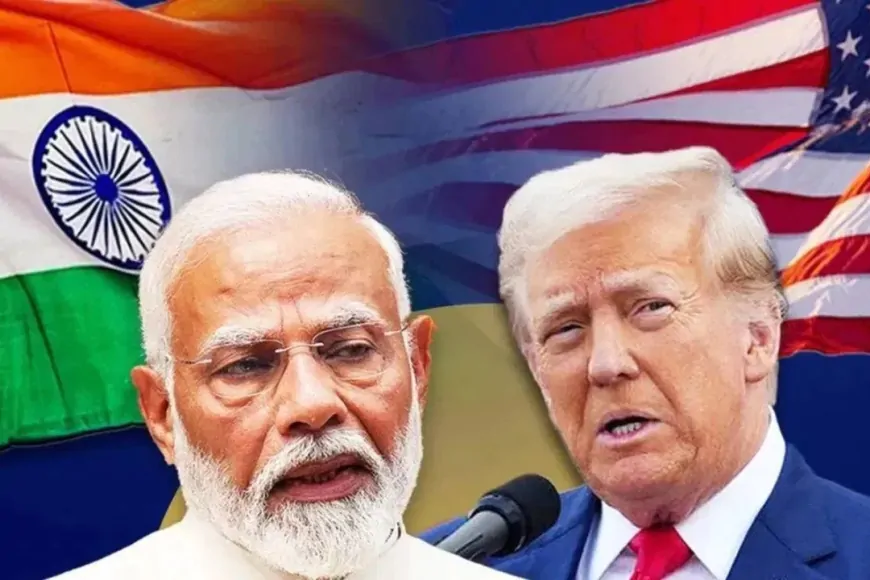
Why the Trade Deal Matters to India
For India, a trade deal with the United States is strategically important. The US is one of India’s largest trading partners, and smoother trade relations could boost exports, attract investments, and strengthen supply chains.
However, when the US administration prioritizes actions such as tariffs against Iran, it often diverts attention and political capital away from constructive trade negotiations. India, which has historically maintained economic ties with Iran, also finds itself in a delicate position as it balances strategic autonomy with global pressures.
Trump’s Trade Policy and Its Global Impact
President Donald Trump’s trade policy has been characterized by a strong emphasis on “America First.” From China to Europe and now the Middle East, tariffs have been used as leverage to achieve political and economic goals.
The renewed threat of tariffs against Iran is part of this broader strategy. By tightening economic pressure on Tehran, the US aims to influence Iran’s regional behavior. However, such moves also unsettle global markets and complicate trade relations with countries that have economic interests in the region.
How Tariffs Against Iran Affect India Indirectly
Although India is not the direct target, tariffs against Iran have indirect consequences for the Indian economy. Iran has been an important supplier of crude oil to India, and trade restrictions disrupt energy security and pricing.
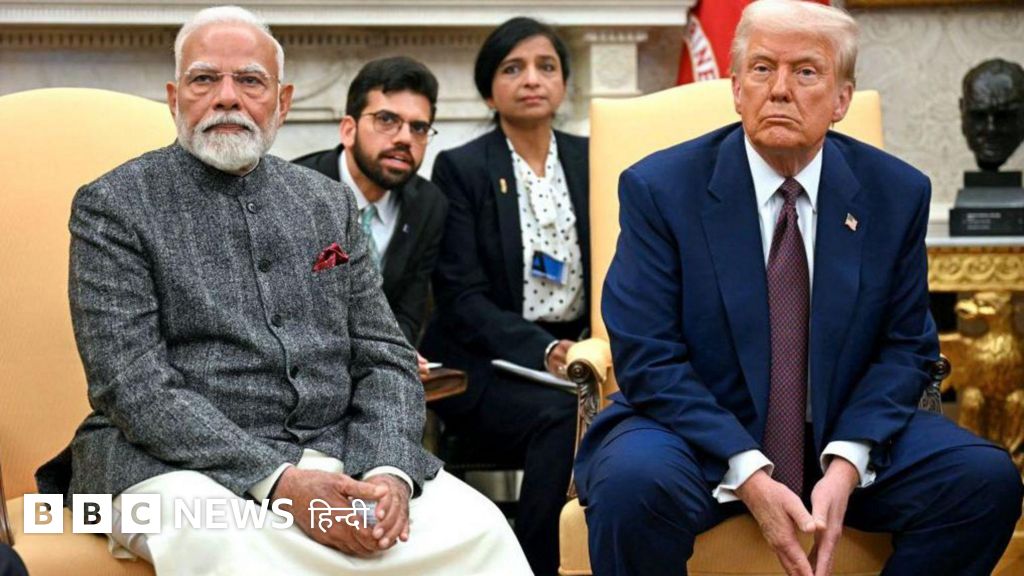
Moreover, when the US intensifies tariffs against Iran, it sends a strong message to all trading partners that compliance with US foreign policy objectives is expected. This complicates India’s diplomatic and economic calculations, especially during sensitive trade negotiations with Washington.
Delay Signals Strategic Caution from Both Sides
The repeated delay in the India–US trade deal suggests caution rather than collapse. Both governments appear unwilling to rush into an agreement amid global uncertainty fueled by actions like tariffs against Iran.
From India’s perspective, safeguarding domestic industries and policy space is crucial. For the US, maintaining leverage through tariffs remains a preferred strategy. As long as the White House continues to rely on tools such as tariffs against Iran, bilateral negotiations may remain slow and complex.
Business Community Reacts to the Delay
The business communities in both India and the United States have expressed disappointment over the delay. Industry leaders argue that uncertainty harms investment decisions and long-term planning.
Many experts point out that when global headlines are dominated by issues like tariffs against Iran, confidence in international trade frameworks weakens. Companies prefer stability and predictability, which are difficult to achieve in an environment of frequent tariff threats.
Political Timing and Domestic Pressures
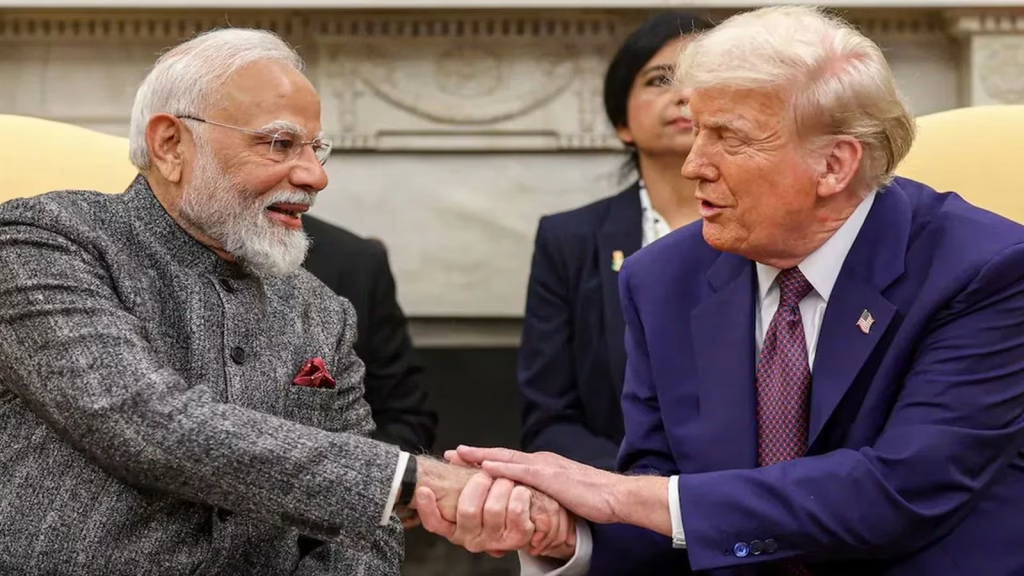
Domestic political considerations also play a role in delaying the trade deal. In the US, trade policy is often shaped by electoral calculations, while in India, protecting farmers, small businesses, and local industries remains a priority.
Trump’s strong rhetoric on tariffs against Iran appeals to his political base, reinforcing his image as a tough negotiator. However, this approach can slow down diplomacy-driven trade agreements that require compromise and mutual trust.
Strategic Importance of Iran in Global Trade
Iran occupies a strategically important position in global energy markets and regional trade routes. Any escalation involving tariffs against Iran affects not only Tehran but also countries dependent on energy imports and regional stability.
India has invested in infrastructure projects like the Chabahar Port to enhance connectivity with Central Asia. Increased tariffs against Iran complicate these efforts and indirectly affect India’s broader trade ambitions, including its partnership with the US.
Geopolitical Tensions Overshadow Economic Cooperation
The delay in the trade deal highlights how geopolitical tensions can overshadow economic cooperation. When the US administration focuses on punitive measures such as tariffs against Iran, diplomatic bandwidth for resolving trade disputes narrows.
India, which values strategic autonomy, is cautious about aligning too closely with any one power bloc. This balancing act becomes more challenging when global trade is shaped by unilateral tariff decisions.
Experts Weigh In on the Future of the Deal
Trade experts believe that the India–US trade deal is not off the table but requires a more conducive global environment. As long as Washington continues to emphasize tariffs against Iran, the broader trade agenda may remain fragmented.
Some analysts suggest that a phased or limited trade agreement could be a practical solution, allowing both sides to secure immediate gains while postponing more contentious issues.
Impact on Global Markets
Financial markets tend to react sharply to announcements related to tariffs. The threat of tariffs against Iran has already caused fluctuations in oil prices and investor sentiment.
Such volatility affects emerging markets like India, making policymakers more cautious about entering into major trade commitments during uncertain times.
Diplomatic Channels Remain Open
Despite the delay, diplomatic channels between India and the United States remain open. High-level dialogues continue, and both sides have reiterated their commitment to strengthening bilateral relations.
However, progress will depend on whether global trade tensions—driven in part by tariffs against Iran—can be eased in the coming months.
The Way Forward for India
India is likely to adopt a pragmatic approach, engaging with the US while diversifying its trade partnerships. Reducing dependence on any single market helps mitigate risks arising from policies like tariffs against Iran.
Strengthening ties with Europe, ASEAN, and other emerging economies could provide India with greater negotiating leverage in future talks with Washington.
Conclusion: Trade Talks in a Turbulent World
The repeated delay in India–US trade negotiations underscores the complexity of global trade in an era defined by protectionism and geopolitical rivalries. President Trump’s emphasis on tariffs against Iran highlights how economic tools are increasingly used to pursue strategic objectives.
While both India and the United States recognize the value of a comprehensive trade agreement, external factors continue to slow progress. Until global trade tensions ease and confidence is restored, negotiations may proceed cautiously.
In a world where tariffs against Iran dominate headlines and influence market behavior, bilateral trade deals face an uphill task. Yet, the long-term potential of India–US economic cooperation remains strong, provided both sides can navigate the challenges of an increasingly uncertain global order.
Read more Latest News

