
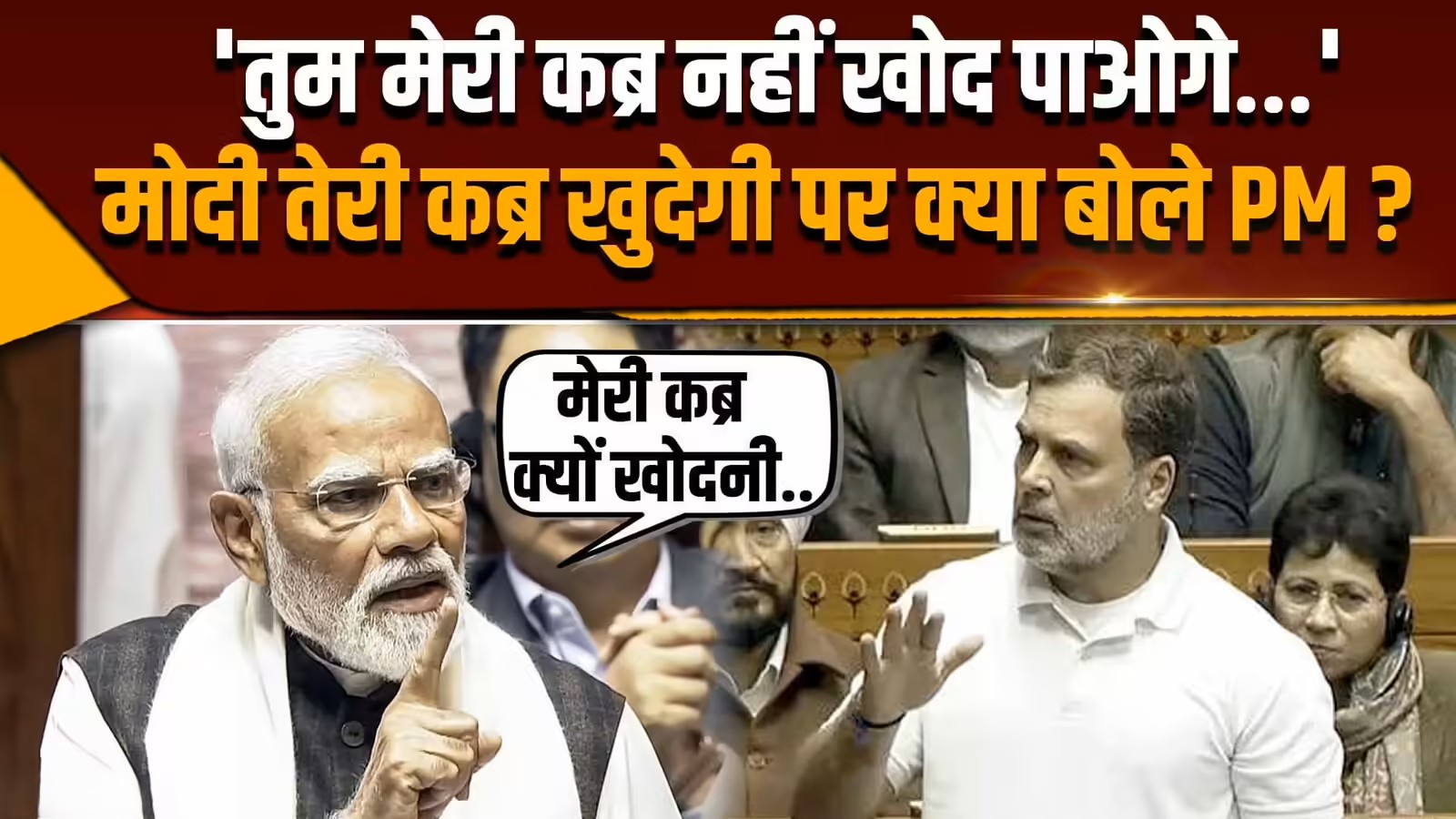
During the Motion of Thanks Debate: PM Modi Sharp Reply to Opposition Sloganeering
Modi teri kabra khugegi, During the discussion on the Motion of Thanks on the President’s Address in Parliament, Prime Minister Narendra Modi delivered a forceful and politically charged speech that immediately drew national attention. Responding to opposition sloganeering, especially the controversial chant Modi teri kabra khugegi, the Prime Minister issued a direct challenge, asserting that no matter how loud or aggressive the slogans became, they would not succeed in undermining democratic mandate or development-driven politics. His remark, “No matter how many slogans you raise, you will not be able to dig the grave,” set the tone for a wider debate on political discourse, responsibility, and the direction of Indian democracy.
Parliament as the Stage of Democracy
Parliament has always been the most important arena for debate in India’s democratic framework. The Motion of Thanks on the President’s Address is not merely a procedural ritual; it is a moment when the government presents its vision and the opposition scrutinizes it. This year’s discussion, however, went beyond policy arguments and entered the realm of political rhetoric and slogans such as Modi teri kabra khugegi, which the Prime Minister highlighted as an example of negativity replacing constructive debate.
PM Modi stressed that Parliament should be a platform for ideas, solutions, and accountability rather than personal attacks. By responding directly to Modi teri kabra khugegi, he reframed the slogan as a symbol of political frustration rather than strength.
The Context Behind the Slogan
The slogan Modi teri kabra khugegi has been used by some opposition supporters in street protests and political gatherings, often reflecting deep ideological opposition to the Prime Minister. During his speech, Modi chose not to ignore it. Instead, he confronted it head-on, arguing that such language reflects desperation rather than democratic maturity.
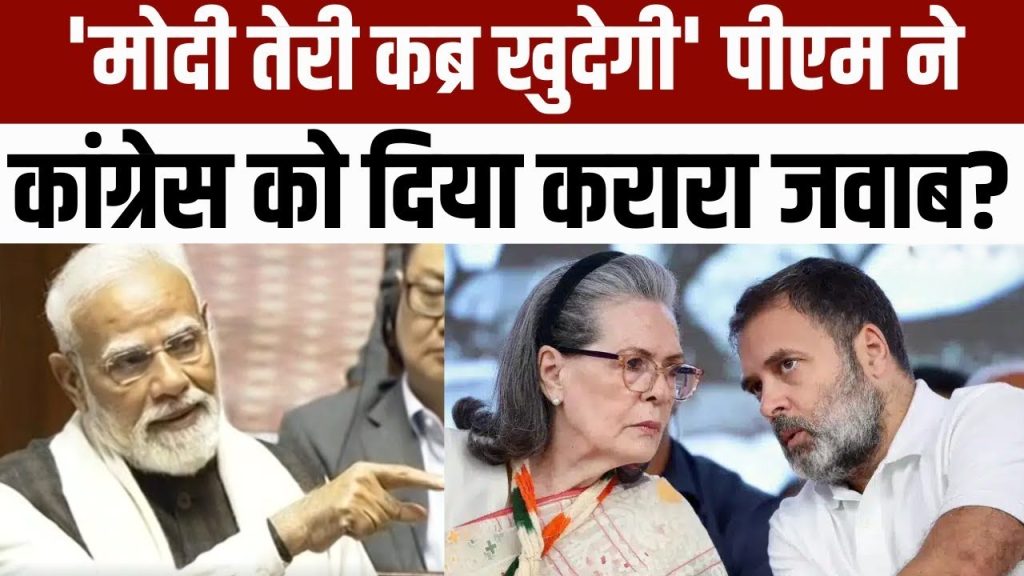
According to him, slogans like Modi teri kabra khugegi do not challenge policies or governance records; they attempt to create fear and hostility. He asserted that Indian voters respond not to threats but to performance, vision, and trust.
“You Cannot Dig the Grave of Democracy”
In his rebuttal, PM Modi made it clear that the slogan Modi teri kabra khugegi was not just about him as an individual. He framed it as an attack on the democratic choice of millions of citizens. The Prime Minister emphasized that when people repeatedly elect a government, it reflects faith in its agenda, not manipulation or coercion.
He said that shouting Modi teri kabra khugegi cannot erase electoral verdicts, welfare schemes, infrastructure achievements, or India’s growing global stature. According to Modi, democracy cannot be buried by slogans; it is strengthened by accountability and results.
Opposition Strategy Under the Scanner
PM Modi’s remarks also brought opposition strategy into sharp focus. He questioned whether chanting Modi teri kabra khugegi was a substitute for offering an alternative vision. The Prime Minister argued that voters expect opposition parties to present solutions to unemployment, inflation, education, and healthcare, not just aggressive slogans.
By highlighting Modi teri kabra khugegi repeatedly, Modi suggested that the opposition had run out of constructive criticism and had resorted to emotional outbursts.
Political Discourse and Its Limits
One of the key takeaways from the debate was the larger question of political language. PM Modi noted that slogans like Modi teri kabra-khugegi lower the quality of public discourse and risk alienating citizens who want respectful debate.
He reminded the House that political opponents are not enemies and that disagreement should not descend into verbal hostility. In his view, chanting Modi teri kabra khugegi reflects a failure to engage in meaningful dialogue.
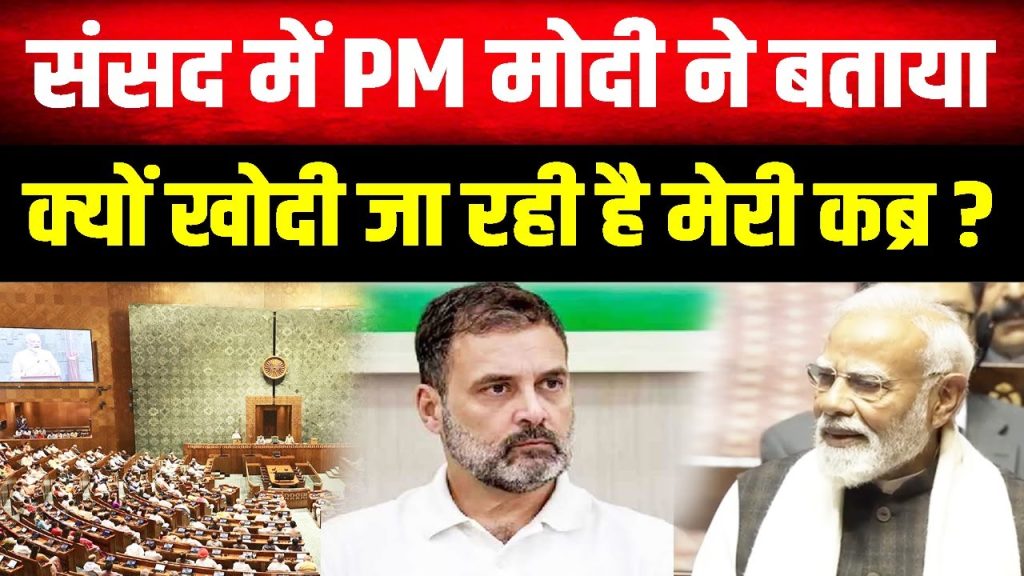
Supporters Applaud, Critics React
Supporters of the Prime Minister applauded his firm stance against Modi teri kabra khugegi, seeing it as a moment of political confidence. They argued that Modi’s response showcased his belief in democratic legitimacy and public support.
Critics, however, claimed that focusing on Modi teri kabra khugegi diverted attention from substantive issues raised by the opposition. They argued that slogans emerge from public anger and should be addressed through policy correction rather than rhetorical dismissal.
A Message Beyond Parliament
PM Modi’s response to Modi teri kabra-khugegi was not limited to those present in Parliament. It was clearly aimed at the wider public, especially young voters. He urged citizens to question leaders who rely on hostility instead of ideas.
According to Modi, the future of India depends on innovation, unity, and constructive criticism—not on slogans like Modi teri kabra khugegi that thrive on division.
Democracy, Mandate, and Confidence
The Prime Minister reiterated that his government draws strength from the ballot box. He said that Modi teri kabra khugegi ignores the repeated mandates given by the people. For him, every election victory is a reaffirmation of public trust, and no slogan can undermine that reality.
He also emphasized that governments should be judged by outcomes, not by the volume of protests or slogans such as Modi teri kabra khugegi.
Media and Public Debate
The exchange quickly dominated news cycles and social media. Hashtags, debates, and opinion pieces revolved around Modi teri kabra khugegi and the Prime Minister’s sharp comeback. Some media analysts described it as a defining moment of the session, while others saw it as symptomatic of increasing polarization.
Regardless of perspective, the slogan Modi teri kabra khugegi became a focal point for discussing where Indian politics is heading.
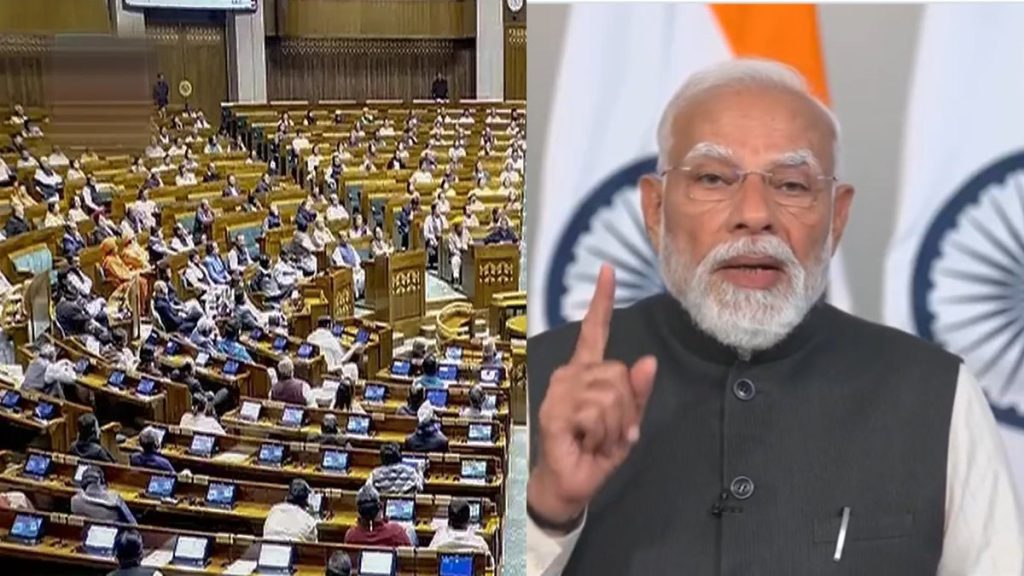
Conclusion: Beyond Slogans
In conclusion, the Motion of Thanks debate highlighted a deeper tension within Indian politics. PM Narendra Modi’s challenge to Modi teri kabra khugegi was not just a rebuttal to a slogan but a call for more responsible opposition politics. He asserted that democracy thrives on debate, vision, and accountability—not on threats or inflammatory language.
Whether one agrees with the Prime Minister or not, his response to Modi teri kabra khugegi has sparked an important conversation about the tone of political engagement in India. As the country moves forward, the real challenge for all political actors will be to rise above slogans like Modi teri kabra khugegi and focus on ideas that shape the nation’s future.
Read More latest news

