
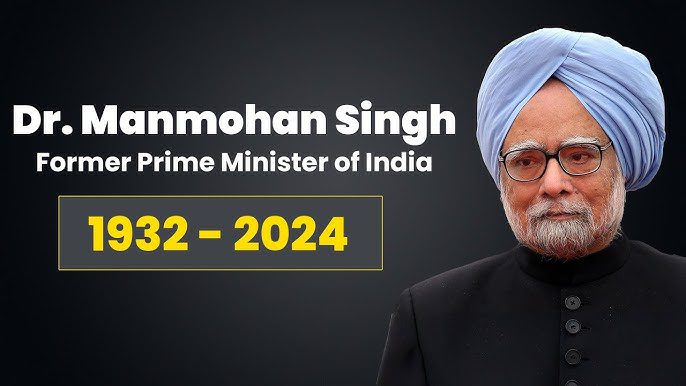
Manmohan Singh: A Life of Service and Leadership
Manmohan Singh, India’s 13th Prime Minister and a pivotal figure in the nation’s economic transformation, passed away on December 26, 2024, at the age of 92. His demise marks the end of an era characterized by significant economic reforms and a commitment to inclusive growth.
Early Life and Education
Manmohan Singh Born on September 26, 1932, in Gah, Punjab (now in Pakistan), Singh’s early life was marked by the challenges of partition, which led his family to migrate to India. Demonstrating exceptional academic prowess, he earned a bachelor’s degree in Economics from Panjab University, followed by further studies at the University of Cambridge and a D.Phil. in Economics from the University of Oxford. His academic endeavors laid a strong foundation for his future role as an economist and policymaker.
Academic and Professional Career
Manmohan Singh Before entering the political arena, Singh held several key positions, including Chief Economic Adviser (1972–1976), Governor of the Reserve Bank of India (1982–1985), and Deputy Chairman of the Planning Commission (1985–1987). His tenure in these roles was marked by a deep understanding of economic policies and a vision for India’s development.
Architect of Economic Reforms
In 1991, amid a severe economic crisis, Singh was appointed as the Finance Minister under Prime Minister P.V. Narasimha Rao. He spearheaded a series of economic reforms that liberalized India’s economy, dismantling the “Licence Raj” and opening the nation to global markets. These reforms set the stage for India’s rapid economic growth in the subsequent decades.
Prime Ministerial Tenure (2004–2014)
Singh became the first Sikh to hold the office of Prime Minister in 2004, leading the United Progressive Alliance (UPA) government. His tenure was marked by significant achievements, including:
- Economic Growth: Under his leadership, India experienced unprecedented economic growth, with GDP growth rates reaching new heights.
- Social Welfare Programs: Initiatives like the National Rural Employment Guarantee Act (NREGA) and the Right to Information Act were implemented to promote transparency and provide employment opportunities.
- Civil Nuclear Agreement: In 2008, Singh played a crucial role in finalizing the Indo-US Civil Nuclear Agreement, marking a significant milestone in international relations.
However, his administration also faced challenges, including allegations of corruption and policy paralysis during his second term, which impacted the Congress Party’s performance in subsequent elections.
Later Years and Legacy
Manmohan Singh After his tenure as Prime Minister, Singh remained active in public life, contributing to policy discussions and offering guidance on economic matters. His legacy as the architect of India’s economic liberalization and his commitment to inclusive growth continue to influence policymakers and economists.
Personal Life
Manmohan Singh was known for his integrity, humility, and scholarly demeanor. He is survived by his wife, Gursharan Kaur, and their three daughters. His personal life was marked by simplicity and a dedication to public service.
Condolences and Tributes
Following his passing, tributes poured in from national and international leaders. Prime Minister Narendra Modi described Singh as one of “India’s most distinguished leaders,” and President Droupadi Murmu acknowledged his contributions to the nation’s development. The government declared a seven-day period of national mourning, with the national flag flying at half-mast as a mark of respect.
Conclusion
Manmohan Singh’s life was a testament to the power of visionary leadership and unwavering commitment to the nation’s progress. His contributions to India’s economic landscape have left an indelible mark, inspiring future generations to pursue growth with equity and integrity.
Dr. Manmohan Singh was born on September 26, 1932, in the village of Gah, Punjab, which was then part of British India. His humble beginnings shaped his personality as a quiet and determined individual. The partition of India in 1947 forced his family to relocate to Amritsar, where they began a new chapter amidst significant upheaval.
Manmohan Singh His early education reflected his brilliance, particularly in economics, a field that would define his life’s work. After completing his bachelor’s degree from Panjab University, Singh was awarded a scholarship to study at the University of Cambridge. His time at Cambridge deeply influenced his worldview, introducing him to Keynesian economics, which would later inform his approach to policymaking. He went on to pursue a doctorate at the University of Oxford, focusing on India’s export competitiveness, laying the groundwork for his later contributions to economic policy.
Early Career: A Scholar and Policymaker
Dr. Manmohan Singh began his professional journey in academia as a lecturer at Panjab University and later at the Delhi School of Economics. His academic work was complemented by his increasing involvement in policymaking.
In 1971, he joined the Government of India as an economic advisor in the Ministry of Commerce. His expertise was recognized, and he quickly rose through the ranks, taking on key roles such as:
- Chief Economic Adviser (1972–1976): Guided the nation during challenging economic times, focusing on inflation control and resource mobilization.
- Reserve Bank of India Governor (1982–1985): Oversaw critical reforms in banking and financial sectors during a period of global economic instability.
- Planning Commission Deputy Chairman (1985–1987): Shaped India’s economic priorities during the Rajiv Gandhi administration.
The 1991 Economic Reforms: A Turning Point
When India faced an unprecedented balance-of-payments crisis in 1991, Prime Minister P.V. Narasimha Rao entrusted Dr. Manmohan Singh with the Finance Ministry portfolio. It was a time of immense challenge, with India on the verge of economic collapse.
Dr. Manmohan Singh, often regarded as the architect of India’s economic liberalization, introduced transformative reforms, including:
- Dismantling the Licence Raj, reducing bureaucratic controls.
- Liberalizing trade policies, making India more open to foreign investments.
- Devaluing the rupee to improve export competitiveness.
- Initiating privatization to reduce the inefficiencies of state-run enterprises.
These reforms marked a departure from the protectionist policies of earlier decades and ushered India into a new era of globalization and economic dynamism.
Leadership as Prime Minister (2004–2014)
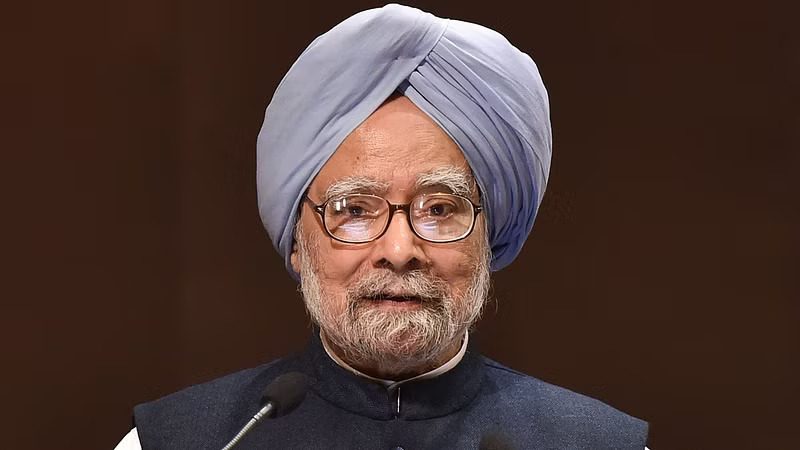
Dr. Manmohan Singh tenure as Prime Minister spanned two terms and was marked by notable achievements as well as challenges. His quiet demeanor and consensus-building approach made him a respected leader, though he was often criticized for being too accommodating.
Major Achievements:
- Economic Growth:
During his tenure, India saw one of the highest growth periods in its history, with GDP growth averaging over 7% annually. His policies aimed to balance growth with inclusivity. - Social Reforms:
Programs such as the National Rural Employment Guarantee Act (NREGA) and the Right to Education Act reflected his commitment to reducing inequality and promoting grassroots development. - Landmark Agreements:
- Indo-US Civil Nuclear Deal (2008): A historic agreement that ended India’s nuclear isolation, allowing it to access global nuclear technology and fuel for civilian purposes.
- Strengthened ties with global powers, reinforcing India’s position on the world stage.
- Rural and Agricultural Development:
Initiatives to support farmers and rural areas helped alleviate poverty, though challenges such as rising farmer suicides persisted.
Challenges:
Despite his achievements, Dr. Manmohan Singh government faced severe criticism during its second term. Major corruption scandals, including the 2G spectrum and coal allocation controversies, tarnished his administration’s image. Critics accused him of being a “silent spectator” to political corruption.
Personal Traits and Values
Manmohan Singh was known for his honesty, humility, and steadfast commitment to public service. Unlike many politicians, he was averse to flamboyance, living a life of simplicity and introspection. His speeches, often understated, resonated with intellectual depth and moral conviction.
His wife, Gursharan Kaur, and three daughters were his pillars of strength, supporting him through his demanding political journey.
Global Recognition and Legacy
Dr. Singh’s contributions earned him widespread acclaim:
- He was awarded the Padma Vibhushan in 1987 for his outstanding service to the nation.
- Internationally, he was lauded for his economic acumen, receiving honorary doctorates from institutions such as Oxford, Cambridge, and Yale.
Economic Legacy:
Dr. Singh’s policies transformed India into a global economic powerhouse, setting the stage for its emergence as one of the world’s largest economies. His vision emphasized sustainable and inclusive growth, balancing industrial progress with social welfare.
Passing and Tributes
Dr. Singh passed away on December 26, 2024, at the age of 92, leaving behind a legacy that continues to inspire. His passing elicited tributes from across the globe:
- Prime Minister Narendra Modi: Called him “a statesman whose contributions will be remembered for generations.”
- UN Secretary-General António Guterres: Praised him as “a leader who prioritized global harmony and development.”
The government declared seven days of national mourning, with the national flag flown at half-mast across the country.
Conclusion
Dr. Manmohan Singh’s life exemplified the power of knowledge, perseverance, and ethical governance. From a modest village boy to a global statesman, his journey inspires millions. While his physical presence has ended, his ideas and vision continue to shape India’s trajectory.
The void left by his demise is immense, but his legacy remains immortal, urging future leaders to pursue a path of integrity, wisdom, and compassion.
Read more latest News

