
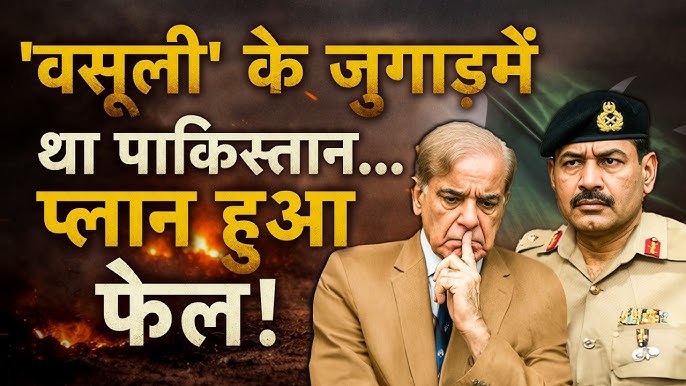
Pakistan Facing an Economic Crisis: Can Peace Talks Win Back US Support?
Pakistan facing an economic crisis is not a sudden development but the culmination of years of structural weaknesses, fiscal mismanagement, and external shocks.
Pakistan, facing an economic crisis, stands at a critical crossroads in its modern history. Burdened by mounting debt, rising inflation, dwindling foreign reserves, and political instability, the country is now exploring diplomatic strategies to regain international financial support.
Among these strategies, hosting peace talks has emerged as a key move aimed at attracting assistance from global powers, particularly the United States. However, in a rapidly evolving geopolitical environment, questions are being raised about whether this approach will yield the desired results or if Pakistan must carve out a new path to economic recovery.
The Depth of the Economic Crisis
The country has struggled with a persistent trade deficit, low tax collection, and heavy reliance on imports, especially energy. As a result, foreign exchange reserves have frequently dipped to alarming levels, making it difficult to pay for essential imports.
Inflation has soared, significantly impacting the daily lives of citizens. Basic commodities such as food, fuel, and electricity have become increasingly expensive, pushing millions closer to poverty. The Pakistani rupee has depreciated sharply against major currencies, further exacerbating the economic strain.
Political instability has also played a significant role. Frequent changes in government, policy inconsistencies, and internal conflicts have discouraged foreign investment. Investors often seek stability and predictability, both of which have been lacking in Pakistan’s recent history.
The Role of International Assistance
Pakistan facing an economic crisis has historically relied on international assistance to stabilize its economy. Institutions like the International Monetary Fund (IMF) and friendly countries have often stepped in with bailout packages. However, these come with strict conditions, including austerity measures, subsidy cuts, and structural reforms, which can be politically unpopular and socially challenging.
The United States has been a significant partner in the past, providing both military and economic aid. However, the relationship between the two countries has experienced ups and downs, particularly in the context of regional security issues and shifting strategic priorities.
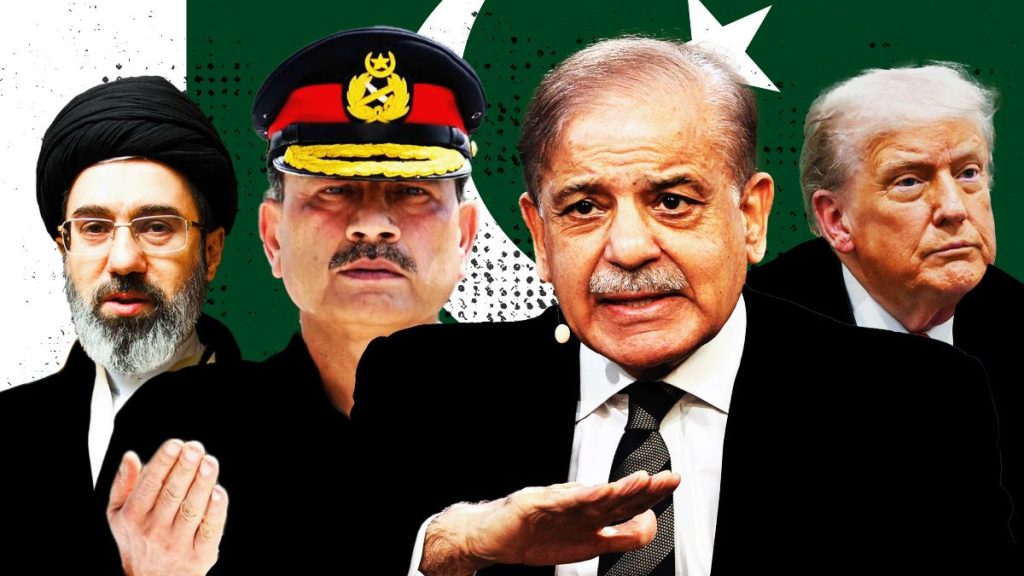
Hosting Peace Talks: A Strategic Move
In this context, Pakistan facing an economic crisis is attempting to leverage its geopolitical position by hosting peace talks. The rationale is clear: by positioning itself as a facilitator of regional stability, Pakistan hopes to regain the attention and support of the United States and other global powers.
Peace talks are not merely diplomatic events; they are opportunities to demonstrate relevance on the global stage. By bringing conflicting parties to the negotiating table, Pakistan aims to project itself as a responsible and indispensable player in regional affairs.
This strategy also aligns with the broader interests of the United States, which seeks stability in regions affected by conflict. By contributing to peace efforts, Pakistan hopes to rebuild trust and strengthen bilateral relations.
Changing Global Dynamics
However, Pakistan facing an economic crisis must navigate a vastly different global landscape compared to previous decades. The world is no longer unipolar, and the influence of emerging powers has significantly altered international relations.
The United States has shifted its focus towards strategic competition with other major powers, and its engagement in South Asia has evolved accordingly. This means that Pakistan can no longer rely solely on its traditional role as a security partner to secure financial assistance.
At the same time, countries like China have increased their presence in Pakistan through initiatives such as infrastructure investments and economic corridors. While these partnerships provide opportunities, they also come with their own set of challenges, including debt obligations and strategic dependencies.
Skepticism Around the Strategy
Pakistan facing an economic crisis is facing skepticism regarding its reliance on peace talks as a means to secure financial aid. Critics argue that while diplomatic initiatives are important, they cannot substitute for comprehensive economic reforms.
Hosting peace talks may improve Pakistan’s international image, but it does not directly address the underlying issues plaguing the economy. Structural problems such as low productivity, inefficient tax systems, and reliance on imports require long-term solutions.
Moreover, the success of peace talks depends on factors beyond Pakistan’s control. Conflicts are complex and involve multiple stakeholders with differing interests. Even with the best intentions, achieving lasting peace can be a challenging and uncertain process.

The Need for Structural Reforms
Pakistan facing an economic crisis must prioritize internal reforms to achieve sustainable growth. This includes broadening the tax base, reducing unnecessary expenditures, and improving governance.
Investment in key sectors such as education, healthcare, and technology is essential for long-term development. By building a skilled workforce and fostering innovation, Pakistan can enhance its competitiveness in the global economy.
Energy sector reforms are also crucial. Reducing reliance on imported fuels and investing in renewable energy can help stabilize the economy and reduce external vulnerabilities.
Diversifying Economic Partnerships
Another important step for Pakistan facing an economic crisis is to diversify its economic partnerships. While maintaining relations with traditional allies, the country should also explore new markets and collaborations.
Regional trade offers significant potential. Strengthening economic ties with neighboring countries can boost exports and reduce dependence on distant markets. Additionally, engaging with emerging economies can open up new avenues for investment and growth.
The Role of Governance and Transparency
Good governance and transparency are fundamental to restoring investor confidence. Pakistan facing an economic crisis must address issues related to corruption, bureaucratic inefficiencies, and lack of accountability.
Implementing transparent policies and ensuring consistency in decision-making can create a favorable environment for both domestic and foreign investors. This, in turn, can drive economic growth and reduce reliance on external assistance.
Public Perception and Social Impact
Pakistan facing an economic crisis is not just an economic issue; it is a social challenge that affects millions of people. Rising unemployment, increasing cost of living, and reduced access to basic services have created widespread dissatisfaction.
The government must balance economic reforms with social protection measures to ensure that vulnerable populations are not disproportionately affected. Programs aimed at poverty alleviation, job creation, and social welfare are essential in this regard.
Can Peace Talks Deliver Results?
The question remains: can peace talks help Pakistan facing an economic crisis regain US support? The answer is not straightforward.
On one hand, successful diplomatic initiatives can enhance Pakistan’s global standing and improve relations with key partners. This can create opportunities for economic cooperation and financial assistance.
On the other hand, the effectiveness of this strategy depends on multiple factors, including the outcomes of the talks, the broader geopolitical context, and Pakistan’s own commitment to reforms.

A Balanced Approach
Pakistan facing an economic crisis needs a balanced approach that combines diplomatic efforts with domestic reforms. Relying solely on external support is not a sustainable strategy.
By addressing internal challenges and demonstrating a commitment to economic stability, Pakistan can strengthen its position in negotiations and attract long-term investment.
The Road Ahead
The path forward for Pakistan facing an economic crisis is undoubtedly challenging. However, it is not without opportunities. The country’s strategic location, young population, and potential for growth provide a strong foundation for recovery.
To capitalize on these strengths, Pakistan must adopt a comprehensive strategy that includes:
- Economic reforms to address structural weaknesses
- Diplomatic engagement to enhance global standing
- Diversification of partnerships to reduce dependency
- Investment in human capital and infrastructure
- Strengthening governance and transparency
Conclusion
Pakistan facing an economic crisis is at a pivotal moment in its history. While hosting peace talks may offer a pathway to regain international support, it is not a silver bullet. The changing global landscape demands a more nuanced and multifaceted approach.
Ultimately, the future of Pakistan’s economy will depend on its ability to implement meaningful reforms, build strong institutions, and adapt to evolving global dynamics. Whether it regains US support or charts a new course, one thing is clear: the decisions made today will shape the country’s trajectory for years to come.
Pakistan facing an economic crisis must seize this moment as an opportunity for transformation, turning challenges into stepping stones toward a more stable and prosperous future.
Read more latest news

