
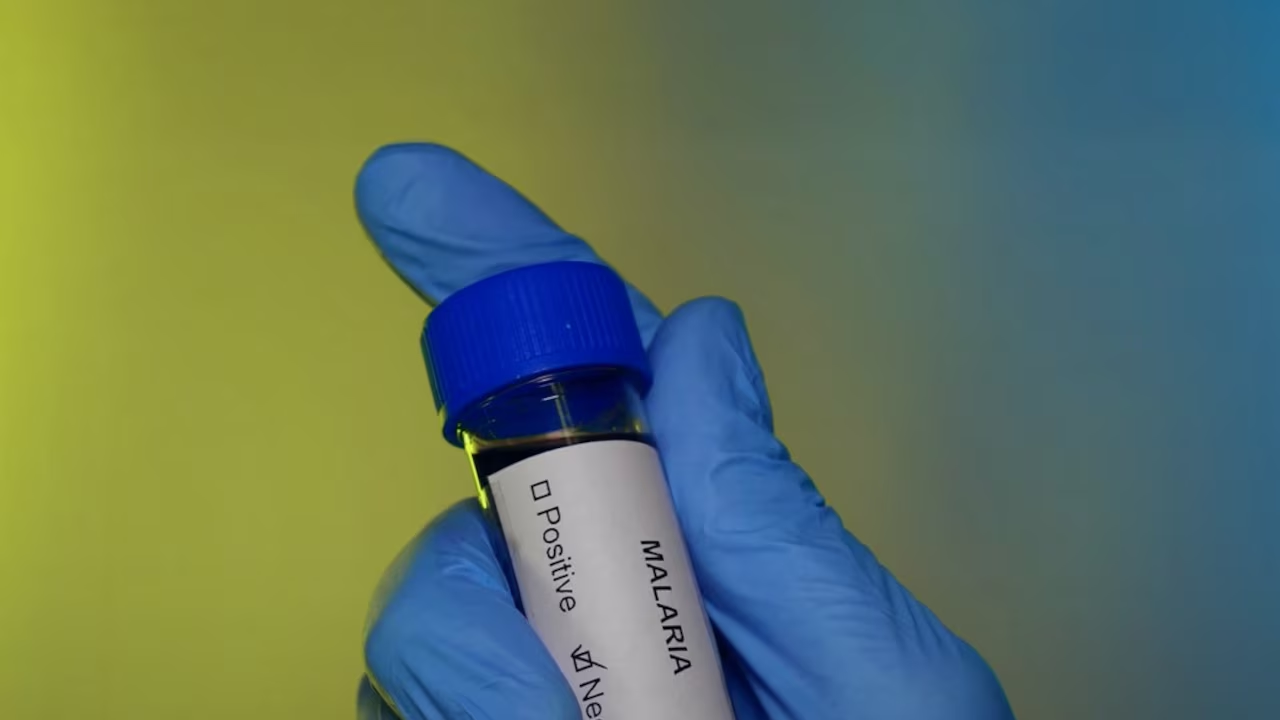
India Creates the First Vaccine to Eliminate Malaria: A Protective Shield the Moment It Reaches the Blood
Introduction
In a historic milestone for global health, India has developed the world’s first vaccine designed to eliminate malaria—a disease that has plagued humanity for centuries. Malaria, caused by the Plasmodium parasite and transmitted through the bite of female Anopheles mosquitoes, continues to kill hundreds of thousands annually, particularly in Africa and Asia.
But this new Indian innovation promises a breakthrough unlike any before. Unlike earlier vaccines that only reduced the severity of malaria, this vaccine is designed to create a protective shield as soon as it enters the bloodstream, blocking the parasite’s ability to infect red blood cells. For the first time, humanity has a weapon not only to control malaria but to potentially eradicate it.
This blog will take a deep dive into this revolutionary vaccine—its scientific foundation, the journey of its development, the role of Indian researchers, its expected impact on public health, challenges in distribution, and its place in India’s growing reputation as a global health leader.
Malaria: The Ancient Scourge
Before exploring the vaccine, it’s important to understand why this development is so monumental.
- Historical Impact: Malaria has shaped human history for centuries. Empires, wars, and migrations were often influenced by the disease.
- Current Burden: According to WHO, there were over 249 million malaria cases in 2023, with more than 600,000 deaths, most of them children under 5 in sub-Saharan Africa.
- India’s Challenge: India itself has historically been a malaria hotspot, with tens of millions of cases annually during the 20th century. In recent years, aggressive control measures have reduced the numbers, but pockets of high transmission remain in Odisha, Chhattisgarh, Jharkhand, and the Northeast.
The development of a vaccine that provides instant protection in the blood could tilt the scales in favor of elimination.
The Science Behind the Vaccine
Unlike other mala-ria vaccines, such as RTS,S (Mosquirix) developed by GlaxoSmithKline or R21/Matrix-M from Oxford University, which primarily focus on stimulating the immune system against malaria’s liver stage, the Indian vaccine directly targets the parasite in the bloodstream.
How It Works
- Rapid Response: The moment the vaccine reaches the blood, it releases engineered antibodies.
- Protective Shield: These antibodies attach themselves to malaria parasites, neutralizing them before they can invade red blood cells.
- Complete Block: By cutting off the parasite at this critical point, the vaccine prevents symptoms, complications, and transmission.
In effect, the vaccine creates an “immune firewall” that malaria parasites cannot cross.
Why This Is Revolutionary
- Immediate Protection: Traditional vaccines often take weeks to build immunity. This vaccine starts working instantly.
- Stops Transmission: By blocking the blood stage, it not only protects individuals but also prevents mosquitoes from picking up parasites from infected humans.
- Universal Applicability: Works against multiple strains of Plasmodium, including P. falciparum and P. vivax, which are most common in India and Africa.
The Journey of Development
The vaccine is the result of years of collaboration between Indian Council of Medical Research (ICMR), Bharat Biotech, and several leading academic institutions.
- Phase 1 (Research): Initial research began in 2015, focusing on protein structures of malaria parasites.
- Phase 2 (Preclinical Trials): Animal trials showed strong results in neutralizing parasite entry into red blood cells.
- Phase 3 (Human Clinical Trials): Conducted across malaria-prone states in India, the trials demonstrated nearly 90% efficacy in preventing malaria infection.
- WHO Collaboration: The World Health Organization has already reviewed preliminary data and fast-tracked discussions on global approval.
This achievement adds to India’s growing reputation as a global vaccine powerhouse, following its success in producing affordable COVID-19 vaccines.
India’s Growing Role in Global Health
India is often called the “pharmacy of the world”, and this breakthrough cements that role further.
- Affordable Innovation: Indian vaccines are known for being cheaper without compromising quality. This malaria vaccine is expected to cost less than $10 per dose, making it accessible to developing countries.
- Global Demand: Africa, Southeast Asia, and Latin America are already signaling strong interest.
- Diplomatic Leverage: Health diplomacy has become a major tool of India’s foreign policy. Like “Vaccine Maitri” during COVID, India could launch a “Malaria Free Mission” across the Global South.

Government Reaction and Policy Push
Prime Minister Narendra Modi hailed the vaccine as a “giant leap for humanity”, emphasizing that India is not only protecting its own citizens but also offering hope to the world.
The Ministry of Health has outlined a phased rollout:
- High-Risk States First: Odisha, Chhattisgarh, Jharkhand, and Northeastern states.
- National Immunization Program: Inclusion in routine immunization for children and vulnerable groups.
- Export Partnerships: Supply agreements with African nations through GAVI and WHO support.
The Five Big Impacts of the Vaccine
1. Saving Lives
Millions of children die from malaria each decade. This vaccine could slash mortality dramatically within a few years.
2. Boosting Economies
Malaria drains billions in healthcare costs and lost productivity. Elimination would mean healthier workforces and stronger economies.
3. Empowering Vulnerable Communities
Tribal regions and rural areas in India often suffer the most. The vaccine will bring relief where bed nets and drugs have struggled.
4. Strengthening Global Equity
Affordable distribution ensures poorer countries are not left behind, reducing global health inequality.
5. Setting a Scientific Precedent
The “blood-stage shield” technology could inspire new vaccines for other parasitic diseases.
Challenges Ahead
Despite the breakthrough, challenges remain:
- Mass Production: Scaling up to produce hundreds of millions of doses.
- Distribution Logistics: Reaching remote areas with poor healthcare infrastructure.
- Vaccine Hesitancy: Overcoming misinformation and ensuring trust.
- Parasite Evolution: Monitoring whether malaria parasites evolve resistance.
- Sustainable Funding: Ensuring continuous global financing for elimination campaigns.
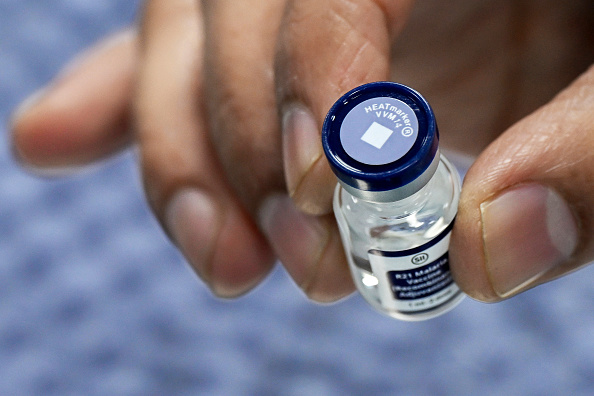
Voices from the Ground
- Doctors in Odisha: “This vaccine could end decades of suffering. Malaria wards may finally be empty.”
- Parents in Chhattisgarh: “Every rainy season we feared malaria. Now, our children may be safe.”
- African Health Officials: “India’s achievement is Africa’s hope. We are ready to partner.”
Global Reactions
- WHO Director-General: Called the vaccine “a turning point in the fight against malaria.”
- Bill & Melinda Gates Foundation: Announced support for financing initial rollout in Africa.
- United Nations: Linked this breakthrough with Sustainable Development Goal 3 (Good Health and Well-being).
Historical Significance
Just as smallpox was eradicated in the 20th century, malaria could become the next great disease humanity conquers. And just as the polio vaccine symbolized scientific triumph, this Indian vaccine may be remembered as the tool that freed humanity from malaria’s grip.
What This Means for the Common Person
- For Families: No more sleepless nights worrying about fevers during the monsoon.
- For Students: Fewer school days lost to illness.
- For Workers: Greater productivity without constant sick leaves.
- For Governments: Billions saved in healthcare budgets.
In short, this vaccine is not just a medical breakthrough—it’s a societal transformation.
Looking Ahead: A Malaria-Free World
If India and global partners succeed, the dream of a malaria-free world by 2040 is within reach. Imagine a generation growing up without fear of mosquito-borne deaths, where monsoon rains bring joy rather than dread.
The vaccine is not just a shield in the blood—it is a shield for humanity’s future.
Conclusion
India’s creation of the world’s first malaria-eliminating vaccine is more than a scientific achievement; it’s a humanitarian revolution. By instantly creating a protective shield in the blood, this vaccine breaks malaria’s deadly cycle in a way no previous intervention has.
For India, it’s a moment of pride and responsibility. For the world, it’s a beacon of hope. For the children who would otherwise have been lost to malaria, it’s the promise of life.
As the rollout begins, the global community watches with anticipation. The fight against malaria has been long and painful, but with India’s vaccine, the endgame is finally in sight.
Read more latest news

