
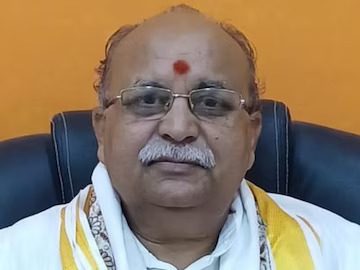
Madhya Pradesh Govt Official Urges Young
Madhya Pradesh Govt In a statement that has sparked significant debate and controversy, a Madhya Pradesh government official has reportedly urged young Brahmin couples to have four children, promising financial incentives of ₹1 lakh as part of the proposal. This announcement has triggered widespread reactions, with many questioning the social, political, and demographic implications of such a policy.
The remarks, coming from a government figure, highlight ongoing debates in India about caste, population policies, and financial incentives tied to demographic goals. In this article, we analyze the context, implications, and reactions to this controversial suggestion.
Madhya Pradesh Govt The Controversial Statement: What Was Said?
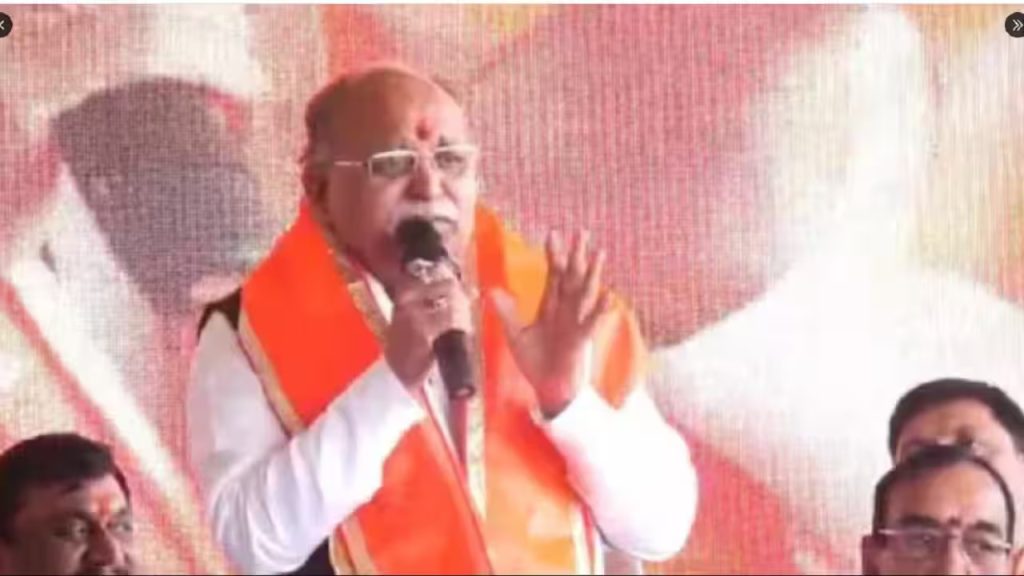
The official, speaking at a community event organized by a Brahmin organization in Madhya Pradesh, emphasized the need for Brahmin families to have more children to preserve and enhance their community’s demographic presence. While addressing the gathering, the official proposed the following:
- Young Brahmin couples should aim to have at least four children.
- The government or related Brahmin welfare organizations could provide financial support of ₹1 lakh per couple as an incentive for larger families.
- The official framed the proposal as a means to address declining numbers within the community and preserve its cultural and societal contributions.
Madhya Pradesh Govt The Context Behind the Statement
To understand the rationale and controversy, it’s essential to delve into the broader societal and political context:
1. Demographic Concerns
India’s population dynamics have been a subject of intense debate, with concerns about both overpopulation and uneven demographic trends among specific communities. Some groups argue that smaller family sizes within certain communities could lead to a demographic imbalance.
2. Socio-Political Agenda
Brahmins, traditionally considered part of the upper caste in India’s stratified social system, have seen a relative decline in their demographic and political influence in many regions. Proposals like these are sometimes rooted in efforts to address perceived marginalization or ensure the community’s sustained influence.
3. Political Implications
The statement also reflects caste-based politics in India, where governments and political figures often cater to specific communities to secure support. The focus on Brahmin welfare could be seen as a move to consolidate the community’s loyalty ahead of elections.
Madhya Pradesh Govt Financial Incentives for Larger Families: A Double-Edged Sword
While financial incentives for larger families are not new, their implementation has been met with mixed reactions globally and domestically. Let’s examine the potential benefits and drawbacks:
1. Potential Benefits
- Economic Support for Families: For economically weaker sections within the Brahmin community, financial incentives could ease the burden of raising multiple children.
- Preservation of Community Identity: Such schemes are often framed as efforts to preserve cultural and traditional values within specific communities.
2. Challenges and Criticisms
- Selective Targeting: Limiting incentives to a specific caste or community raises questions about inclusivity and fairness.
- Overpopulation Concerns: Encouraging larger families contradicts India’s long-standing emphasis on population control and sustainable growth.
- Resource Allocation: Critics argue that the government’s focus should be on improving access to education, healthcare, and employment opportunities rather than incentivizing population growth.
Madhya Pradesh Govt Reactions to the Proposal
The statement has drawn sharp reactions from various quarters:
1. Political Reactions
- Opposition Parties: Opposition leaders have criticized the proposal as divisive and casteist, accusing the ruling party in Madhya Pradesh of pandering to specific communities for electoral gains.
- Ruling Party’s Response: While some members of the ruling party distanced themselves from the remarks, others defended the sentiment, calling it an effort to address community-specific issues.
2. Public Opinion
- Support from Community Leaders: Some Brahmin organizations welcomed the proposal, arguing that it addresses the declining influence of the community.
- Criticism from Social Activists: Activists and scholars criticized the proposal for promoting caste-based policies and undermining efforts toward equality and inclusion.
3. Expert Opinions
- Sociologists: Experts pointed out that focusing on caste-based demographics is a regressive approach that could further entrench societal divisions.
- Economists: Analysts questioned the fiscal prudence of offering incentives for population growth, especially in a country grappling with unemployment and resource scarcity.
Madhya Pradesh Govt Caste-Based Policies in India: A Historical Perspective
Caste has long been a defining feature of Indian society and politics. Over the years, various governments have implemented policies targeting specific caste groups, ranging from affirmative action to welfare schemes.
1. Affirmative Action
India’s reservation system provides educational and employment opportunities for Scheduled Castes (SCs), Scheduled Tribes (STs), and Other Backward Classes (OBCs).
2. Welfare Schemes
Many states have introduced caste-specific welfare programs, including scholarships, financial aid, and skill development initiatives.
3. Controversial Policies
Proposals like the one discussed here often spark debates about whether caste-based policies promote inclusion or deepen divisions.
Madhya Pradesh Govt Population Policies in India: Balancing Growth and Sustainability
India’s approach to population management has evolved over the decades:
1. Family Planning Initiatives
Since the 1950s, India has promoted family planning to control population growth. Campaigns like “Hum Do, Hamare Do” (We Two, Our Two) emphasized small families as a path to prosperity.
2. Demographic Challenges
India is now grappling with regional and community-specific demographic trends. While some regions face overpopulation, others are experiencing declining fertility rates.
3. Global Comparisons
Countries like Japan and South Korea have introduced incentives to boost population growth amid declining birth rates, but these policies are applied universally rather than targeting specific groups.
Madhya Pradesh Govt Broader Implications of the Proposal
1. Social Impact
The proposal could deepen societal divisions by reinforcing caste-based identities and prioritizing one community over others.
2. Political Fallout
Madhya Pradesh Govt While the proposal may consolidate support from certain groups, it risks alienating others, potentially leading to a backlash in elections.
3. Economic Viability
Implementing such incentives on a large scale would require substantial financial resources, diverting funds from critical areas like education, healthcare, and infrastructure.
Madhya Pradesh Govt The Way Forward: Inclusive and Sustainable Policies
For policies to be effective and equitable, they must address the needs of all citizens, regardless of caste or community.
1. Focus on Education and Empowerment
Investing in education, skill development, and employment opportunities can empower communities without exacerbating demographic or societal challenges.
2. Universal Welfare Schemes
Instead of targeting specific communities, governments should design welfare programs that benefit all economically disadvantaged citizens.
3. Dialogue and Consensus
Policymakers must engage with diverse stakeholders, including community leaders, social activists, and experts, to design inclusive and sustainable policies.
Conclusion
Madhya Pradesh Govt government official’s call for young Brahmin couples to have four children, coupled with financial incentives, has ignited a heated debate about caste, population policies, and governance priorities. While the proposal reflects concerns about demographic trends within specific communities, it raises critical questions about fairness, inclusivity, and sustainability.
Madhya Pradesh Govt As India continues to grapple with complex socio-political and economic challenges, it is crucial for policymakers to adopt approaches that promote unity, equality, and holistic development. The discourse surrounding this proposal underscores the need for thoughtful, inclusive, and forward-looking governance in a rapidly evolving society.
Read more Latest News

