
Lord Jagannath Fall Ill for 15 Days: The Sacred Tradition of Anavasara After Dev Snana Purnima
Introduction
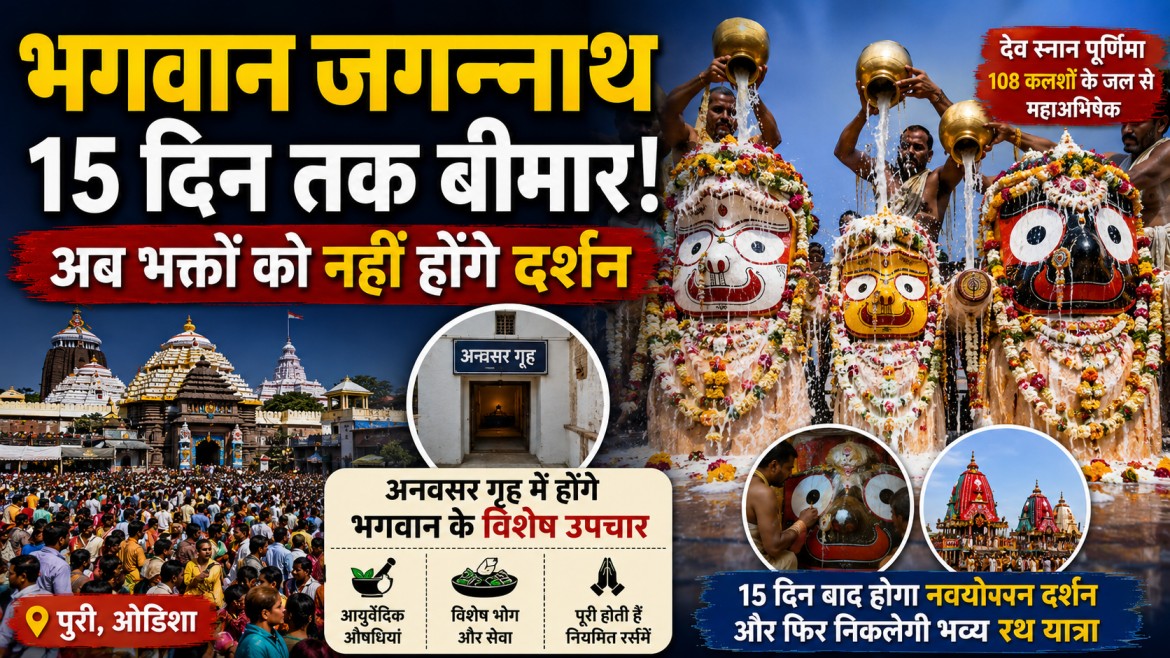
Lord Jagannath fall ill for 15 days after receiving a ceremonial bath with water from 108 sacred pitchers. Every year, millions of devotees eagerly wait for the grand Jagannath Rath Yatra in Puri, Odisha. However, before the magnificent chariot festival begins, an equally significant and spiritually meaningful ritual takes place—Dev Snana Purnima. According to centuries-old traditions of the Jagannath Temple,
This unique belief is deeply rooted in the traditions of the Jagannath culture and symbolizes the human-like qualities of Lord Jagannath. Following the grand bathing ceremony, Lord Jagannath, along with Lord Balabhadra and Devi Subhadra, is believed to develop a fever. Consequently, Lord Jagannath fall ill for 15 days, during which devotees cannot have His divine darshan inside the sanctum sanctorum.
The period is known as Anavasara, during which the deities remain in the Anavasara Griha, a special chamber meant for rest and recovery. Although millions of devotees visit Puri every year hoping to see the Lord, they patiently wait until He regains His health before the Rath Yatra begins.
What Happened on Dev Snana Purnima?
Dev Snana Purnima is one of the most sacred festivals observed at the Jagannath Temple in Puri.
On this auspicious occasion:
- Lord Jagannath
- Lord Balabhadra
- Devi Subhadra
- Sudarshan Chakra
are brought to the Snana Mandap, an elevated bathing platform within the temple premises.
Here, the deities are ceremonially bathed using 108 pitchers of sacred water, drawn from the temple’s holy well. The water is mixed with sandalwood paste, fragrant herbs, flowers, and sacred ingredients.
Lakhs of devotees gather in Puri every year to witness this divine spectacle.
According to religious belief, after this elaborate ritual, Lord Jagannath fall ill for 15 days, marking the beginning of the sacred Anavasara period.
Why Does Lord Jagannath Fall Ill?
Unlike many Hindu deities who are worshipped only in symbolic form, Lord Jagannath is believed to live like a human being.
The Jagannath tradition follows daily routines similar to human life:
- Waking up
- Bathing
- Eating meals
- Taking rest
- Celebrating festivals
- Falling sick
- Recovering from illness
After being bathed with 108 pitchers of cold sacred water, devotees believe Lord Jagannath fall ill for 15 days due to fever caused by the extensive bathing ceremony.
This human-like relationship strengthens the emotional bond between devotees and the Lord.
What Is Anavasara?
The word Anavasara literally means “period of seclusion.”
Once Lord Jagannath fall ill for 15 days, the deities are moved from the sanctum to the Anavasara Griha, a special recovery chamber inside the temple.
During these fifteen days:
- No public darshan takes place.
- Temple priests provide herbal medicines.
- The deities receive light food.
- Special Ayurvedic treatments are offered.
- Daily rituals continue privately.
The period reflects divine rest before the grand Rath Yatra.
Why Are Devotees Not Allowed Darshan?
Many devotees wonder why the temple remains closed for darshan during this period.
According to temple tradition, when Lord Jagannath fall ill for 15 days, He requires complete rest just like any human patient.
Therefore:
- Public viewing is suspended.
- Priests limit rituals.
- The deities remain inside the recovery chamber.
- Visitors patiently wait until the Lord regains His health.
This tradition has continued for centuries.
Ayurvedic Treatment During Anavasara
One fascinating aspect of Jagannath culture is the belief that the Lord receives Ayurvedic treatment.
When Lord Jagannath fall ill for 15 days, temple servitors prepare special herbal medicines including:
- Herbal decoctions
- Sandalwood paste
- Medicinal herbs
- Fruits
- Light food
- Sacred medicinal preparations
These treatments symbolize healing and recovery.
The Role of Temple Servitors
The Daita servitors play a crucial role during this sacred period.
They serve the Lord much like family members caring for a sick relative.
Their responsibilities include:
- Preparing medicines
- Offering food
- Conducting rituals
- Maintaining privacy
- Performing traditional healing ceremonies
Their service becomes especially important because Lord Jagannath fall ill for 15 days, requiring constant care.
Spiritual Meaning Behind the Illness
Religious scholars explain that the tradition carries deep spiritual symbolism.
It teaches devotees that:
- Every living being needs rest.
- Health is precious.
- Recovery requires patience.
- Compassion is an important virtue.
- Divine love includes care and healing.
When devotees hear that Lord Jagannath fall ill for 15 days, they understand that even the Lord participates in the cycle of life to remain close to His devotees.
Lakhs of Devotees Visit Puri
Despite knowing that darshan will be unavailable during Anavasara, lakhs of devotees continue visiting Puri.
Many witness:
- Dev Snana Purnima
- Temple rituals
- Cultural celebrations
- Religious processions
- Spiritual discourses
Their faith remains unwavering even though Lord Jagannath fall ill for 15 days.
Alarnath Temple Becomes the Centre of Worship
During Anavasara, devotees visit the famous Alarnath Temple at Brahmagiri near Puri.
According to belief, while Lord Jagannath fall ill for 15 days, Lord Vishnu manifests at Alarnath to bless devotees.
Thousands visit this temple until Jagannath reappears.
The Beautiful Netrotsava Ceremony
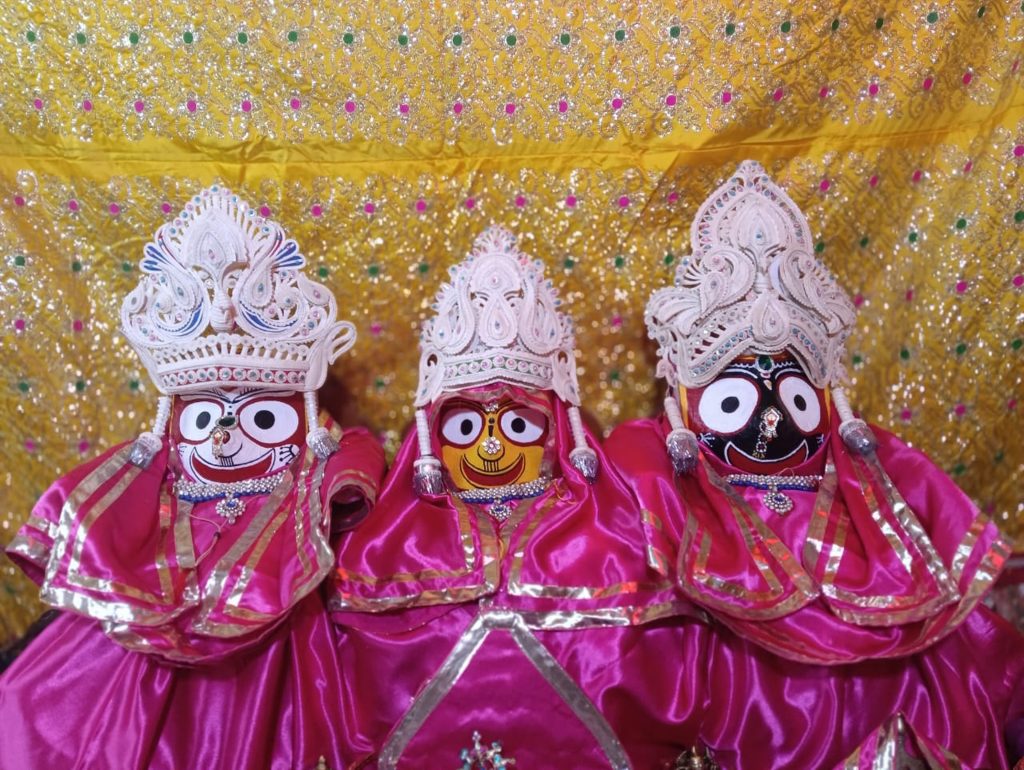
After completing the recovery period, the Lord undergoes Netrotsava, also called the Festival of the Eyes.
Temple artists repaint the eyes of the deities.
This marks the conclusion of the belief that Lord Jagannath fall ill for 15 days and signals His return to public darshan.
Nabayouvana Darshan
Immediately before Rath Yatra comes the highly anticipated Nabayouvana Darshan.
“Nabayouvana” means youthful appearance.
After recovering from illness, Lord Jagannath appears in fresh attire with renewed beauty.
Devotees eagerly wait because Lord Jagannath fall ill for 15 days, making His reappearance even more special.
Connection With Rath Yatra
The recovery period directly precedes the world-famous Rath Yatra.
Only after Lord Jagannath fall ill for 15 days and fully recovers do preparations begin for the chariot festival.
This sequence symbolizes:
- Bath
- Illness
- Healing
- Renewal
- Public appearance
- Divine journey
Importance of Dev Snana Purnima
Dev Snana Purnima represents purification.
The bathing ceremony demonstrates:
- Devotion
- Purity
- Service
- Love
- Faith
Immediately afterward, Lord Jagannath fall ill for 15 days, making the festival spiritually complete.
Religious Importance
The tradition reminds devotees that:
- God understands human suffering.
- Illness is temporary.
- Recovery follows hardship.
- Faith requires patience.
This unique belief distinguishes Jagannath worship from many other traditions.
Temple Rituals Continue
Although devotees cannot see the Lord, temple rituals never stop.
Daily worship includes:
- Bhoga offerings
- Chanting
- Sacred hymns
- Ayurvedic rituals
- Night ceremonies
These continue while Lord Jagannath fall ill for 15 days.
Historical Background
Historians believe these traditions have continued for several centuries.
Ancient temple records describe:
- Dev Snana Purnima
- Anavasara
- Netrotsava
- Rath Yatra
The belief that Lord Jagannath fall ill for 15 days remains an integral part of Jagannath culture.
Cultural Significance
The Jagannath tradition reflects Odisha’s rich cultural heritage.
Artists, musicians, dancers, priests, and devotees participate in these celebrations.
The period of Anavasara creates anticipation for the Lord’s return.
Lessons for Devotees
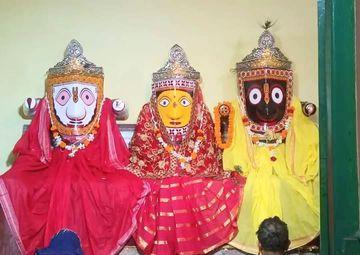
The sacred tradition teaches valuable life lessons:
- Rest is necessary.
- Health should be respected.
- Patience strengthens faith.
- Service is sacred.
- Recovery is part of life.
When Lord Jagannath fall ill for 15 days, devotees remember these timeless teachings.
Why Millions Wait Patiently
The absence of darshan increases devotion rather than reducing it.
Many pilgrims consider waiting itself an act of worship.
The anticipation of seeing the Lord after recovery becomes spiritually rewarding.
Tourism and Economy
Dev Snana Purnima and Rath Yatra attract visitors from across India and abroad.
Hotels, transport services, artisans, flower vendors, and local businesses benefit significantly from the annual pilgrimage season.
Even during the period when Lord Jagannath fall ill for 15 days, Puri remains filled with pilgrims participating in various religious activities.
Conclusion
The sacred belief that Lord Jagannath fall ill for 15 days is one of the most unique and emotionally touching traditions in Hinduism. After the grand Dev Snana Purnima, where Lord Jagannath, Lord Balabhadra, and Devi Subhadra are ceremonially bathed with water from 108 sacred pitchers, the deities are believed to develop a fever and are taken to the Anavasara Griha for rest and Ayurvedic treatment.
During these fifteen days, devotees are unable to have darshan inside the Jagannath Temple, but their faith remains stronger than ever. They patiently await the Lord’s recovery, culminating in the beautiful Nabayouvana Darshan and the world-famous Rath Yatra. This centuries-old tradition beautifully portrays Lord Jagannath as a compassionate deity who shares the experiences of human life, making His bond with devotees even more profound.
Through devotion, patience, and unwavering faith, millions continue to celebrate this sacred journey every year, proving that the period when Lord Jagannath fall ill for 15 days is not merely about illness—it is a powerful reminder of renewal, hope, and divine grace.
read more latest news

