
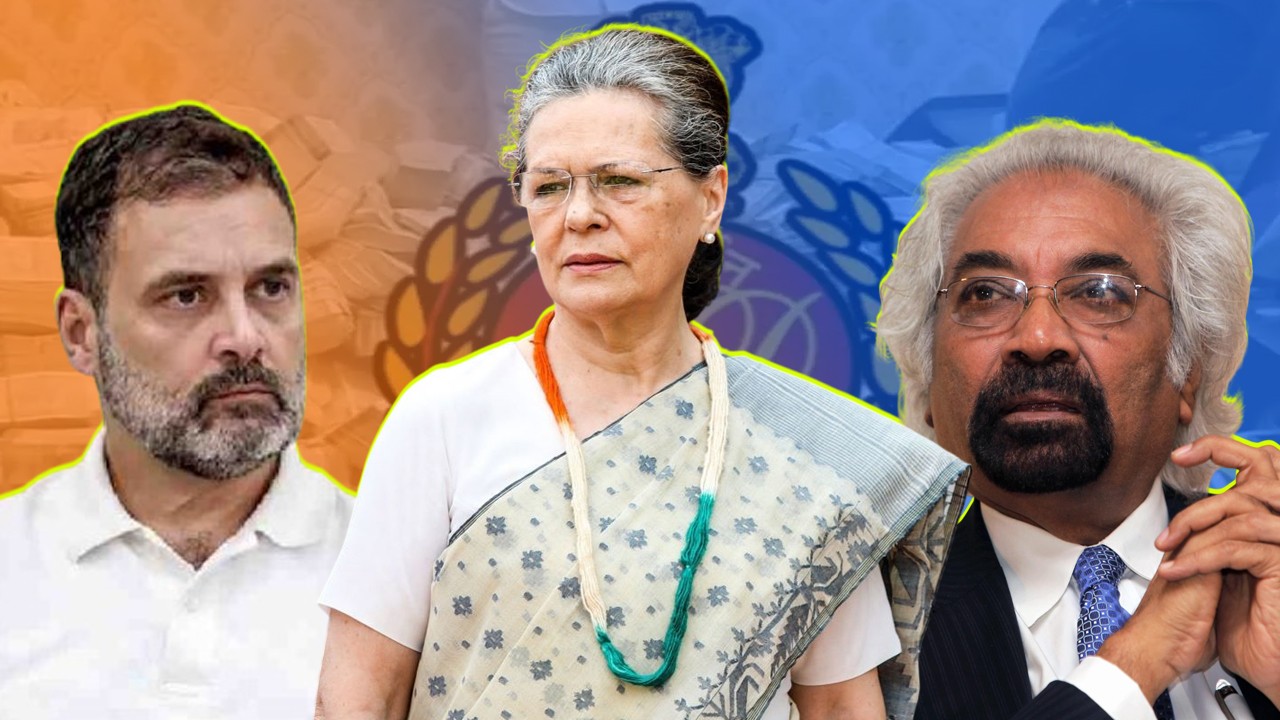
ED Files Chargesheet Against Sonia and Rahul Gandhi in National Herald Money Laundering Case
ED action In a major development that has reignited political tensions, the Enforcement Directorate (ED action) has filed a detailed chargesheet in the high-profile National Herald money laundering case, naming senior Congress leaders Sonia Gandhi and Rahul Gandhi. This move is being seen as one of the most significant actions in a politically sensitive investigation that has been ongoing for over a decade. With national elections approaching, the case has once again sparked debate over alleged misuse of financial resources, political vendetta, and the role of investigative agencies in democratic governance.
Origins of the National Herald Case
The National Herald newspaper, originally founded by India’s first Prime Minister Jawaharlal Nehru in 1938, was once a strong voice of the Indian freedom struggle. It was run by Associated Journals Limited (AJL), a company with deep ties to the Indian National Congress. However, financial troubles forced the publication to shut down in 2008.
In 2012, BJP leader Subramanian Swamy filed a private complaint alleging that Congress party funds were misused to acquire AJL through a newly formed company, Young Indian Pvt Ltd, in which Sonia Gandhi and Rahul Gandhi held majority stakes. Swamy accused the Gandhis of orchestrating a financial scheme to gain control over AJL’s vast real estate assets spread across India, estimated to be worth over ₹5,000 crore, by paying just ₹50 lakh through Young Indian.
ED action Investigation and Recent Chargesheet
The Enforcement Directorate, which investigates economic crimes in India, has been probing the case under the Prevention of Money Laundering Act (PMLA). After multiple rounds of questioning, seizure of documents, and scrutiny of financial records, the ED action has now officially filed a chargesheet against Sonia Gandhi, Rahul Gandhi, and several other senior Congress members including Suman Dubey and Sam Pitroda.

According to the ED action, the Gandhis and others used Young Indian to “illegally” acquire AJL’s assets by taking over its ₹90 crore debt from the Congress Party and converting it into equity. This effectively gave the newly formed Young Indian Pvt Ltd complete control over AJL and its properties. The agency contends that this deal constituted money laundering, breach of trust, and misappropriation of property.
The chargesheet also includes statements from witnesses, forensic audit reports, and a detailed breakdown of financial transactions involving Congress Party funds, AJL’s books, and the structure of Young Indian.
Congress Party’s Reaction
ED action The Congress Party has strongly denied all allegations, calling the ED action action a politically motivated attack meant to harass opposition leaders. Congress spokesperson Jairam Ramesh stated, “This is nothing but an attempt by the ruling party to divert attention from burning issues like unemployment, inflation, and social unrest. Sonia Gandhi and Rahul Gandhi have always upheld the law, and they will fight this legally and politically.”
Many party leaders see this as part of a larger trend where investigative agencies are being used to target dissenting voices. The Congress has also alleged that the case is being reopened and pushed forward at a time when the ruling BJP is under scrutiny for its own financial conduct.
Political and Legal Implications
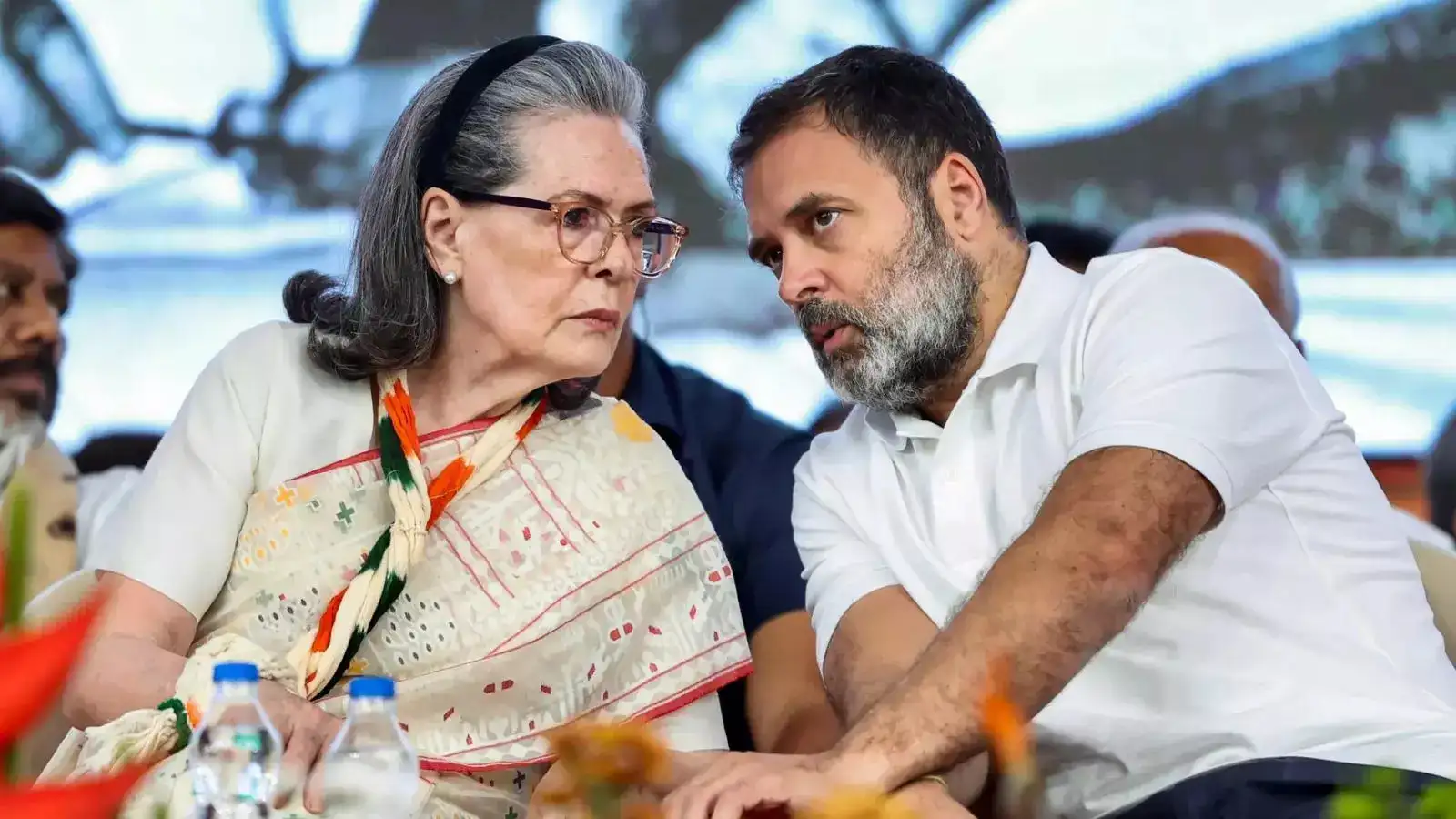
This development comes at a crucial time as the country moves toward the 2024 general elections. Sonia and Rahul Gandhi are central figures in the Congress leadership, and any prolonged legal battle could affect the party’s image and election strategy. It may also deepen the political divide, with the opposition alleging overreach by central agencies.
Legally, if the charges are proven in court, it could lead to significant penalties, including imprisonment for the accused and disqualification from political office. However, the legal process is expected to be long and contentious, involving appeals and hearings in higher courts.
What Lies Ahead?
The next hearing in the case is expected to be scheduled soon, and the court will decide whether to take cognizance of the chargesheet. Meanwhile, the ED action is likely to continue its investigation to trace further financial links and other involved parties. The case also raises questions about the financial dealings of political parties, the use of public funds, and the transparency of nonprofit and media-related entities in India.
Conclusion
The chargesheet filed by the Enforcement Directorate in the National Herald money laundering case is a significant moment in Indian politics and legal history. As the nation watches closely, this case will test the strength of Indian institutions — both in terms of legal accountability and the integrity of its democratic processes. Whether this is a case of genuine financial wrongdoing or a politically charged move to silence opposition leaders, the final word will rest with the judiciary.
Until then, the developments in this case are likely to dominate headlines and political conversations across the country.
read more latest news
