
Differences the Election Commission: Questions Rise Over Internal Dissent and SIR Decision-Making
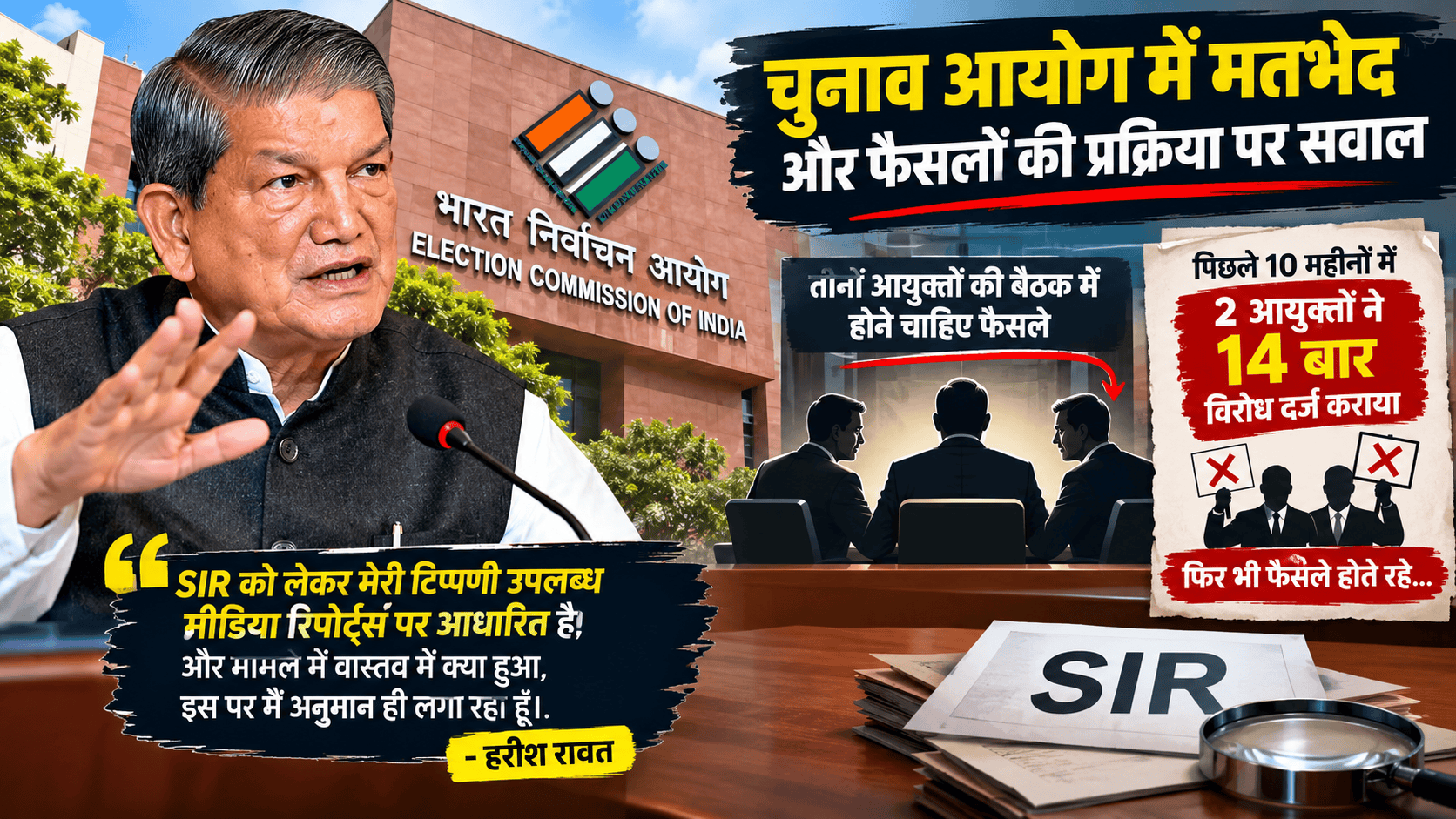
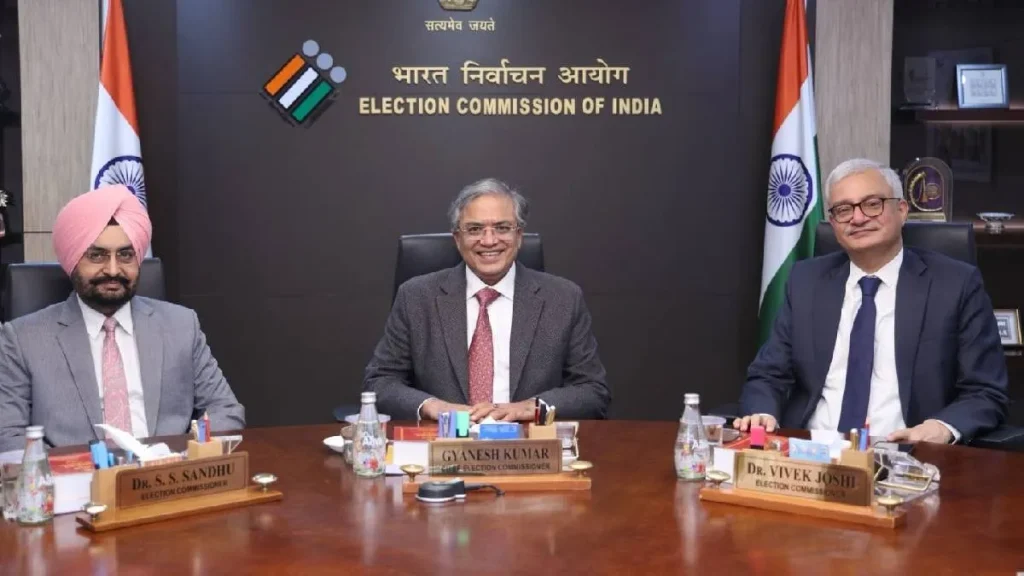
The Differences the Election Commission issue has come into focus following a report that two of the three Election Commissioners formally recorded objections on several occasions over the past 10 months. The report, published by The Indian Express on September 23, said Election Commissioners Sukhbir Singh Sandhu and Vivek Joshi had objected at least 14 times to decisions and orders issued in the name of the poll panel. The report said the objections concerned electoral-roll management, voter additions and deletions, and aspects of the Special Intensive Revision (SIR).
The Differences the Election Commission discussion has emerged at a particularly important time because the SIR exercise is being carried out across several states and Union Territories. The process is intended to update electoral rolls, but it has also generated political and legal debate over voter verification, deletions and the transparency of the process.
Differences the Election Commission Over Decision-Making
The Differences the Election Commission debate centres on how decisions are made within the three-member constitutional body. According to the report, Sandhu and Joshi raised objections on record on at least 14 occasions during a 10-month period. Four objections were reportedly made on a single day. The report said the two commissioners questioned whether certain decisions had been taken without their knowledge.
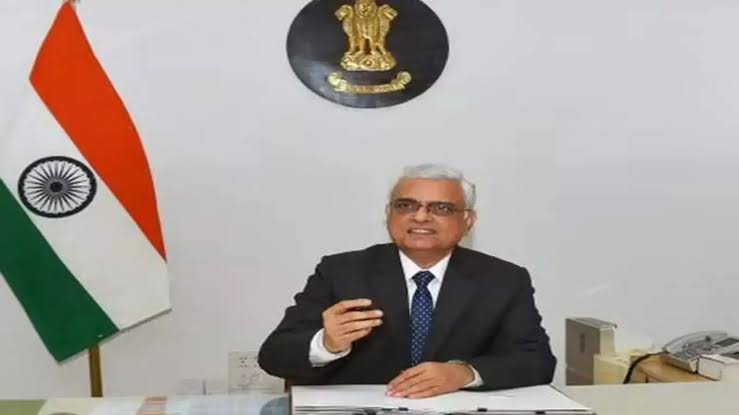
Former Chief Election Commissioner O.P. Rawat has also spoken about the importance of collective decision-making within the Commission. His comments, however, need to be distinguished from the specific allegations in the latest report. Rawat said the Commission’s decisions should be made in meetings involving all three commissioners. He also indicated that his comments regarding the SIR controversy were based on media reports and that he was speculating about what may have happened internally rather than claiming direct knowledge.
The Differences the Election Commission issue therefore involves both reported internal objections and questions about the institutional process through which major electoral decisions are taken.
Differences the Election Commission and the SIR Debate

The Differences the Election Commission controversy is closely linked to the Special Intensive Revision of electoral rolls. SIR has become one of the most closely watched electoral exercises in the country because it involves reviewing voter records and determining whether entries require correction, verification or further action.
The Indian Express report said the objections raised by Sandhu and Joshi involved matters including changes to Form 6, access and control of electoral-roll technology, voter deletions and appeals, and questions concerning the addition of eligible voters.
At the same time, the Election Commission has rejected the suggestion that its decisions were divided. According to an Election Commission clarification reported on September 23, all decisions taken by the poll panel, including those concerning SIR, had the approval of all three commissioners. The Commission maintained that its decisions were unanimous.
This creates an important distinction in the Differences the Election Commission story: media reports have described formal objections recorded by two commissioners, while the Commission has said the decisions themselves were approved unanimously.
Differences the Election Commission: What Did the Commissioners Object To?
The Differences the Election Commission report has drawn attention because the reported objections were not limited to one isolated administrative matter. According to the Indian Express, the concerns covered voter registration, deletion of names, electoral-roll software and the handling of voter data.
One area mentioned in the report involved Form 6, which is used for applications for inclusion of names in electoral rolls. Another concerned the centralisation of controls relating to the electoral-roll database. The report also referred to questions about decisions involving voter deletions and appeals in West Bengal and the addition of eligible voters in Goa.
These issues are important because electoral-roll management directly affects the process through which citizens are registered as voters and maintain their entries in the electoral database.
The Differences the Election Commission story has consequently brought greater public attention to the internal working of the poll panel and the mechanisms through which disagreements among commissioners are recorded and resolved.
Differences the Election Commission and O.P. Rawat Comments
The Differences the Election Commission discussion also includes remarks by former Chief Election Commissioner O.P. Rawat. Rawat has spoken publicly about SIR on several occasions and has stressed the importance of electoral-roll revision while also raising concerns about how such exercises are conducted.
In a September 21 interview with Hindustan Times, Rawat questioned the transparency of the “logical discrepancy” category being used during Delhi’s SIR and discussed the difficulties ordinary voters could face while responding to notices.
However, the specific comments referred to in the present debate should be understood carefully. Rawat was not a member of the current three-member Commission, and his remarks about the reported internal disagreements were based on media reports rather than firsthand participation in the Commission’s meetings.
The Differences the Election Commission issue therefore should not be presented as proof of a particular internal event beyond what has been reported or officially confirmed.
Differences the Election Commission and Transparency Questions
The Differences the Election Commission controversy has also raised broader questions about institutional transparency. The central issue is not simply whether commissioners disagree. Differences of opinion can occur within any multi-member institution. The question is how those differences are recorded, considered and resolved before an official decision is issued.
The latest report said the two commissioners had formally recorded objections to several actions. Meanwhile, the Commission’s response said that all decisions had the approval of all three commissioners.
The contrasting accounts mean that readers should distinguish between reported dissent on specific administrative steps and the Commission’s position that its final decisions were unanimous.
The Differences the Election Commission debate is particularly significant because public confidence in electoral institutions depends not only on the final decisions but also on clear procedures and communication about how those decisions are reached.
Differences the Election Commission: Supreme Court Scrutiny of SIR
The Differences the Election Commission issue has developed alongside judicial scrutiny of the SIR process. On September 22, the Supreme Court raised questions about notices issued to voters in Delhi under the “logical discrepancies” category and sought an explanation from the Election Commission regarding the basis for such notices. The Court also discussed whether voters should be allowed to respond through channels such as email and WhatsApp.
The judicial proceedings are separate from the reported internal objections among the commissioners, but together they demonstrate the level of attention currently being given to electoral-roll management.
The Differences the Election Commission story therefore forms part of a wider discussion about voter-list revision, administrative safeguards, transparency and institutional decision-making.
Differences the Election Commission: What Happens Next?
The Differences the Election Commission controversy is likely to remain under public discussion as more details about the reported objections and the Commission’s response emerge. At present, there are two important sets of information: the media report describing 14 recorded objections by Sandhu and Joshi, and the Election Commission’s clarification that its decisions, including those concerning SIR, were unanimous.
The Differences the Election Commission debate also highlights why official documentation and transparent explanations matter when questions arise about electoral procedures. For voters, political parties and civil-society organisations, clarity about the rules and decision-making process can help distinguish verified institutional actions from speculation or political interpretation.
Ultimately, the Differences the Election Commission issue is about the functioning of one of India’s key constitutional institutions. The reported objections, the Commission’s response and the ongoing judicial scrutiny of SIR are separate developments that should be considered together but not treated as identical claims.
The Differences the Election Commission controversy will likely continue to attract attention as the SIR process advances and additional information becomes available. For now, the documented position is that two commissioners reportedly raised objections on 14 occasions over 10 months, while the Election Commission has maintained that its decisions received the approval of all three commissioners.
Read more latest news

