
Delhi Blast Near Red Fort: Massive Car Explosion Sparks Panic Across the Capital
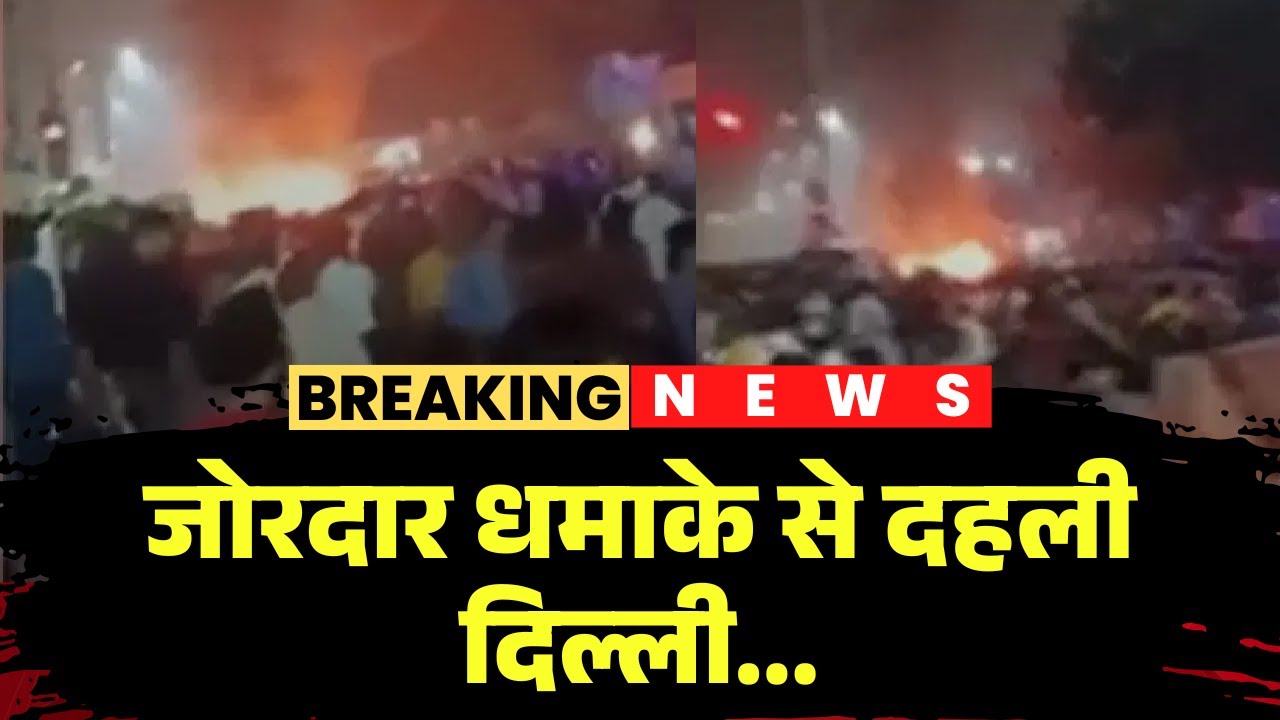
The Delhi blast that shook the area near the historic Red Fort has left the capital in shock and disbelief. According to initial reports, a car explosion occurred late in the evening, leading to widespread panic and chaos in the vicinity. Two to three people were reportedly injured in the Delhi blast, and the fire that followed engulfed three other vehicles parked nearby. The incident, which took place close to one of Delhi’s most visited tourist landmarks, has prompted serious questions about security preparedness in the national capital.
The Shocking Incident Near Red Fort
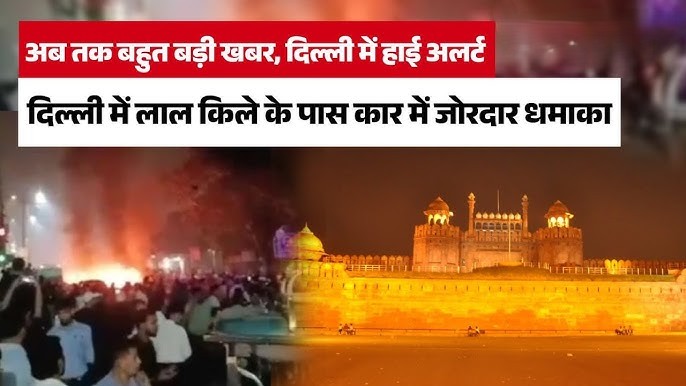
The Delhi blast occurred around 7:45 PM near the Red Fort metro station, an area that usually remains busy even during late evening hours due to tourists, commuters, and locals. Eyewitnesses described the terrifying moments that followed. “The sound was so loud that for a second, everyone froze,” said an auto-driver who was waiting for passengers nearby. “When we rushed closer, we saw flames rising from a car. Within seconds, the fire spread to other vehicles. It was chaos.”
Videos of the Delhi blast quickly went viral on social media, showing flames leaping into the sky and people running in panic. The Delhi Fire Service received multiple calls about the explosion, and within minutes, fire tenders were dispatched to the scene. Police immediately cordoned off the area to prevent further casualties and to secure evidence from the site.
Immediate Response from Authorities
The Delhi Police, along with the National Security Guard (NSG) and National Investigation Agency (NIA), swiftly reached the location. The Delhi blast site was declared a high-alert zone, and forensic teams began collecting samples to determine the cause of the explosion.
Home Minister Amit Shah was briefed on the situation within minutes. He directed officials to ensure that the injured received the best possible treatment and that the investigation be completed at the earliest. “The Delhi blast is a matter of grave concern. We will get to the bottom of this,” said Amit Shah in a statement issued later that night.
Firefighters worked relentlessly for nearly an hour to control the blaze. Eyewitnesses said that the sound of minor explosions continued as the fire reached nearby vehicles. It took six fire engines to completely douse the flames. Thankfully, no major fatalities were reported, though two to three people sustained burn injuries and were immediately rushed to LNJP Hospital.
Scenes from LNJP Hospital
Soon after the Delhi blast, the injured victims were brought to LNJP Hospital, one of the city’s major trauma centers. Doctors and emergency staff were on high alert as ambulances kept arriving. A sense of fear and tension gripped the hospital corridors as relatives of those injured gathered, anxiously waiting for updates.
Later in the night, Home Minister Amit Shah personally visited LNJP Hospital to meet the injured victims of the Delhi blast. He spoke to doctors, reviewed their treatment, and assured families that the government would provide all assistance. “The nation stands with those affected by the Delhi blast,” Amit Shah said after his visit, adding that a detailed report on the incident had been sought from the Delhi Police Commissioner.
Eyewitness Accounts Reveal Panic and Confusion
Eyewitness testimonies are painting a clearer picture of the moments surrounding the Delhi blast. Local shopkeepers said they initially thought a transformer had burst, but within seconds, thick smoke covered the area. “When we ran toward the noise, we saw body parts and debris scattered on the road. It was terrifying,” said a shop owner whose stall was just 50 meters from the explosion site.
Another witness recalled how the fire spread rapidly. “The first car exploded, and then flames engulfed three more vehicles. It was like a scene from a movie,” he said. “People were screaming and running for safety.”
The Delhi blast left behind a trail of destruction—charred vehicles, shattered glass, and burnt debris littered the road. Forensic teams spent hours collecting samples, including fragments of the car, to determine if the explosion was caused by a fuel leak, an improvised explosive device (IED), or some other source.
Possible Causes Under Investigation
Authorities are exploring multiple angles behind the Delhi blast. Initial forensic reports suggest that the explosion originated inside a car, possibly near the fuel tank area. However, the intensity of the blast and the spread of fire have raised doubts about whether it was accidental or intentional.
A senior police official involved in the investigation said, “We cannot rule out any possibility. The Delhi blast happened in a sensitive zone near the Red Fort, a heritage monument that has always been under high security. Every aspect—mechanical failure, sabotage, or even a terror link—is being examined carefully.”
Sources within the NIA indicated that chemical residues collected from the site would be tested at a government laboratory. If traces of explosives are found, it could point toward deliberate planning behind the Delhi blast.
Security Tightened Across the Capital
Following the Delhi blast, security across the city was heightened. Checkpoints were established near metro stations, government buildings, and popular markets. Police personnel conducted surprise checks on vehicles and increased patrols, especially in and around central Delhi.
The Delhi blast has also prompted intelligence agencies to reassess potential threats ahead of major national events and public gatherings. Security agencies were instructed to stay on high alert, particularly in areas with heavy tourist movement such as India Gate, Connaught Place, and Chandni Chowk.
Delhi Chief Minister Arvind Kejriwal expressed deep concern over the Delhi blast, tweeting that such an incident in the heart of the capital was “unacceptable” and must be thoroughly investigated. He assured cooperation with central agencies in ensuring justice for the victims.
Political Reactions and National Concern
As news of the Delhi blast spread, leaders from various political parties condemned the incident and called for unity against such threats. Congress leader Rahul Gandhi expressed solidarity with the victims, stating, “The Delhi blast is a grim reminder that public safety must always be the government’s top priority.”

BJP spokespersons emphasized that the government would ensure those responsible face the harshest punishment. Opposition parties, however, demanded an independent inquiry, citing lapses in urban security and the need for better surveillance systems around heritage sites.
Impact on Residents and Public Sentiment
For residents of Delhi, the Delhi blast reignited memories of past terror incidents that once shook the capital. The psychological impact was immediate—people expressed fear about venturing near crowded places. Shopkeepers in the Red Fort area reported lower footfall the next day, and local businesses temporarily shut down in solidarity with those affected.
Taxi drivers and delivery agents in the vicinity said that police checks had increased significantly after the Delhi blast, slowing down traffic but reassuring citizens of enhanced security. “At least now we know the authorities are alert,” one commuter remarked.
The Symbolic Importance of the Location
The Delhi blast near Red Fort carries not just physical damage but also symbolic significance. The Red Fort is not only a UNESCO World Heritage Site but also a political and cultural symbol where India’s Independence Day is celebrated every year. A security breach or explosion near such an iconic monument naturally raises questions about how such an incident could occur despite heavy vigilance.
Experts say that the Delhi blast should serve as a wake-up call to improve coordination between local police, intelligence agencies, and fire services. “It’s not just about one incident—it’s about preventing future ones,” said a retired IPS officer.
Emergency Response and Coordination
The quick response from Delhi Fire Service and police helped prevent a bigger tragedy. Within minutes of receiving calls about the Delhi blast, emergency teams reached the site and began rescue operations. Firefighters ensured nearby fuel stations were closed immediately to avoid secondary explosions.
Paramedics worked tirelessly to stabilize victims before transferring them to hospitals. Their quick coordination with police and volunteers saved lives. Authorities later praised citizens who helped in the immediate aftermath of the Delhi blast, especially those who assisted in moving the injured before ambulances arrived.
Forensic Findings and Ongoing Investigation
As the investigation progresses, forensic experts are piecing together clues from the charred remains of vehicles. Early findings suggest traces of accelerants that could have intensified the fire. However, there is still no official confirmation about whether the Delhi blast was an accident or deliberate.
Investigators are analyzing CCTV footage from nearby roads and metro stations to track any suspicious movements before the explosion. Police sources revealed that the owner of the car involved in the Delhi blast has been identified and questioned, though they have not been arrested as of yet.
Experts from the NSG’s bomb disposal unit are also assisting in the investigation to verify if any components of an IED were present at the site.
A Nation’s Reflection: Lessons from the Delhi Blast
Every tragedy offers lessons, and the Delhi blast has highlighted once again the need for stronger preventive measures. Despite advances in surveillance and policing, gaps in urban safety persist. From parking regulations to fuel inspection standards, the incident underscores the importance of vigilance.
Urban security analysts argue that cities like Delhi, with dense populations and critical landmarks, must constantly upgrade security systems. The Delhi blast serves as a reminder that public awareness and community participation are as crucial as law enforcement efforts.
The Human Side of the Tragedy
Beyond investigations and headlines, the Delhi blast has left emotional scars. For those who witnessed the explosion, the shock lingers. Victims battling burn injuries at LNJP Hospital recount moments of horror—the sudden explosion, the blinding light, the heat, and the cries for help. Families of the injured say they will never forget the trauma.
Civil society organizations have stepped forward to help victims recover physically and mentally. Counseling sessions are being organized for those traumatized by the Delhi blast, and NGOs have begun fundraising campaigns to assist with medical expenses.
Public Appeals for Calm and Cooperation
Authorities have appealed to the public not to spread rumors or unverified information on social media. After the Delhi blast, several fake videos began circulating online, forcing police to issue statements clarifying facts. Officials urged citizens to rely on official channels for updates and to report suspicious activities without panic.
Conclusion: Delhi Blast a Reminder of Urban Vulnerabilities
The Delhi blast near the Red Fort stands as a grim reminder that even the most secure cities remain vulnerable to unforeseen tragedies. Whether the explosion was accidental or planned, it has shaken the sense of safety that residents often take for granted.
As investigations continue, Delhi must reflect on the lessons from this incident—strengthening emergency response, upgrading surveillance, and ensuring accountability. The spirit of Delhi, however, remains unbroken. The same resilience that the city has shown through countless challenges once again shines through, as citizens come together to help victims and restore calm.
The Delhi blast may have left behind smoke and ashes, but it also reignited a collective resolve—to stand united, vigilant, and compassionate in the face of adversity.
Read more latest news

