

Danger Before Kedarnath Yatra! Dangerous Virus Found in 12 Mules, Administration on Alert
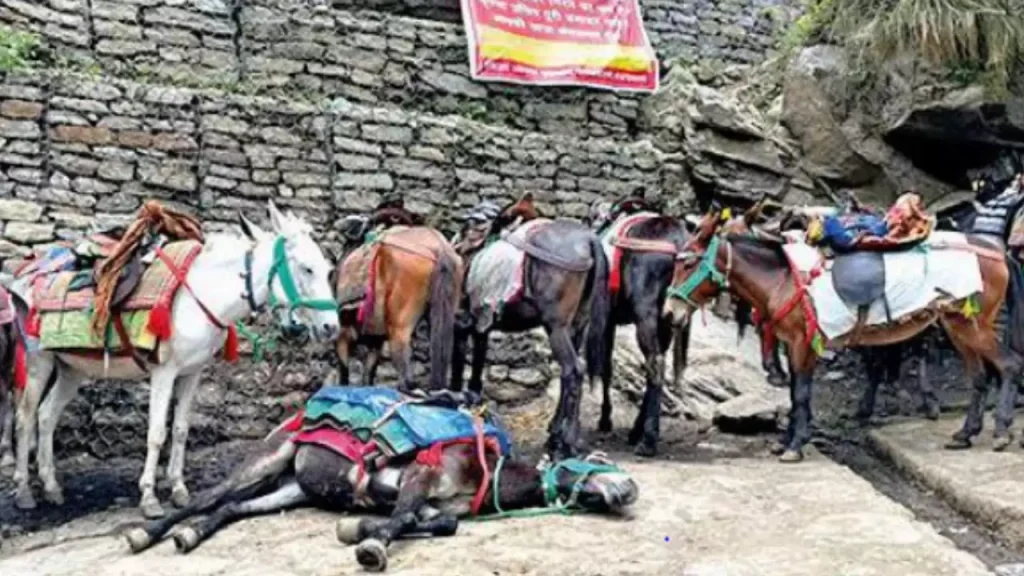
The Kedarnath Yatra, one of the most revered pilgrimages for Hindus, is facing an unexpected threat this year. Authorities have detected a dangerous virus in 12 mules used for transporting pilgrims and supplies, putting the entire Yatra at risk. This alarming discovery has raised serious concerns about the safety of pilgrims and workers, leading the administration to take immediate precautionary measures.
The Importance of Kedarnath Yatra
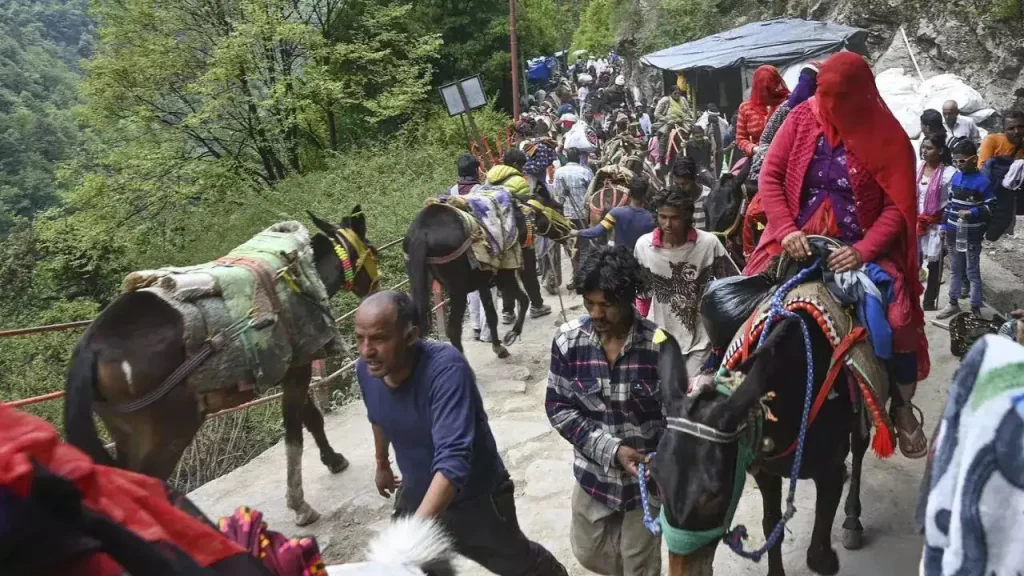
Kedarnath, one of the Char Dham pilgrimage sites, attracts millions of devotees every year. Nestled in the Himalayas, the temple dedicated to Lord Shiva is not just a religious site but also a symbol of faith and devotion. Due to the challenging terrain, mules play a crucial role in the Yatra, carrying pilgrims, luggage, and essential goods. Any disruption to this transport system can create logistical nightmares and pose serious risks to public health and safety.
The Virus Outbreak: What We Know So Far
The discovery of the virus in 12 mules has sent shockwaves through the administration and pilgrims alike. Here’s what we know so far:
- Nature of the Virus: Early reports suggest that the virus could be a zoonotic disease, meaning it has the potential to spread from animals to humans.
- Symptoms in Mules: The infected animals showed symptoms such as fever, respiratory distress, fatigue, and loss of appetite.
- Source of Infection: Experts believe that the infection may have originated from unhygienic conditions, exposure to other sick animals, or contaminated food and water sources.
- Potential Spread: Since mules are in direct contact with humans, there is a possibility that the virus could affect people involved in the Yatra, including tourists, handlers, and vendors.
Immediate Steps Taken by the Administration
The authorities have sprung into action to prevent the situation from escalating. The following measures have been implemented:
- Isolation of Infected Mules: The 12 affected mules have been quarantined to prevent further spread of the virus.
- Veterinary Health Checks: A team of veterinary experts has been deployed to examine all mules in the Kedarnath region.
- Sanitization Drives: The administration is conducting disinfection drives along the Yatra route, particularly in mule resting areas.
- Health Advisory for Pilgrims: Tourists and handlers have been advised to maintain hygiene, avoid direct contact with animals, and wear masks as a precaution.
- Suspension of Some Mule Services: Authorities are considering limiting the number of mules allowed to operate until further notice.
- Coordination with Health Departments: The administration is in close contact with health officials to monitor any signs of illness among humans in the area.
How Could This Affect Pilgrims?
The Kedarnath Yatra involves thousands of devotees walking or riding mules through difficult terrain. The virus outbreak could pose several challenges:
- Health Risks: If the virus spreads to humans, it could lead to an outbreak among pilgrims and workers.
- Travel Delays: With authorities restricting mule transport, pilgrims may face delays in reaching the temple.
- Increased Costs: Alternative means of transportation, such as helicopters, could become more expensive due to higher demand.
- Stricter Regulations: Authorities may impose health screenings or other checks before allowing pilgrims to proceed.
What Pilgrims Should Do to Stay Safe
To ensure a safe pilgrimage, visitors should take the following precautions:
- Avoid Direct Contact with Animals: Do not touch or feed mules along the route.
- Follow Hygiene Practices: Wash hands frequently and use hand sanitizers.
- Wear Protective Gear: Masks and gloves can help reduce exposure to potential infections.
- Choose Safer Transport Options: Consider using palkis (palanquins) or helicopters if possible.
- Stay Informed: Follow official updates from local authorities regarding safety measures and restrictions.
The Economic and Environmental Impact
Beyond health risks, the virus outbreak could also have economic and environmental consequences:
- Impact on Local Livelihoods: Many locals depend on mule transport for their income. A restriction on their services could lead to financial hardship.
- Tourism Slowdown: Fear of infection might deter some tourists from undertaking the Yatra, affecting businesses in the region.
- Environmental Concerns: Dead or sick mules must be handled properly to prevent environmental contamination and further disease spread.
Expert Opinions on the Outbreak
Veterinarians and health experts are urging immediate action to prevent a full-blown crisis. Some key recommendations include:
- Mass Testing of Mules: Conducting widespread testing to identify any more infected animals.
- Strict Hygiene Measures: Enforcing better sanitation standards in animal shelters and along the Yatra route.
- Vaccination Drives: If a vaccine is available for the virus, authorities should consider administering it to prevent future outbreaks.
- Collaboration with Animal Welfare Organizations: Working with experts to ensure the humane treatment of infected mules.
What Happens Next?
The situation remains fluid, and authorities are closely monitoring developments. The next few weeks will be crucial in determining whether the Kedarnath Yatra proceeds as planned or if further restrictions will be imposed.
- If the virus is contained, normal services may resume with additional health precautions.
- If more cases emerge, stricter measures—including possible travel bans—could be implemented.
- Authorities may also introduce alternative transport options or increase helicopter services to ensure pilgrims can complete their journey safely.
Final Thoughts: A Test of Faith and Preparedness
The Kedarnath Yatra is not just a religious journey; it is a testament to the faith and resilience of devotees. This recent virus outbreak has added an unexpected challenge, testing the preparedness of the administration and the patience of pilgrims. While the authorities are doing their best to control the situation, it is essential for everyone involved to cooperate and follow safety guidelines.
As we await further updates, one thing is clear: the spirit of the Yatra remains unshaken. Devotees, locals, and officials must work together to overcome this challenge, ensuring that faith and safety go hand in hand. The coming days will determine whether this crisis is successfully managed or if it leads to further disruptions in one of India’s most sacred pilgrimages.
read more latest news

