
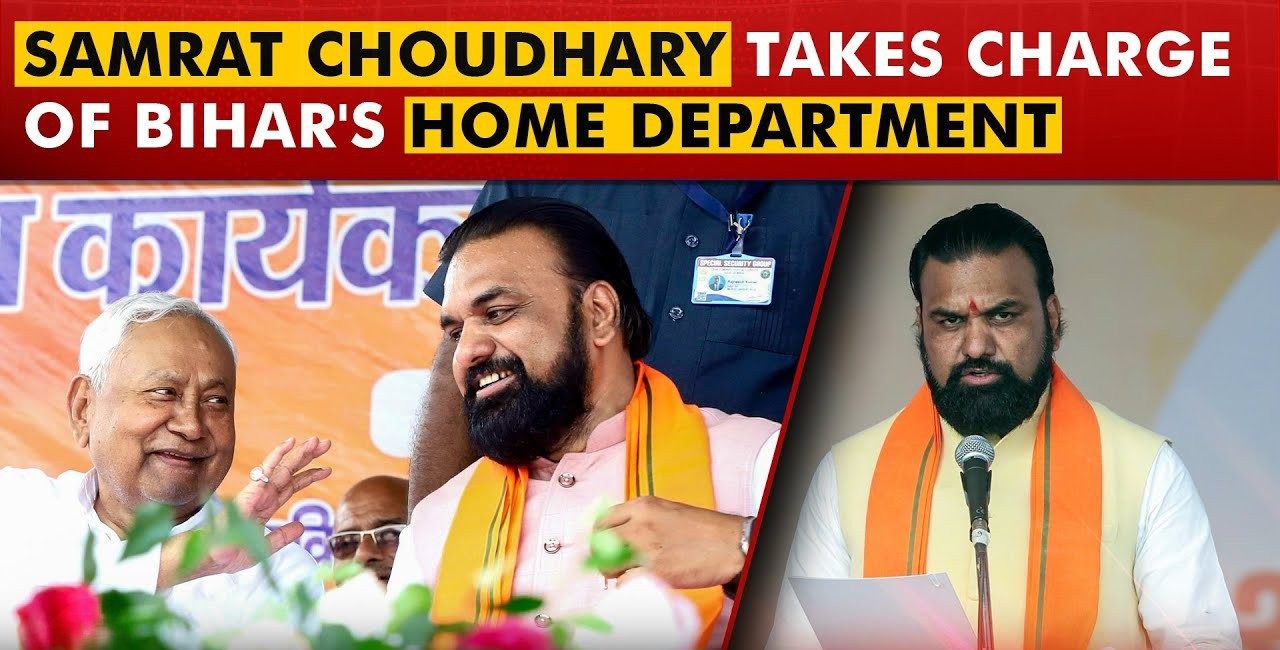
CM Samrat Keeps Home Department: Power Concentrated as Bihar Cabinet Portfolios Finalized
The phrase CM Samrat keep Home Department is not just a headline—it represents a strategic decision that could define the success or failure of the current administration.
The long-awaited distribution of portfolios in the Bihar government has finally been announced, bringing clarity to the administrative structure and political balance within the ruling alliance. At the center of this development stands Samrat Chaudhary, who has emerged as the most powerful figure in the state cabinet after retaining control over a remarkable 29 ministries, including the crucial Home Department. This decision underscores the growing centralization of authority in the Chief Minister’s office and signals a decisive leadership style aimed at streamlined governance.
The allocation also reflects the political dynamics between coalition partners, particularly the role of Janata Dal (United) (JDU), which has secured control over 18 ministries. The final distribution highlights both cooperation and competition within the alliance, shaping the future trajectory of governance in Bihar.
Concentration of Power: CM Samrat Keeps Home Department
One of the most significant aspects of the cabinet allocation is the decision that CM Samrat keeps Home Department under his direct supervision. The Home Department is widely regarded as one of the most powerful ministries in any state government, as it oversees law enforcement, internal security, intelligence coordination, and public order.
By choosing to retain this portfolio, Samrat Chaudhary has sent a strong message about his priorities. Law and order have long been a politically sensitive issue in Bihar, and the Chief Minister’s direct control over the Home Department suggests a hands-on approach to governance. This move is likely aimed at improving administrative efficiency, ensuring accountability, and strengthening the state’s security framework, CM Samrat keep Home Department
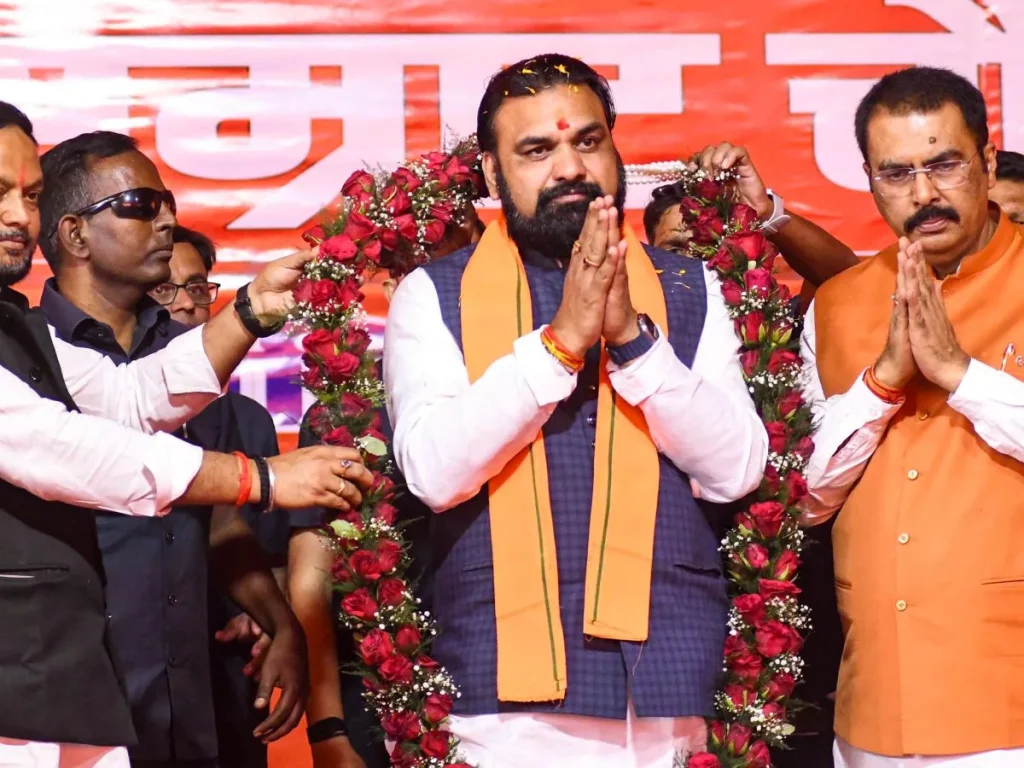
Managing 29 Ministries A Bold Leadership Move
Beyond the Home Department, Samrat Chaudhary will oversee a total of 29 ministries, making him one of the most administratively engaged Chief Ministers in recent times. This level of responsibility is both ambitious and challenging.
Handling such a large number of departments allows the Chief Minister to maintain tight control over key policy areas, including infrastructure, development, governance reforms, and public welfare. However, it also raises questions about administrative bandwidth and the ability to effectively manage such a wide range of responsibilities.
Supporters argue that this concentration of power ensures faster decision-making and reduces bureaucratic delays. Critics, on the other hand, caution that over-centralization may lead to inefficiencies or reduced autonomy for other ministers.
Still, the repeated emphasis that CM Samrat keep Home Department highlights the central theme of this cabinet formation—strong, centralized leadership.
JDU Retains 18 Ministries Coalition Balance Maintained
While the Chief Minister holds the majority of ministries, the allocation also reflects the importance of coalition politics. The JDU retaining 18 ministries indicates that the alliance partner continues to play a significant role in governance.
This distribution suggests a careful balancing act. On one hand, Samrat Chaudhary consolidates power within his office; on the other, he ensures that JDU remains a key stakeholder in the government. Such arrangements are essential for maintaining political stability, especially in a state like Bihar where coalition governments are common.
The inclusion of JDU in major ministries also ensures that governance remains collaborative rather than unilateral. However, the fact remains that CM Samrat keep Home Department places ultimate control of law and order firmly in his hands.
Political Implications of the Portfolio Distribution
The finalization of portfolios is not just an administrative step—it carries deep political implications. The decision that CM Samrat keep Home Department signals confidence in his leadership and a desire to directly influence critical aspects of governance.
This move could strengthen his political standing within the party and among the जनता (public), particularly if improvements in law and order become visible. It also positions him as a decisive leader who is willing to take responsibility rather than delegate it.
At the same time, such concentration of power may invite scrutiny from opposition parties, who may question whether this approach undermines democratic decentralization.
Governance Priorities Moving Forward
With such a significant share of ministries under his control, Samrat Chaudhary’s governance priorities will be closely watched. Key areas likely to receive attention include:
- Law and order reforms
- Infrastructure development
- Employment generation
- Rural and urban development
- Administrative transparency
The decision that CM Samrat keep Home Department will particularly influence policing reforms and internal security measures. Any improvement—or failure—in these areas will directly impact the Chief Minister’s political credibility.

Challenges Ahead
While the portfolio allocation provides clarity, it also presents several challenges:
1. Administrative Overload
Managing 29 ministries is no small task. Even with efficient bureaucratic support, ensuring effective oversight across departments will require exceptional coordination.
2. Coalition Management
Balancing the expectations of JDU while maintaining authority will be a delicate task. Political friction could arise if power-sharing is perceived as unequal.
3. Public Expectations
The public will expect quick results, especially in areas like law and order. Since CM Samrat keep Home Department, accountability will rest directly with him.
4. Opposition Pressure
Opposition parties are likely to closely monitor decisions and highlight any shortcomings, particularly regarding centralized control.
Strategic Significance of Retaining Home Department
The Home Department is often considered the backbone of state governance. By ensuring that CM Samrat keep Home Department, the government is emphasizing:
- Direct control over policing
- Faster response to law-and-order issues
- Stronger coordination between departments
- Enhanced political accountability
This move aligns with a governance model where the Chief Minister acts as both a political leader and an administrative anchor.
Public and Political Reactions
The announcement has generated mixed reactions across political circles and among the जनता.
Supporters view the decision as a bold and necessary step toward strong governance. They believe that when CM Samrat keep Home Department, it ensures direct accountability and faster decision-making.
Critics, however, argue that such concentration of power could sideline other leaders and reduce collective decision-making. They emphasize the importance of distributing responsibilities to ensure balanced governance.

The Road Ahead for Bihar
As Bihar moves forward under this new administrative structure, the effectiveness of governance will depend on how well the Chief Minister manages his extensive responsibilities.
The repeated emphasis that CM Samrat keep Home Department will remain a defining feature of this government. It symbolizes authority, responsibility, and the expectations placed on Samrat Chaudhary’s leadership.
If successful, this model could set a precedent for strong, centralized governance in coalition setups. If not, it could become a case study in the risks of over-centralization.
Conclusion
The finalization of cabinet portfolios in Bihar marks a crucial moment in the state’s political journey. With Samrat Chaudhary taking charge of 29 ministries and ensuring that CM Samrat keep Home Department, the government has clearly opted for a leadership-driven governance model.
At the same time, the allocation of 18 ministries to Janata Dal (United) reflects the realities of coalition politics and the need for balance.
The coming months will reveal whether this approach leads to efficient governance and political stability or presents new challenges. One thing is certain—the decision that CM Samrat keep Home Department will remain at the heart of Bihar’s political discourse for the foreseeable future.
Read more latest news

