
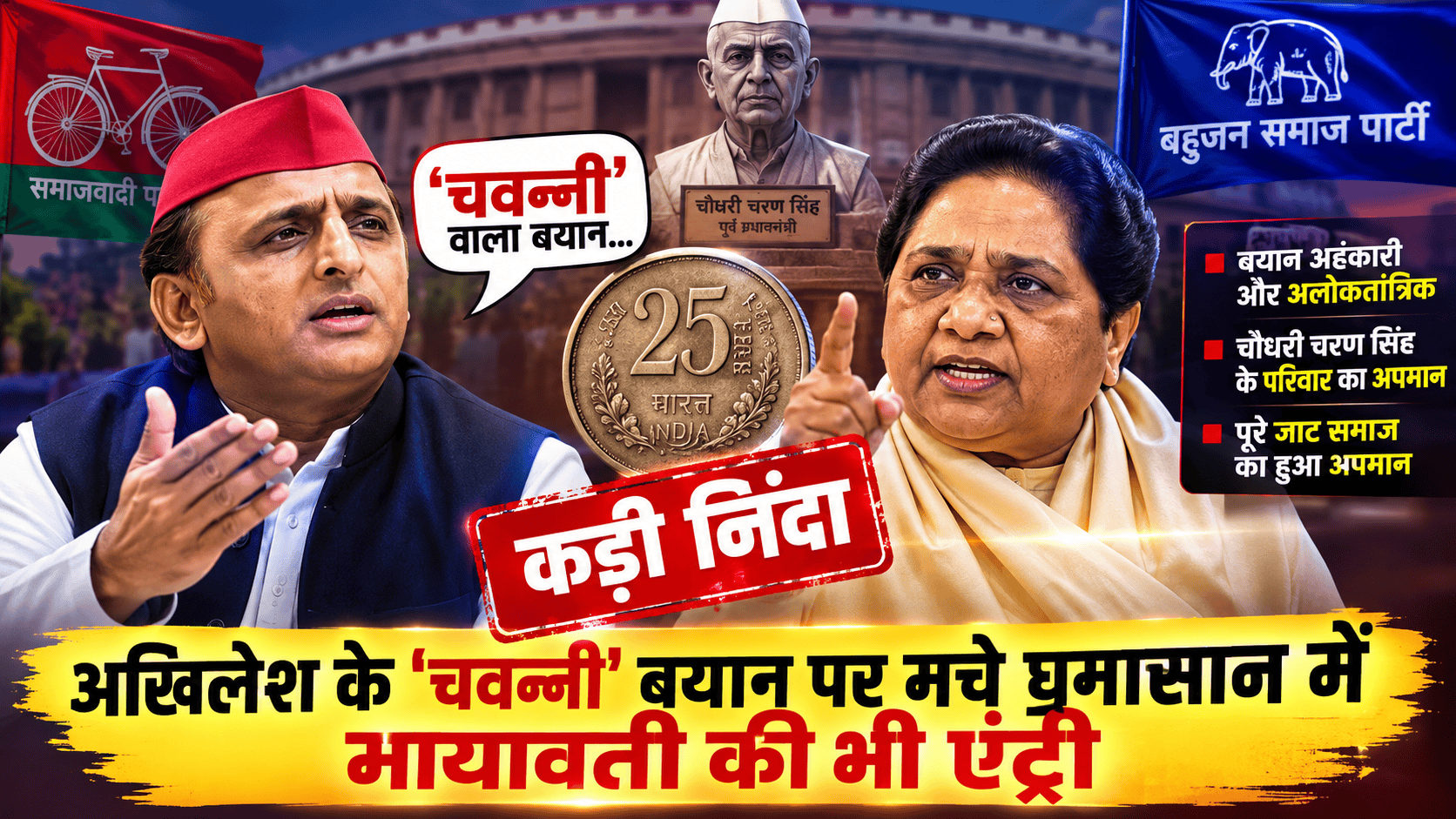
BSP Chief Mayawati Condemns Akhilesh Yadav’s ‘Chavanni’ Remark, Calls It Arrogant and Undemocratic
BSP chief Mayawati strongly condemned the statement, describing it as arrogant and undemocratic. She also argued that the remark was not merely a political comment but could be viewed as an insult to the family of former Prime Minister Chaudhary Charan Singh and, more broadly, to the Jat community. A fresh political controversy has erupted in Uttar Pradesh after Bahujan Samaj Party (BSP) chief Mayawati reacted strongly to the controversial ‘chavanni’ or 25-paise coin remark attributed to Samajwadi Party (SP) national president and former Chief Minister Akhilesh Yadav.
The controversy has added another dimension to the already competitive political environment in Uttar Pradesh. Relations among major political parties in the state have frequently been marked by sharp exchanges, criticism and counter-criticism. The latest dispute has once again brought the political debate surrounding Akhilesh Yadav, the Samajwadi Party and the BSP into the spotlight.
Mayawati Strongly Objects to the Remark
According to the statement attributed to her, BSP chief Mayawati took serious exception to Akhilesh Yadav’s ‘chavanni’ remark. She characterized the language as disrespectful and questioned the political tone behind such a statement. Her reaction indicates that the controversy is no longer limited to a disagreement between individual political leaders but has expanded into a broader debate about political language and respect for social communities.
Mayawati has remained a prominent political figure in Uttar Pradesh for decades. As the head of the Bahujan Samaj Party, her statements often attract attention, particularly when they concern other major political parties in the state. In this case, BSP chief Mayawati used the controversy to raise concerns about what she described as arrogance and undemocratic political conduct.
The ‘chavanni’ reference has become a major talking point because of its symbolic meaning. A 25-paise coin has long been associated with something considered small or of little value. In political rhetoric, such expressions can carry a dismissive tone, which is why the remark has triggered criticism from opponents.
Reference to Chaudhary Charan Singh’s Family
One of the central points raised by BSP chief Mayawati was the alleged impact of the remark on the family of former Prime Minister Chaudhary Charan Singh. Singh remains an influential figure in the political history of northern India and is particularly associated with farmers and the Jat community.
Mayawati argued that comments directed at a political family connected with such a prominent historical figure should be made with greater restraint. Her criticism has therefore expanded the controversy beyond the immediate exchange between political leaders.
For BSP chief Mayawati, the issue is also connected with respect for the social identity and sentiments of the Jat community. She suggested that the language used by Akhilesh Yadav could be interpreted as disrespectful toward a wider community rather than simply being a political attack.
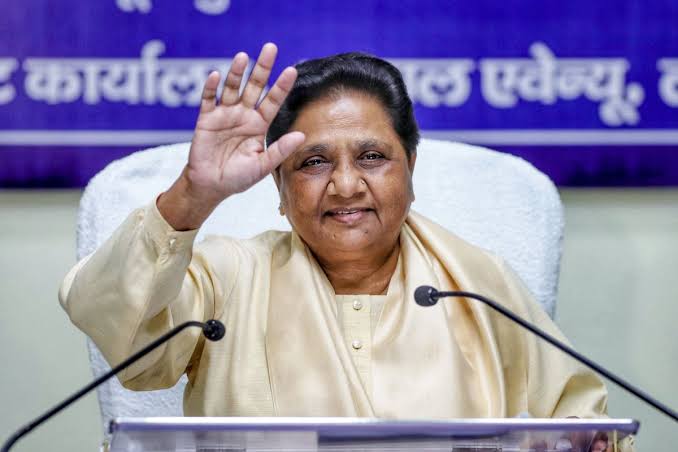

Jat Community Becomes Part of the Debate
The controversy has acquired additional significance because of the reference to the Jat community. Uttar Pradesh and neighbouring regions have a substantial history of Jat political participation, particularly in matters involving agriculture, rural politics and representation.
In her response, BSP chief Mayawati emphasized that political leaders need to remain mindful of how their statements can affect different sections of society. According to her criticism, a statement that appears to target one political family can sometimes have a broader social impact.
The reaction has therefore raised questions about political responsibility and the use of language during public debates. BSP chief Mayawati has argued that political differences should not lead to statements that may be perceived as insulting to communities or respected political figures.
Akhilesh Yadav and the Political Controversy
Akhilesh Yadav, the national president of the Samajwadi Party and former Chief Minister of Uttar Pradesh, is one of the state’s leading opposition politicians. His political statements regularly become part of the wider political debate in Uttar Pradesh.
The ‘chavanni’ comment has now attracted criticism from Mayawati, making the exchange particularly significant because the BSP and SP have previously shared political space as well as experienced periods of political rivalry. BSP chief Mayawati has frequently maintained an independent political position on issues involving the Samajwadi Party.
The latest episode once again highlights the competitive nature of Uttar Pradesh politics. While political leaders regularly criticize their opponents, the choice of words can sometimes become as important as the issue being discussed. In this case, BSP chief Mayawati has focused attention on the tone and implications of the statement rather than treating it as an ordinary political disagreement.
Why Political Language Matters
Political speeches and public statements can influence public opinion significantly. Leaders have large audiences, and their words can quickly spread through television, digital media and social media platforms. Because of this, BSP chief Mayawati has stressed the importance of maintaining dignity and democratic values while criticizing political opponents.
The debate also raises a broader question: should political competition have limits when it comes to personal or community-related references? Supporters of strong political rhetoric may argue that criticism is an essential part of democracy. However, critics often maintain that political disagreements should not cross the line into language that can be interpreted as insulting a community or a respected historical figure.
The response from BSP chief Mayawati reflects this larger debate over political discourse. Her criticism suggests that democratic competition should coexist with respect for social groups and political history.
Uttar Pradesh Politics in Focus
Uttar Pradesh remains one of India’s most politically significant states. The state has a large electorate and plays a major role in national politics. The BSP, SP and BJP have all competed for influence among different social groups and electoral constituencies.
In this environment, statements made by senior leaders can have wider political implications. BSP chief Mayawati has used the latest controversy to underline her party’s position on what she considers appropriate political conduct.
The dispute also demonstrates how political remarks can quickly develop into larger controversies. A single phrase can generate responses from rival parties, community organizations and political supporters. BSP chief Mayawati has therefore sought to frame the issue around dignity, democratic values and respect for the Jat community.
A Debate Over Respect and Democracy
The strongest part of Mayawati’s criticism is her description of the remark as arrogant and undemocratic. BSP chief Mayawati has suggested that political leaders should avoid language that could undermine mutual respect in a democratic system.
Democracy allows political parties to criticize one another, question policies and challenge political leadership. At the same time, public discourse carries a responsibility to avoid unnecessary personal attacks or language that may alienate particular communities.
The controversy surrounding the ‘chavanni’ remark has consequently become more than a political exchange. BSP chief Mayawati has presented it as an example of why political leaders should exercise greater caution when choosing words in public.
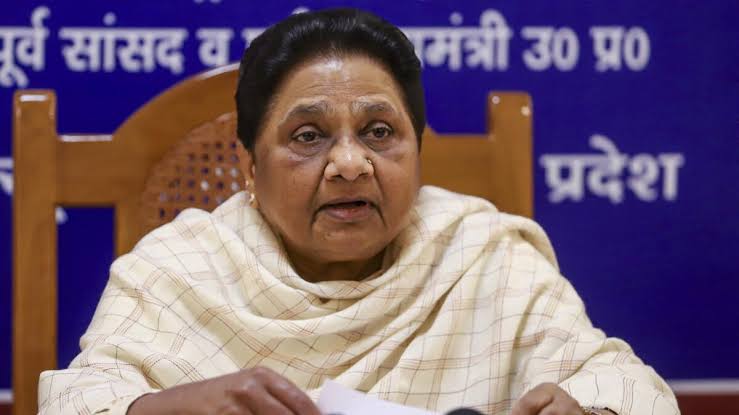
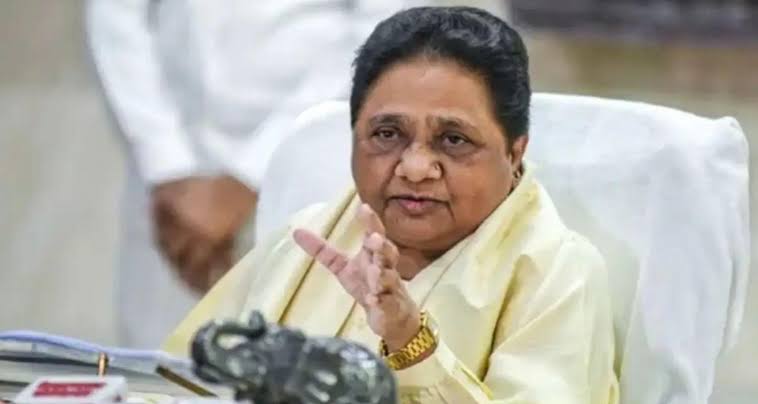
What This Controversy Could Mean Politically
It remains to be seen how long the controversy will remain a major talking point in Uttar Pradesh politics. Political parties may continue to respond to one another as the debate develops. For the BSP, the episode provides an opportunity to reiterate its position on political dignity and community respect.
For BSP chief Mayawati, the issue is particularly important because she has directly criticized a rival opposition leader while highlighting the concerns of the Jat community. Her statement could contribute to further political discussions about social representation and the language used by political leaders.
At the same time, the controversy illustrates the sensitivity of political references involving historical leaders and their families. BSP chief Mayawati has argued that political criticism should not become an excuse for disrespect.
Conclusion
The controversy over Akhilesh Yadav’s reported ‘chavanni’ remark has created another sharp political exchange in Uttar Pradesh. BSP chief Mayawati has strongly condemned the statement, calling it arrogant and undemocratic and arguing that it insulted not only the family of former Prime Minister Chaudhary Charan Singh but also the wider Jat community.
The episode highlights the importance of language in Indian politics, particularly in a state as politically influential as Uttar Pradesh. BSP chief Mayawati has used the controversy to emphasize the need for political leaders to maintain dignity while engaging in criticism and debate.
As political competition continues, the dispute is likely to remain a topic of discussion among supporters of the BSP, SP and other political parties. Ultimately, BSP chief Mayawati has argued that democratic disagreement should be accompanied by respect for communities, historical figures and political opponents. Whether the controversy leads to further political confrontation or gradually fades from public attention will depend on how the parties respond in the days ahead.
Read more latest news

