

Mumbai Civic Verdict Signals a Major Political Turning Point
BMC Election 2026 has emerged as one of the most closely watched political events in recent years, as early trends indicate a clear advantage for the Bharatiya Janata Party. The results so far suggest that the BJP is on course to establish its dominance not only at the state level but also within India’s most powerful municipal corporation.
The significance of BMC Election lies in the immense administrative and financial authority of the Brihanmumbai Municipal Corporation. With one of the largest civic budgets in Asia, control over the BMC translates into direct influence over Mumbai’s infrastructure, public services, and urban development policies.
Political observers note that BMC Election 2026 reflects a broader shift in urban voter sentiment. Over the years, metropolitan voters have increasingly prioritized governance, accountability, and service delivery over traditional identity-based or regional politics.
The BJP’s strong showing in BMC Election is being attributed to its well-organized grassroots machinery. From ward-level coordination to booth management, the party’s disciplined structure has played a crucial role in converting voter support into electoral gains.
Another defining aspect of BMC Election has been the BJP’s focus on development narratives. The party consistently highlighted infrastructure projects, urban mobility improvements, and alignment between municipal, state, and central governance.
For decades, Mumbai’s civic politics were dominated by regional forces. However, BMC Election indicates that voters may be moving away from legacy politics toward performance-based decision-making.
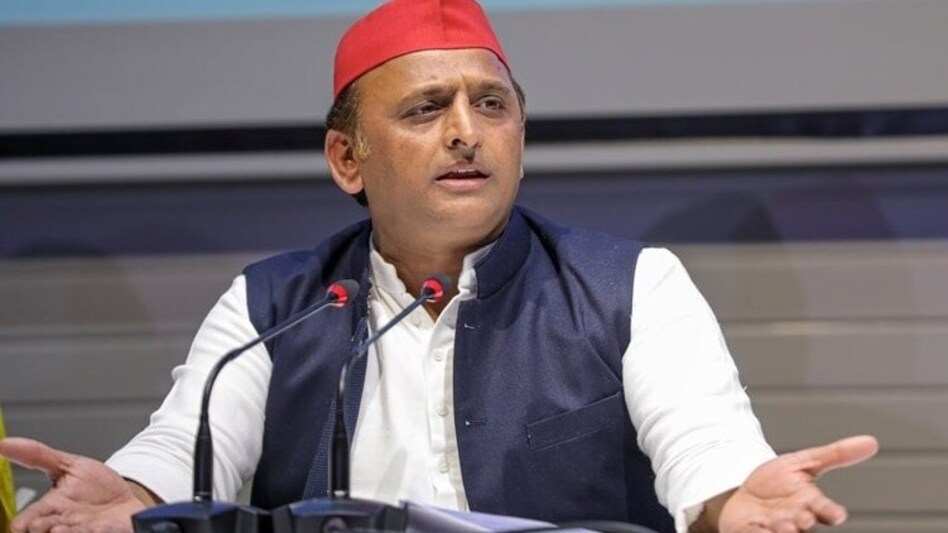
The results of BMC Election have also triggered reactions from opposition leaders across the country. Among them, Samajwadi Party chief Akhilesh Yadav made a remark that quickly caught national attention.
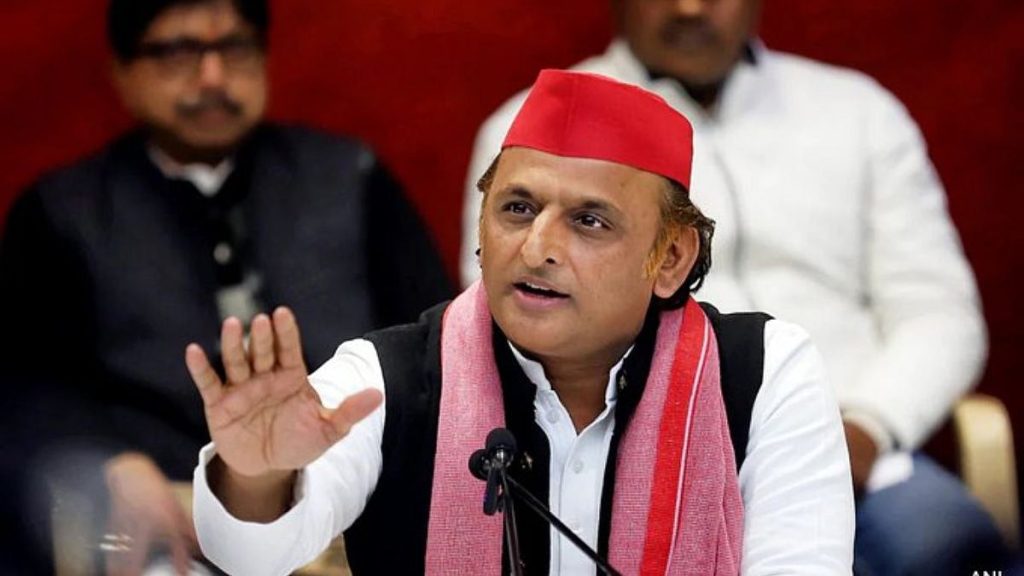
Commenting on BMC Election 2026, Akhilesh Yadav said, “There is a lot to learn even from the BJP.” This statement stood out in India’s often confrontational political discourse, as it reflected introspection rather than accusation.
Many analysts believe Akhilesh Yadav’s reaction to BMC Election 2026 signals a growing realization among opposition parties that electoral success today demands organizational strength and clarity of leadership.
The BJP’s campaign strategy during BMC Election 2026 focused heavily on urban governance issues such as sanitation, housing, transport, and transparency—areas that directly affect daily life in Mumbai.
Voters responding to BMC Election 2026 appear to have rewarded consistency in messaging. The BJP maintained a unified narrative across local, state, and national platforms, reinforcing its image as a stable governing force.

Social media and digital outreach also played a critical role in BMC Election 2026. The BJP’s strong online presence helped shape public perception, counter criticism, and mobilize younger voters.
For opposition parties, BMC Election 2026 serves as a warning sign. Fragmentation, lack of coordination, and inconsistent messaging have weakened their ability to present a credible alternative.
The outcome of BMC Election 2026 is expected to influence political strategies ahead of upcoming state and national elections, especially in other urban centers across India.
Beyond politics, BMC Election carries major governance implications. Citizens will closely watch how the new leadership delivers on promises related to infrastructure development and public services.
Urban experts say BMC Election 2026 could redefine how municipal governance is perceived, shifting focus from political symbolism to measurable performance indicators.
The scale of public expectations following BMC Election will be immense, particularly in a city like Mumbai where civic challenges are complex and persistent.
From roads and drainage to housing and public transport, BMC Election 2026 has placed urban governance at the center of political debate like never before.
Nationally, the momentum generated by BMC Election strengthens the BJP’s narrative of political consolidation and expanding influence in metropolitan India.
At the same time, BMC Election has opened space for opposition parties to rethink strategies, build stronger organizations, and reconnect with urban voters.
As India’s democracy evolves, BMC Election 2026 will likely be remembered as a moment when civic elections gained national importance and reshaped political conversations.
Conclusion
In conclusion, BMC Election 2026 is not merely about who controls Mumbai municipal corporation; it is about the future direction of urban politics in India. The BJP’s apparent rise, combined with Akhilesh Yadav’s candid acknowledgment, reflects a political environment where performance, learning, and adaptability may define the next phase of democratic competition.
Read more latest news

