

Amritsar, Punjab: Security Beefed Up Outside the Golden Temple on the 41st Anniversary of Operation Blue Star
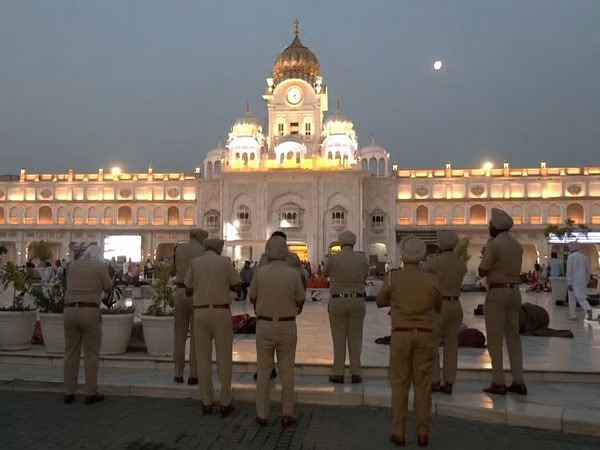
Amritsar, one of the most sacred cities in India, is witnessing heightened security arrangements as it marks the 41st anniversary of Operation Blue Star—an event that forever altered the socio-political landscape of Punjab and the Indian nation. The spiritual heart of Sikhism, the Golden Temple, is currently under heavy security surveillance, with multiple layers of paramilitary and state police forces deployed to ensure peace and law and order.
Amritsar, Punjab Every year, June 6 evokes intense emotions—of grief, remembrance, and resilience—particularly among the Sikh community. The date commemorates a military operation that was executed in 1984, targeting Sikh militants who had fortified themselves inside the sacred Golden Temple complex. The aftermath of the operation and the events that followed remain one of the most turbulent chapters in modern Indian history.
Amritsar, Punjab As the city braces for commemorative events and potential unrest, let’s dive deep into the context, current situation, public sentiment, and the historical significance of Operation Blue Star and why this day remains so sensitive even after four decades.
What Was Operation Blue Star?
Amritsar, Punjab Operation Blue Star was a military operation carried out by the Indian Army between June 1 and June 8, 1984, under the direct orders of then-Prime Minister Indira Gandhi. Its objective was to flush out Sikh militants, particularly Jarnail Singh Bhindranwale, who had taken refuge inside the Harmandir Sahib (Golden Temple) complex in Amritsar.
Bhindranwale, a radical preacher and leader of the Damdami Taksal, had emerged as a powerful figure during the escalating Sikh separatist movement. He and his heavily armed followers occupied the Akal Takht, one of the five seats of temporal authority in Sikhism, turning the sacred site into a fortified garrison.
The government viewed this as a direct threat to national unity and sovereignty, prompting the controversial decision to storm the complex using heavy artillery, including tanks and machine guns. While the operation was militarily successful in eliminating Bhindranwale and his associates, it came at a staggering cost—hundreds of lives lost, including civilians, soldiers, and pilgrims, as well as severe damage to the holy shrine.
Why the Anniversary Matters
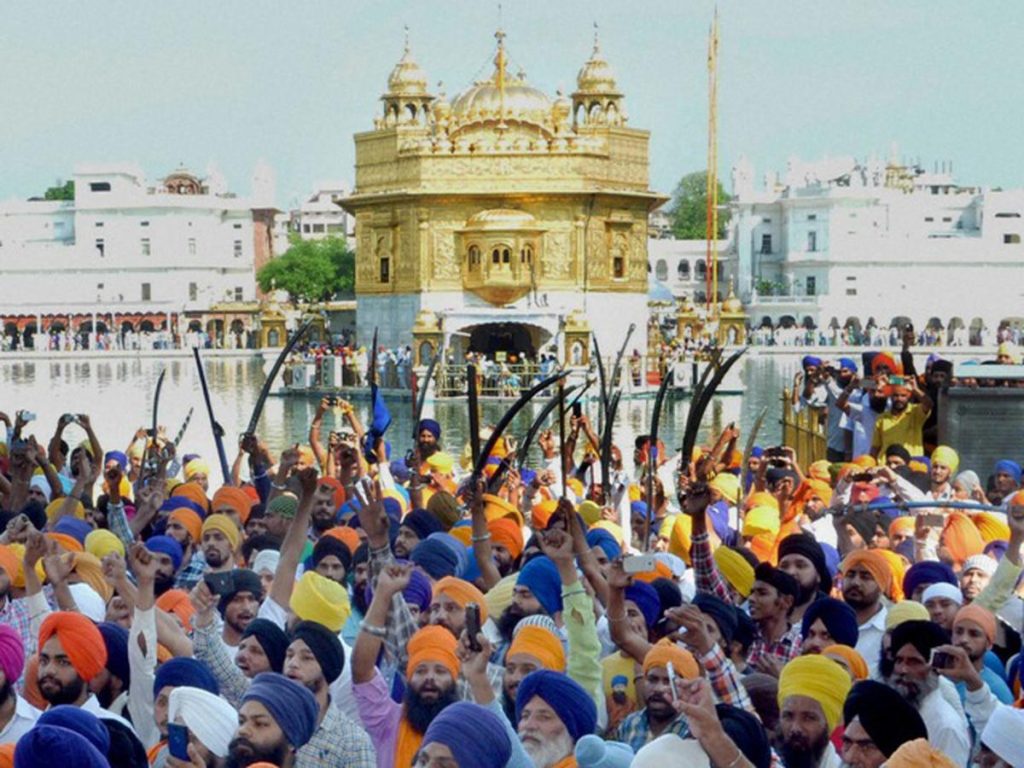
Amritsar, Punjab The memory of Operation Blue Star remains etched into the collective consciousness of the Sikh community. For many, it symbolizes deep trauma, violation of religious sanctity, and injustice. While the official government stance continues to defend the operation as necessary to protect national security, a significant section of the Sikh population sees it as a brutal assault on their faith.
The anniversary of the operation is therefore marked not just as a day of mourning, but also of protest, reflection, and remembrance. Gurdwaras across the country, especially in Punjab, hold special prayer services, while political and religious organizations use the occasion to highlight issues of justice, minority rights, and autonomy.
2025: The 41st Anniversary and Current Situation in Amritsar
Amritsar, Punjab This year, on June 6, 2025, the 41st anniversary of Operation Blue Star is being observed. Authorities in Punjab, particularly in Amritsar, have taken significant precautionary measures to maintain peace and prevent any untoward incident.
Heavy Deployment of Security Forces
As per official reports, the following security steps have been undertaken:
- Over 7,000 police personnel deployed across Amritsar, with special focus on the perimeters of the Golden Temple.
- Central Reserve Police Force (CRPF) and Rapid Action Force (RAF) companies stationed at strategic locations to prevent crowd violence.
- Barricading and checkpoints installed around entry points to the city and temple complex.
- Drone surveillance and CCTV monitoring operational round the clock for crowd behavior and suspicious activity.
- Internet services restricted or monitored in certain parts of Punjab to prevent misinformation and incitement.
Intelligence Alerts
Amritsar, Punjab Intelligence agencies have warned about possible attempts by fringe elements to disrupt peace or mobilize support for separatist causes. Authorities have been particularly vigilant about the “Khalistan” propaganda, which occasionally surfaces during such anniversaries.
Posters, flags, and graffiti supporting the Khalistan movement were spotted in various districts in the past few days. However, the Punjab Police quickly removed them and arrested some individuals found involved in raising pro-Khalistan slogans.
Restrictions and Guidelines
- Section 144 (prohibitory orders) has been imposed in Amritsar to prevent the assembly of more than five people.
- Social media accounts of known instigators are being closely monitored.
- Media personnel have been advised to avoid sensational reporting that may provoke public sentiment.
Inside the Golden Temple Complex
Amritsar, Punjab Despite the tense atmosphere, the Shiromani Gurdwara Parbandhak Committee (SGPC) has confirmed that religious programs commemorating the martyrs of Operation Blue Star will continue as per tradition. Special Akhand Path Sahib (non-stop recitation of the Guru Granth Sahib), kirtan sessions, and Ardas (prayers) have been organized.
Sikh devotees from across the country and abroad have arrived in Amritsar to pay their respects. Many are seen holding placards with pictures of Bhindranwale and chanting slogans that evoke Sikh pride and identity. The SGPC has urged all devotees to maintain peace and decorum during the commemorations.
Political Reactions and Statements
The anniversary has sparked a range of political statements and reactions, both from mainstream parties and fringe groups.
AAP-Led Punjab Government
The AAP government in Punjab has called for peace and urged citizens to respect the solemnity of the day. Chief Minister Bhagwant Mann, while addressing the media, stated:
“We honor the pain and sacrifice of every life lost. Punjab has bled too much in the past. Let us observe this day with dignity, not with hatred.”
Shiromani Akali Dal (SAD)
The SAD has criticized the heavy-handed approach of the central government and called for justice for the families of victims. They reiterated their demand for an independent truth commission to investigate all aspects of Operation Blue Star and its aftermath.
Congress and BJP
The Congress, while avoiding direct confrontation, acknowledged the tragedy but defended Indira Gandhi’s decision as one taken in “extraordinary circumstances.” The BJP, on the other hand, has focused more on ensuring national security and praised security arrangements made this year.
Public Sentiment: Pain, Anger, and Hope
While official statements try to strike a balance between law and order and religious freedom, ground reality in Amritsar tells a more emotional story.
Among the Devotees
Devotees arriving at the Golden Temple describe their journey as a pilgrimage of remembrance. Many still remember the horrors of June 1984, and for the younger generation, the stories have been passed down with deep emotion.
“I was 10 years old when tanks rolled into the temple. We hid in fear. I come here every year to remember those who didn’t make it,” said Gurwinder Singh, a local resident.
“My father told me the Golden Temple turned red with blood. I had to see it with my own eyes. This is not just history; it’s identity,” said Simran Kaur, a visiting student from Canada.
In the Streets
Local businesses remained open but with a noticeable sense of caution. Schools and colleges were closed for the day. Traffic was diverted and public transport reduced in anticipation of large gatherings.
Several local NGOs organized blood donation camps, free langar (community meals), and peace marches to channel the day’s emotional energy into constructive action.
International Attention and Diaspora Reactions
The Sikh diaspora, particularly in Canada, the UK, and the US, observes June 6 with public demonstrations, candlelight vigils, and calls for justice. This year, memorial events are being held in Toronto, London, and California, with banners demanding recognition of Operation Blue Star as a human rights violation.
These international events often generate diplomatic tensions, especially when they feature Khalistani flags or slogans against Indian sovereignty. The Indian government has issued advisories to its embassies to remain alert and engage with local Sikh communities to ensure peaceful observances.
The Long Shadow of 1984
Operation Blue Star was not an isolated event—it triggered a chain reaction that included the assassination of Indira Gandhi, anti-Sikh riots, and a decade of insurgency in Punjab. For many, the wounds of 1984 have never truly healed.
In the years that followed, thousands of Sikhs were killed, and the region witnessed mass arrests, enforced disappearances, and extrajudicial killings. While some victims have received compensation, justice remains elusive for many.
The demand for accountability, recognition of human rights abuses, and inclusion of Sikh voices in national reconciliation efforts is still very much alive.
Moving Forward: A Call for Peace and Reconciliation
The 41st anniversary of Operation Blue Star is not just a reminder of past tragedies but also a call to collective reflection. As India continues to grow as a democratic republic, it must confront its most painful chapters with courage, transparency, and compassion.
Dialogue between the government and Sikh organizations must be fostered to build trust. Historical commissions, educational reforms, and community outreach programs can help bridge divides and promote healing.
At the same time, it is crucial to prevent the politicization of faith and to ensure that anniversaries like June 6 are not used as platforms for spreading divisive ideologies.
Conclusion: A Day of Remembrance, Not Retaliation
June 6, 2025, serves as a solemn reminder that violence—no matter how strategic or state-sanctioned—leaves behind deep scars. As security personnel stand guard outside the Golden Temple, and as devotees bow their heads in prayer inside its golden sanctum, the message must be clear: never again.
This is a day for remembrance, not retaliation. A day for prayers, not politics. A day for peace.
read more latest news

