
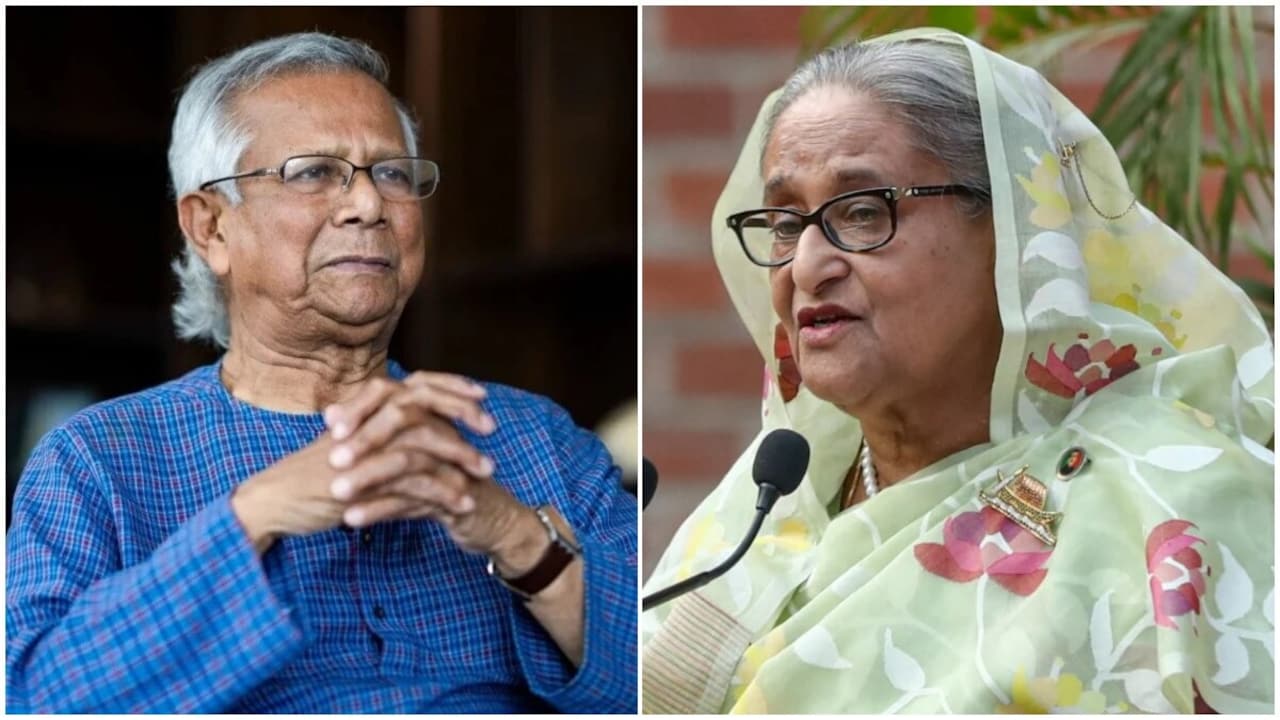
Former Prime Minister Sheikh Hasina has recently made serious allegations against Nobel laureate Muhammad Yunus, accusing him of “selling the nation to the United States” and collaborating with extremist groups to seize control of Bangladesh. These claims have intensified the political crisis in the country, following Hasina’s ousting and the establishment of an interim government led by Yunus.
Background: Political Turmoil and Leadership Change
In August 2024, widespread student-led protests and military dissatisfaction led to the resignation of Sheikh Hasina after a 15-year tenure. The protests were fueled by allegations of authoritarianism, economic mismanagement, and suppression of dissent. Following her departure, an interim government was formed, with Muhammad Yunus appointed as the head by consensus among political and civil groups, including student leaders. The interim administration pledged to restore democracy and address human rights concerns.
Hasina’s Allegations Against Yunus
From exile, Hasina released an audio message on the Awami League’s official Facebook page, accusing Yunus of:
- “Selling the nation to the United States” by allegedly compromising national sovereignty.
- Collaborating with extremist groups to gain and maintain power.
- Banning the Awami League from participating in elections, which she termed “unconstitutional.”
She also invoked historical grievances, referencing her father’s refusal to cede St. Martin’s Island to the U.S., suggesting that Yunus was now doing what her family had resisted.
Yunus’s Position and Government Actions
Muhammad Yunus, renowned for his work with Grameen Bank and microfinance, assumed leadership of the interim government with the aim of stabilizing the nation and preparing for democratic elections. His administration has initiated reforms, including efforts to prosecute human rights abuses and dismantle secret detention centers. However, the government faces challenges, such as rising Islamist influence and ongoing political unrest.
In response to pro-Hasina protests and alleged threats to national security, the interim government launched “Operation Devil Hunt,” a nationwide crackdown targeting supporters of the former prime minister. This operation has resulted in thousands of arrests and has drawn criticism from human rights organizations.(Wikipedia)

International and Domestic Reactions
The international community has expressed concern over the escalating political tensions in Bangladesh. Human rights groups have condemned the suppression of opposition voices and the potential erosion of democratic processes. Domestically, the public remains divided, with some supporting the interim government’s reform agenda, while others view the actions as politically motivated and repressive.
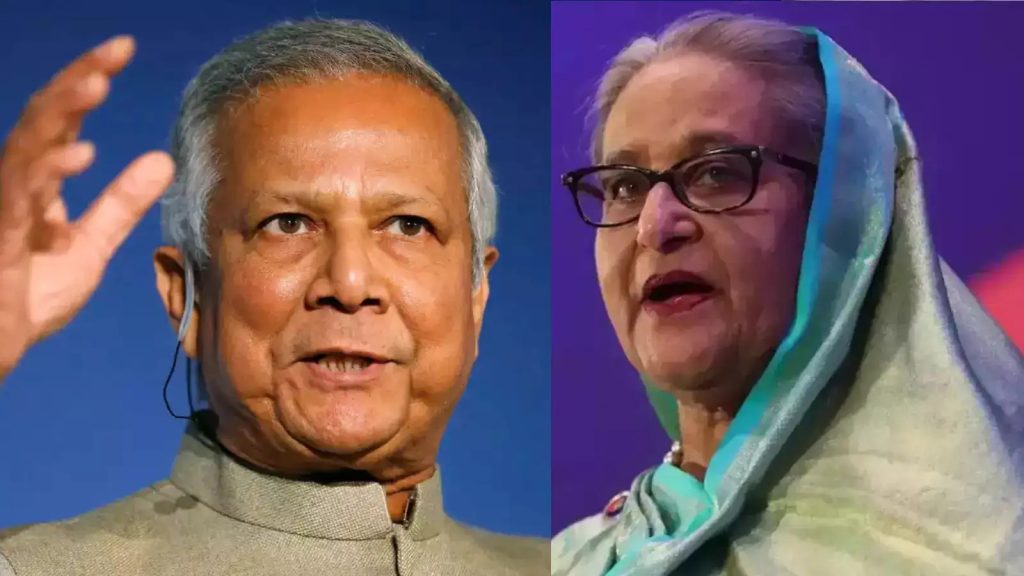
Former Prime Minister Sheikh Hasina has recently made serious allegations against Nobel laureate Muhammad Yunus, accusing him of “selling the nation to the United States” and collaborating with extremist groups to seize control of Bangladesh. These claims have intensified the political crisis in the country, following Hasina’s ousting and the establishment of an interim government led by Yunus.
Background: Political Turmoil and Leadership Change
In August 2024, widespread student-led protests and military dissatisfaction led to the resignation of Sheikh Hasina after a 15-year tenure. The protests were fueled by allegations of authoritarianism, economic mismanagement, and suppression of dissent. Following her departure, an interim government was formed, with Muhammad Yunus appointed as the head by consensus among political and civil groups, including student leaders. The interim administration pledged to restore democracy and address human rights concerns.
Hasina’s Allegations Against Yunus
From exile, Hasina released an audio message on the Awami League’s official Facebook page, accusing Yunus of:
- “Selling the nation to the United States” by allegedly compromising national sovereignty.
- Collaborating with extremist groups to gain and maintain power.
- Banning the Awami League from participating in elections, which she termed “unconstitutional.”
She also invoked historical grievances, referencing her father’s refusal to cede St. Martin’s Island to the U.S., suggesting that Yunus was now doing what her family had resisted.
Yunus’s Position and Government Actions
Muhammad Yunus, renowned for his work with Grameen Bank and microfinance, assumed leadership of the interim government with the aim of stabilizing the nation and preparing for democratic elections. His administration has initiated reforms, including efforts to prosecute human rights abuses and dismantle secret detention centers. However, the government faces challenges, such as rising Islamist influence and ongoing political unrest.
In response to pro-Hasina protests and alleged threats to national security, the interim government launched “Operation Devil Hunt,” a nationwide crackdown targeting supporters of the former prime minister. This operation has resulted in thousands of arrests and has drawn criticism from human rights organizations.
International and Domestic Reactions
The international community has expressed concern over the escalating political tensions in Bangladesh. Human rights groups have condemned the suppression of opposition voices and the potential erosion of democratic processes. Domestically, the public remains divided, with some supporting the interim government’s reform agenda, while others view the actions as politically motivated and repressive.
Conclusion
Sheikh Hasina’s allegations against Muhammad Yunus have deepened the political crisis in Bangladesh, highlighting the challenges of transitioning to a stable and democratic governance structure. As the interim government navigates these complexities, the path forward will require careful balancing of reform efforts, respect for human rights, and inclusive political dialogue to ensure lasting peace and stability.


https://shorturl.fm/oYjg5
https://shorturl.fm/XIZGD
https://shorturl.fm/oYjg5
https://shorturl.fm/oYjg5