Why Did Akhilesh Yadav Talk About Abolishing the ED Department?
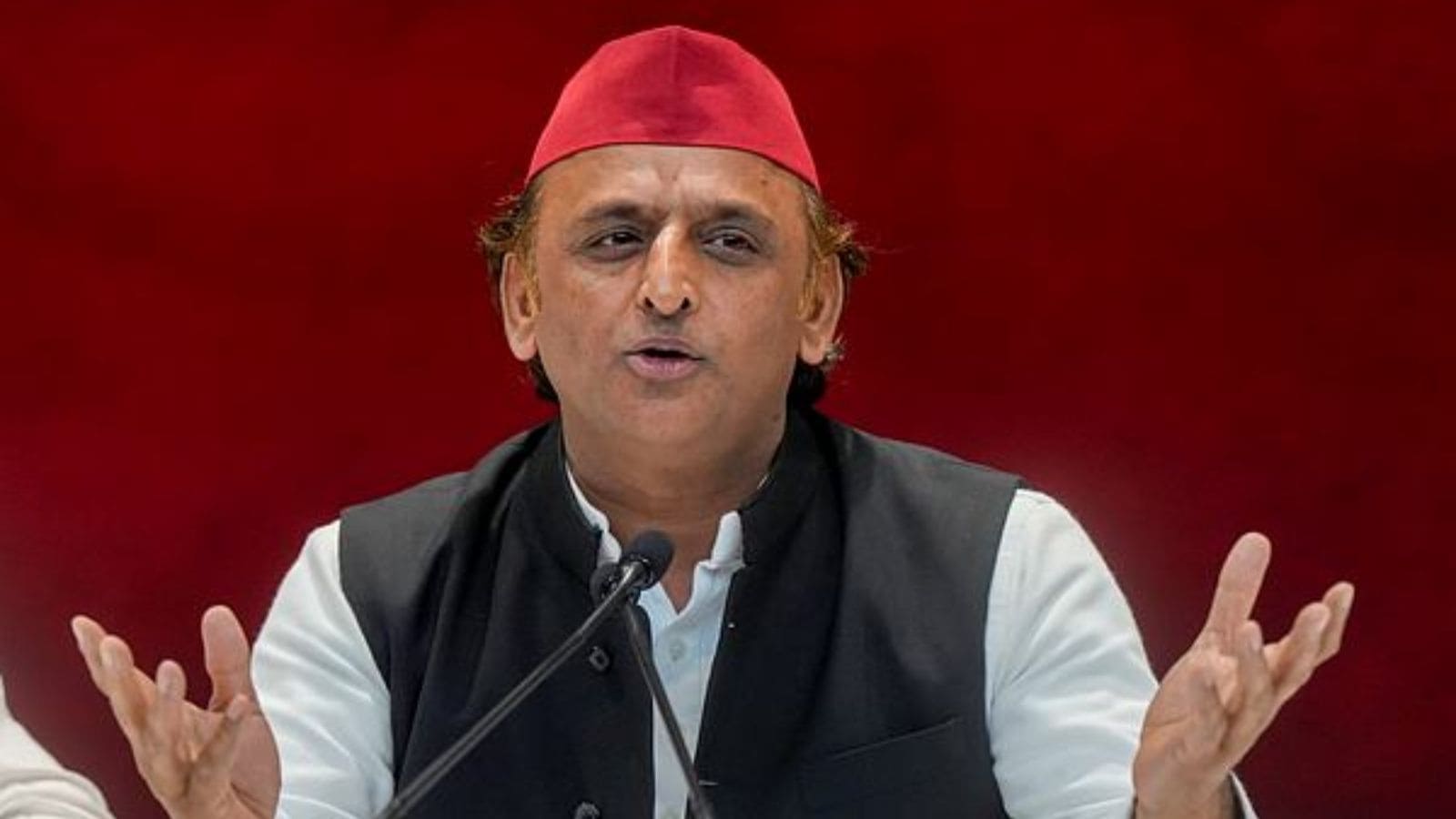
Akhilesh YadavAkhilesh Yadav On April 16, 2025, Samajwadi Party president Akhilesh Yadav made headlines with a provocative statement: calling for the complete abolition of the Enforcement Directorate (ED), India’s key investigative agency for financial crimes. This bold demand stirred political debate, adding to the already intense discourse around the role of investigative agencies in India’s democratic fabric. But why would a prominent political leader suggest dismantling such an institution? In this article, we explore the historical, political, and constitutional background to understand Akhilesh Yadav’s stand and the broader implications of such a move.
The Trigger: ED Action Against Opposition Leaders
Akhilesh Yadav The immediate context for Akhilesh Yadav remarks stems from the ED’s filing of a chargesheet in the National Herald money laundering case against Congress leaders Sonia and Rahul Gandhi. This high-profile case has been perceived by many opposition parties as a politically motivated move orchestrated by the ruling BJP to corner its adversaries before the 2024 general elections. Akhilesh Yadav reaction reflects growing concerns among opposition leaders about what they allege is selective targeting and institutional weaponization.
According to Akhilesh Yadav, the ED is being used not as an agency of law and justice but as a political tool to suppress dissent. He claimed, “If there is an Income Tax department, a CBI, and now GST intelligence, why is the ED needed at all? If you trust your institutions, you don’t need to overlap their mandates.” This sparked not just political chatter but a wider public conversation on the legitimacy and functioning of enforcement bodies in India.
The Role of the Enforcement Directorate
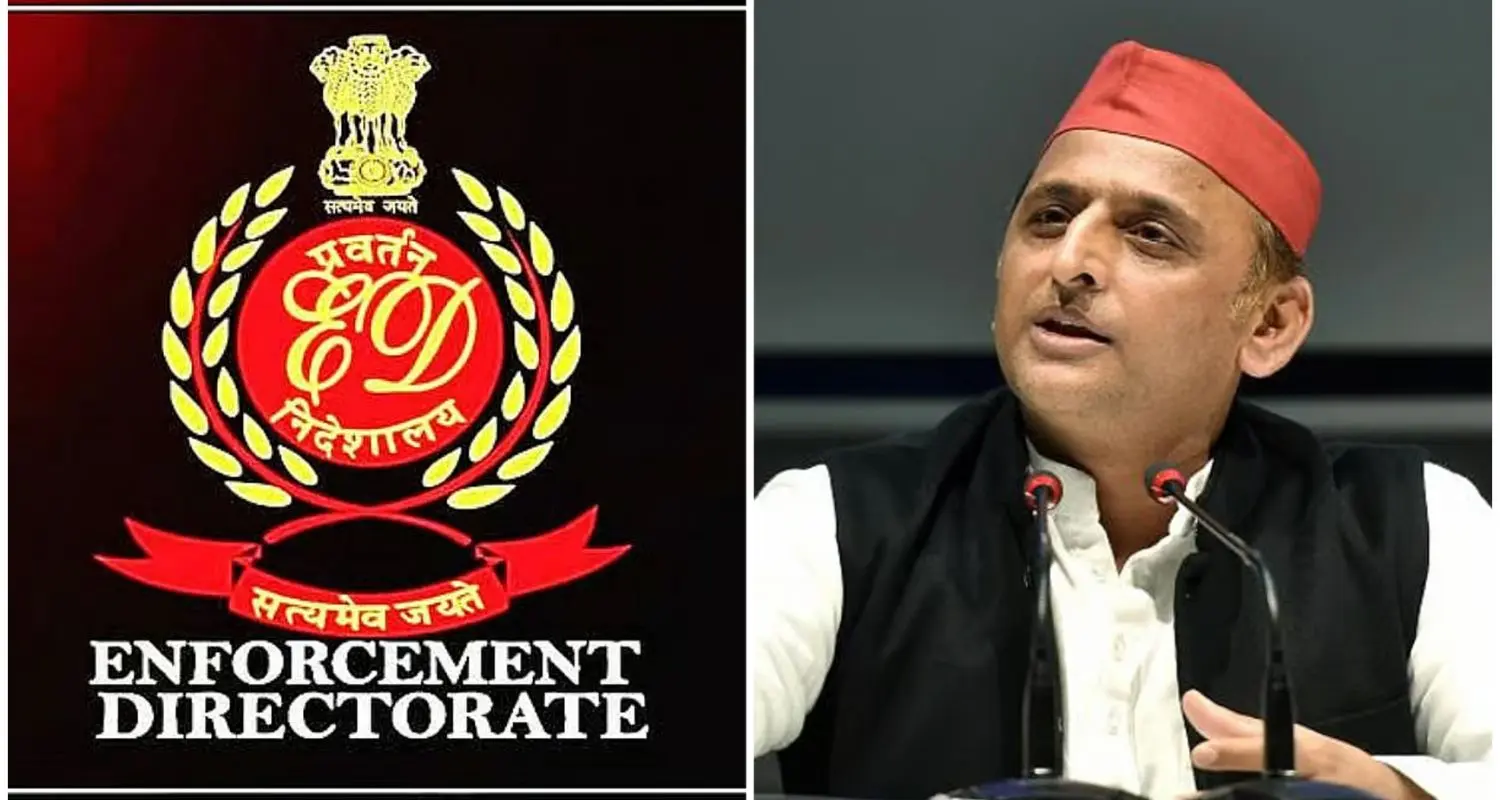
Established in 1956, the ED primarily enforces two key laws: the Prevention of Money Laundering Act (PMLA) and the Foreign Exchange Management Act (FEMA). It operates under the Ministry of Finance and holds powers to investigate, arrest, and prosecute individuals involved in large-scale financial fraud, black money operations, and foreign exchange violations. Over the years, ED has expanded its reach and visibility, especially under the PMLA, where it can seize assets, interrogate suspects, and pursue convictions for money laundering.
Allegations of Misuse
Critics argue that while the ED was formed with good intent, in recent years it has evolved into a political weapon. Statistics show a disproportionate number of ED investigations being launched against leaders from opposition parties, particularly those critical of the central government. While the agency claims it functions independently and according to evidence, opposition figures like Akhilesh Yadav believe otherwise.
According to an RTI filed in 2023, nearly 95% of ED cases launched in the past five years were against non-BJP politicians. This includes leaders from Congress, Trinamool Congress, Aam Aadmi Party, DMK, Shiv Sena (UBT), and Samajwadi Party. Despite this surge in investigations, conviction rates have been dismal—less than 1%—prompting critics to allege that the agency is more focused on political optics than legal outcomes.
Akhilesh Yadav’s Arguments
Akhilesh Yadav’s remarks weren’t made in isolation. In fact, they reflect a long-standing concern among several regional parties that central agencies are being misused by the ruling regime. He made several arguments:
- Redundancy: With multiple agencies like Income Tax, CBI, GST Intelligence, and SFIO, the existence of the ED leads to duplication of effort and overlapping jurisdictions.
- Trust Deficit: The creation and growing power of ED indicates a lack of faith in existing agencies.
- Democratic Overreach: He warned that agencies with unchecked power can undermine democratic institutions and basic civil liberties.
- Historical Warning: Yadav reminded the Congress party that many opposition leaders had warned against such powers when the PMLA was introduced, fearing it would be abused.
Opposition Unity on the Issue
Yadav’s comments also serve a strategic purpose: they are part of a broader attempt to forge opposition unity before the 2029 general elections. By urging Congress to also demand ED’s abolition, he placed pressure on India’s oldest party to take a more aggressive stance against the central government’s alleged authoritarianism.
Other leaders who have raised similar concerns in the past include:
- Mamata Banerjee – Called ED raids “pre-election terror”.
- Arvind Kejriwal – Claimed that CBI and ED are being used to crush opposition parties.
- MK Stalin – Demanded checks on central agencies to maintain federal balance.
The Legal Perspective
Can ED actually be abolished? Legally, the ED was created through administrative notification and reinforced through acts like FEMA and PMLA. Dismantling it would require either repeal or major amendments to these laws. Furthermore, such a move could face stiff resistance from the judiciary, especially if it’s argued that it would weaken the state’s ability to counter black money and financial crime.
However, legal experts have pointed out that reform—not abolition—may be a more viable path. Suggestions include:
- Creating an independent oversight committee for ED actions
- Mandating parliamentary scrutiny of agency reports
- Restricting suo motu action unless approved by a judicial panel
Why the Statement Matters Politically
Yadav’s statement isn’t just about the ED—it’s symbolic of larger issues: erosion of federalism, central overreach, the autonomy of institutions, and electoral politics. By calling for the abolition of the ED, Yadav is positioning himself as a torchbearer of opposition resistance, speaking not just for his party but for a wider coalition of voices that feel marginalized and persecuted.
In Uttar Pradesh, where Yadav’s party seeks to reclaim power in the next state election, such a narrative resonates with voters who are disillusioned with centralization and economic distress.
Media and Public Reaction
Reactions to Yadav’s statement have been polarizing. While opposition-leaning media outlets highlighted his arguments about misuse and democracy, several pro-government commentators accused him of shielding corruption. Social media was equally divided: hashtags like #AbolishED trended on Twitter, with both support and outrage pouring in.
One section of the public, especially civil rights activists, welcomed the idea of reevaluating the agency’s powers. Others argued that weakening financial investigation institutions could embolden economic offenders.
International Comparison
Globally, enforcement agencies exist in most democracies—but with strong accountability mechanisms. For example:
- USA: FBI is monitored by Congress and subject to judicial review.
- UK: Serious Fraud Office functions with strict legal parameters.
- Germany: Anti-corruption bodies operate under federal law and judicial oversight.
In India, critics argue, there is no effective body that reviews ED’s actions, resulting in unchecked raids, media leaks, and prolonged trials without convictions.
The Way Forward
Rather than outright abolition, many believe that reforming the ED is a more pragmatic approach. Creating clear SOPs, judicial oversight, and independent complaint redressal systems would not only improve transparency but also restore public trust in enforcement institutions.
If the ED continues to be seen as a tool of political vendetta, it risks losing legitimacy, much like what happened with certain colonial-era institutions. For a country aiming to position itself as a global democratic leader, balancing enforcement with fairness is key.
Conclusion
Akhilesh Yadav’s call to abolish the Enforcement Directorate is a dramatic but revealing moment in Indian politics. It reflects not just political rivalry but deeper concerns about how power is wielded in a democracy. As India approaches another crucial electoral season, the future of institutions like the ED, their role, and their accountability will be hotly debated.
Whether ED gets abolished, reformed, or left untouched will depend on the strength of democratic institutions, public pressure, and judicial wisdom. But what is clear is this—citizens are watching, and they care not just about who gets investigated, but also how and why.
read more latest news