

Air Force Chief Made a Big Claim on Operation Sindoor: “5 Pakistani Jets Were Shot Down with S-400, AEW&C Was Also Destroyed”
Introduction: A Statement That Shook the Defence World
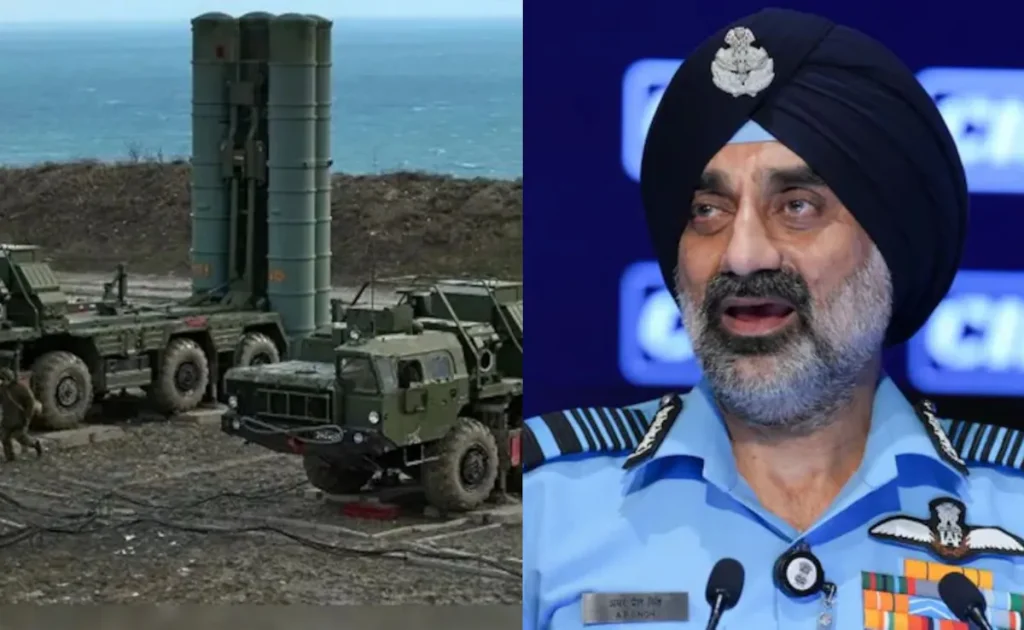
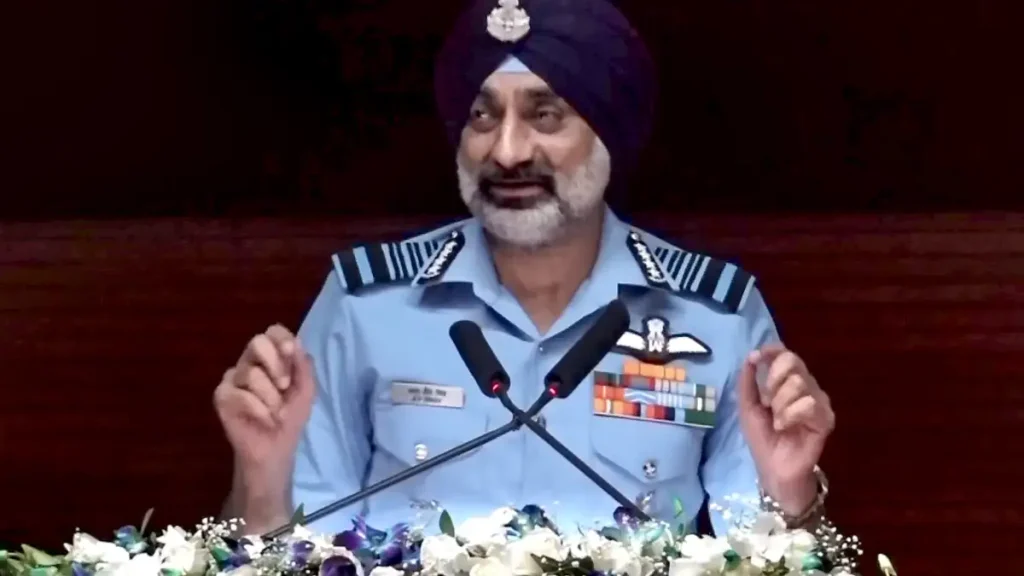
In a sensational revelation, the Chief of the Indian Air Force (IAF) has made a bold and detailed statement about the recently concluded Operation Sindoor. According to him, the IAF’s precision strikes and air defence capabilities were on full display as five Pakistani fighter jets were shot down using the S-400 Triumf missile system, and a high-value AEW&C (Airborne Early Warning & Control) aircraft of Pakistan was also destroyed during the engagement.
The disclosure has sparked massive discussions in strategic, defence, and political circles, with experts calling it one of the most significant demonstrations of India’s aerial superiority in recent times. The claim is not only a testimony to India’s technological edge but also a powerful signal to adversaries that the New India’s armed forces are equipped, confident, and ready for any challenge.
What Was Operation Sindoor? – Understanding the Mission
Operation Sindoor was a strategic and tactical military operation conducted by the Indian Armed Forces in response to escalatory actions from across the border.
- The mission was jointly planned by the Air Force, Army, and Navy, but the primary offensive element was led by the IAF.
- The objective was to neutralize imminent threats, enforce air superiority, and prevent hostile aircraft from breaching Indian airspace.
- The codename “Sindoor” symbolized courage, sacrifice, and decisive action, reflecting both the urgency and seriousness of the mission.
The S-400 Triumph: India’s Shield and Sword in the Sky
The S-400 Triumf is one of the most advanced air defence missile systems in the world, procured from Russia.
- Range: Can engage targets up to 400 km away.
- Target Capability: Able to intercept and destroy aircraft, drones, cruise missiles, and even ballistic missiles.
- Radar & Tracking: Multi-layered radar network capable of tracking 300+ targets simultaneously.
In Operation Sindoor:
- The S-400 units deployed in forward locations detected Pakistani fighter jets attempting an incursion.
- Within seconds, engagement protocols were activated.
- Five hostile jets were destroyed mid-air, leaving no survivors.
AEW&C Kill – A Game Changer in Air Warfare
The destruction of Pakistan’s AEW&C aircraft was a high-value strike.
- AEW&C aircraft serve as the eyes and ears of any air force, providing battlefield awareness, early detection of enemy aircraft, and coordination for aerial operations.
- Neutralizing such an asset cripples the enemy’s situational awareness.
- This strike, reportedly carried out with a combination of S-400 targeting and precision air-to-air missiles, significantly tilted the balance of air power in India’s favour during the operation.
Pakistan’s Response – Silence, Denial, and Damage Control
In the aftermath of the IAF Chief’s statement, Pakistan’s official military spokesperson downplayed the incident, calling it an “exaggerated claim” and denying heavy losses.
However:
- Satellite imagery and intercepted communications reportedly confirm wreckage sites of downed aircraft.
- International defence analysts believe Pakistan is deliberately underplaying the losses to maintain domestic morale.
Why This Claim Matters – Strategic Implications for South Asia
- Deterrence Signal to Adversaries
- The message is clear: India now possesses the capability to strike swiftly and decisively.
- Boosting Morale of the Armed Forces
- Such operational success boosts troop morale and reinforces confidence in weapon systems.
- Geopolitical Messaging
- This event sends a strong signal to global powers that India’s defence preparedness is top-tier.
- Domestic Political Impact
- Strengthens the narrative of a secure and strong India under current leadership.
Technological Synergy – How the Mission Worked
Step 1 – Early Detection
- Radar systems picked up Pakistani jets before they entered Indian airspace.
- The Integrated Air Command and Control System (IACCS) relayed live data to S-400 units and frontline fighter aircraft.
Step 2 – Target Lock & Engagement
- S-400 batteries locked onto targets beyond visual range.
- Engagement orders were given after command centre confirmation.
Step 3 – AEW&C Strike
- The AEW&C was tracked for over 12 minutes before a coordinated strike was executed.
- This reduced Pakistan’s ability to coordinate further aerial attacks.
Comparing to Previous Aerial Engagements
The scale and precision of Operation Sindoor surpass previous air skirmishes like:
- Balakot Air Strike (2019) – While a landmark operation, it was more of a preemptive strike.
- Kargil War (1999) – Limited to specific terrain engagement.
Operation Sindoor represents full-spectrum air defence dominance, integrating advanced missile systems and real-time surveillance.
Global Reactions
- Russia: Congratulated India on the operational success of the S-400, calling it “a textbook example of system deployment”.
- United States: Observed with caution, given the complex geopolitical balance in South Asia.
- China: Maintained strategic silence, while closely studying the operation’s tactics.
Economic and Defence Industry Impact
- Such operations increase confidence in domestically integrated defence systems.
- Boosts India’s case for defence exports to friendly nations.
- Encourages further investment in R&D for missile systems and radar technologies.
Challenges & Lessons Learned
- Maintaining Secrecy: High-profile disclosures may compromise future operational tactics.
- Technological Upgradation: Need for continuous upgrades to stay ahead of rivals.
- Multi-Front Preparedness: Ensuring readiness for simultaneous challenges from both western and northern borders.
Public Reaction & Political Discourse
- Social media erupted with hashtags like #OperationSindoorVictory and #AirForceSupremacy.
- Supporters hailed it as proof of India’s military might.
- Critics questioned the need for revealing such operational details publicly.
Conclusion – The Face of a Confident Air Force
The Air Force Chief’s statement about the downing of 5 Pakistani jets and the destruction of an AEW&C during Operation Sindoor is more than just a military claim — it is a strategic message of deterrence, capability, and readiness.
For India, it cements the belief that technological superiority and rapid decision-making are the new pillars of national security.
Whether future confrontations arise or not, the world has now been reminded: the Indian Air Force stands ready, vigilant, and formidable.
Read more latest news

