

Surge in COVID-19 Cases: India Records 3,758 Active Cases Amid Rising Concerns
covid cases As the world moves forward with a renewed sense of normalcy post-pandemic, a familiar shadow looms once again over India’s health landscape—the resurgence of COVID-19 cases. According to the data released by the Union Ministry of Health and Family Welfare, as of 8 AM on Sunday, active coronavirus cases have increased to 3,758 across the country. While the numbers may seem modest compared to the peak periods of 2020 and 2021, health experts and policymakers are keeping a vigilant eye on this trend.
This blog explores the current COVID-19 situation in India, the causes of the recent surge, government measures, expert opinions, state-wise responses, and what the public must do to stay safe in the days ahead.
1. The Numbers: Understanding the Recent Spike
active covid cases in According to the Health Ministry’s daily bulletin, the number of active cases has climbed steadily over the past few weeks. Just a fortnight ago, active cases were below 2,000. The new figure of 3,758 active cases reflects a notable upward trend, though hospitalization rates remain low.
The recent uptick is accompanied by:
- A marginal increase in the test positivity rate.
- Localized clusters in urban centers like Delhi, Mumbai, and Bengaluru.
- Mild symptoms in most patients, with very few requiring oxygen support or hospitalization.
2. Geographic Breakdown: States Showing a Rise
covid cases While the increase in active cases is being seen nationally, certain states have emerged as COVID-19 hotspots in this wave:
- Maharashtra: Mumbai and Pune have reported a steady rise in cases, particularly in gated housing societies and educational institutions.
- Kerala: Historically a state with strong health reporting mechanisms, Kerala continues to document higher daily case counts.
- Delhi: The national capital has seen a slight spike with several schools and colleges reporting cases among students and faculty.
- Karnataka: Bengaluru’s tech corridor is under watch due to office reopenings and increased domestic travel.
Some other states with smaller outbreaks include Tamil Nadu, Gujarat, West Bengal, and Uttar Pradesh.
3. Variants in Circulation: What’s Driving the Surge?
According to scientists and virologists, the recent increase may be due to mutations in the Omicron variant, particularly its sub-lineages like XBB.1.16 and BA.2.86. These variants have been known to:
- Spread faster than earlier Omicron strains.
- Evade prior immunity to a certain extent.
- Cause mostly mild to moderate symptoms, similar to seasonal flu.
Laboratories under INSACOG (Indian SARS-CoV-2 Genomics Consortium) have increased genomic sequencing to monitor any significant change in virus behavior.
4. Symptoms and Severity: What Are Doctors Reporting?
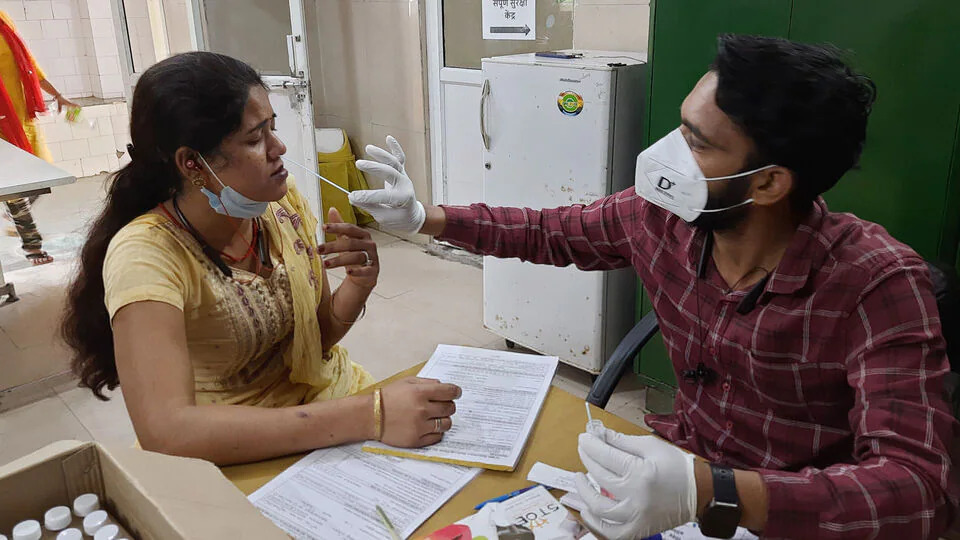
The majority of new COVID-19 cases have shown flu-like symptoms, including:
- Mild fever (below 101°F)
- Cough and sore throat
- Runny nose and fatigue
- In rare cases, loss of smell/taste
Doctors note that hospital admissions remain low, and patients are typically recovering at home within 3 to 5 days. However, the elderly, immunocompromised, and those with pre-existing conditions are being advised to exercise caution.
5. Government Response and Advisories
In light of the rising cases, the Union Health Ministry has issued new guidelines:
- State governments have been asked to step up testing and surveillance.
- All healthcare facilities are advised to conduct mock drills to check oxygen availability and ICU readiness.
- Advisory issued for citizens to wear masks in crowded places, especially hospitals, public transport, and religious gatherings.
- Renewed emphasis on hand hygiene and voluntary social distancing.
Union Health Minister Dr. Mansukh Mandaviya has reiterated that there is no cause for panic but has urged citizens to remain alert and proactive.
6. Vaccination Status and Booster Uptake
India’s extensive vaccination campaign has significantly reduced the impact of COVID-19 waves. As of June 2025:
- Over 220 crore vaccine doses have been administered.
- 96% of adults have received at least two doses.
- Booster dose (precaution dose) coverage remains below 35%, which has become a concern.
The Health Ministry is encouraging citizens, especially senior citizens and healthcare workers, to take booster doses at the earliest. Some states are considering door-to-door booster campaigns to improve outreach.
7. Public Sentiment: Cautious Optimism or Fatigue?
Public reaction to the recent surge is mixed:
- Urban population, especially in metros, has started wearing masks again in markets and metro trains.
- However, in rural and semi-urban areas, COVID fatigue is evident. People are reluctant to return to restrictions after experiencing normal life for over a year.
- Misinformation on social media continues to mislead some sections of the population, underscoring the need for accurate communication.
8. Economic and Social Concerns
So far, the government has not announced any lockdowns or movement restrictions. However, the business community is monitoring the situation closely:
- Schools and colleges have issued advisories about mask use and daily temperature checks.
- Offices in IT and BPO sectors have started considering hybrid working arrangements again.
- The tourism and hospitality sectors, which were seeing strong revival, are now concerned about potential cancellations during the monsoon and festival seasons.
Still, experts believe the economic impact of this mini-surge will be limited unless cases rise drastically or a more virulent variant emerges.
9. Lessons from the Past: Why Vigilance is Crucial
India faced three major waves of COVID-19, with the second wave in 2021 being the deadliest. Key takeaways from the past include:
- The need for early preparation and local containment.
- Importance of masking, even when case numbers are low.
- Timely information dissemination through government portals and media.
- Avoiding panic buying and ensuring access to medicines and oxygen.
With infrastructure like CoWIN and e-Sanjeevani already in place, India is better prepared than ever to tackle future spikes—but community cooperation is key.
10. What You Can Do: Public Advisory for Safety
Every citizen plays a role in stopping the spread of the virus. Here are some important public health measures recommended:
✅ Do:
- Wear masks in crowded and indoor spaces.
- Sanitize hands regularly.
- Maintain distance in public gatherings.
- Opt for remote work if feeling unwell.
- Encourage booster vaccination among friends and family.
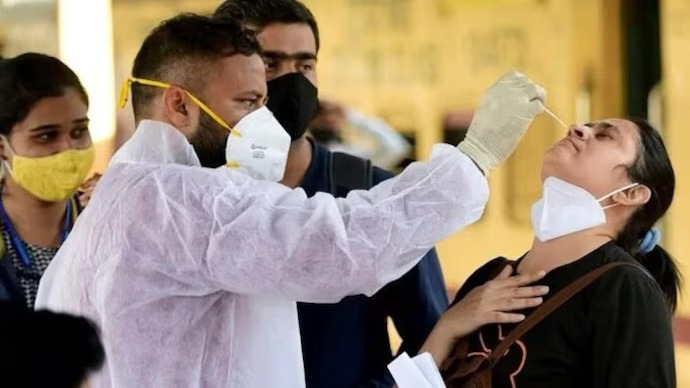
- Report symptoms and take an RT-PCR test if needed.
❌ Don’t:
- Ignore mild symptoms or treat them as “just a cold.”
- Spread rumors or fake news about COVID-19.
- Hoard medicines or oxygen cylinders.
- Attend social functions if symptomatic.
11. Expert Opinions: What Top Doctors and Scientists Are Saying
Dr. Randeep Guleria, former AIIMS Director, noted:
“We must not drop our guard. Even though the current variants are not as severe, mutation is a continuous process. The virus could evolve unexpectedly.”
Dr. Soumya Swaminathan, former WHO Chief Scientist, said:
“The virus is not gone, but our defenses have improved. Vaccination, public awareness, and quick reporting are our strongest weapons.”
Public health experts recommend data-driven micro-containment strategies rather than nationwide restrictions to manage any potential surge efficiently.
12. Global Context: How Is the Rest of the World Doing?
India is not alone in witnessing a resurgence. Several countries in Europe and Southeast Asia are also experiencing localized outbreaks:
- Japan and South Korea are dealing with Omicron sub-variant surges.
- US and UK health agencies are monitoring summer spikes and advising masks for high-risk individuals.
- Australia and New Zealand, with winter approaching, are preparing for an uptick in hospital visits.
India’s rise in cases aligns with global seasonal patterns, making cross-border monitoring and cooperation more important.
Conclusion: Staying Alert, Not Alarmed
The rise in COVID-19 cases in India, now totaling 3,758 active cases, is a timely reminder that the pandemic is not fully behind us. While the scale and severity are far lower than previous waves, complacency could prove costly. With effective vaccines, improved health infrastructure, and heightened public awareness, India is better equipped than ever before.
The path ahead requires collective responsibility—from government agencies, local authorities, media, and most importantly, from each individual. The message is clear: Stay cautious. Stay informed. Stay safe.
📌 Blog Meta Description
India records a rise in COVID-19 cases with 3,758 active infections as of June 1, 2025. Explore the reasons behind the surge, government response, symptoms, state-wise trends, and public safety measures.


https://shorturl.fm/Kp34g
https://shorturl.fm/hevfE