

Pariksha Pe Charcha Prime Minister Message to Students on Learning, Pressure, and Engagement
In the ninth edition of Pariksha Pe Charcha, the Prime Minister once again connected directly with students from across the country, creating an atmosphere of openness, reassurance, and motivation. The annual interaction has gradually become more than just a program; it is now a national platform where students, parents, and teachers come together to talk honestly about exams, expectations, and mental well-being. This edition focused strongly on academic pressure and the deeper meaning of learning.
During Pariksha Pe Charcha, students from different states shared their anxieties about examinations, competition, and the fear of failure. Many spoke about the pressure they feel from society, family, and sometimes from themselves. The Prime Minister listened patiently, responding with clarity and empathy, emphasizing that exams are important but should never define a student’s entire life or self-worth.
One of the most striking moments of Pariksha Pe Charcha came when a student asked why, despite studying hard, they often forget what they have learned during exams. The Prime Minister responded thoughtfully, explaining that learning is not just about reading or memorizing textbooks. He said that sometimes things learned are not remembered because the student is not fully engaged in the learning process.
This insight during Pariksha Pe Charcha resonated with millions of students watching the program live and later through recordings. The Prime Minister explained that true learning happens when the mind is curious, attentive, and emotionally connected to the subject. Simply going through the motions of studying, he said, does not guarantee understanding or long-term memory.
In Pariksha Pe Charcha, he encouraged students to ask questions, explore concepts deeply, and relate what they learn to real-life situations. According to him, when learning becomes meaningful rather than mechanical, retention improves naturally. This advice challenged the traditional idea that longer study hours automatically lead to better results.
Another important theme discussed in Pariksha Pe Charcha was the burden of expectations. The Prime Minister acknowledged that many students feel overwhelmed by the constant comparison with peers and the pressure to score high marks. He reminded students that everyone has unique strengths and learning styles, and success cannot be measured by a single exam or rank.
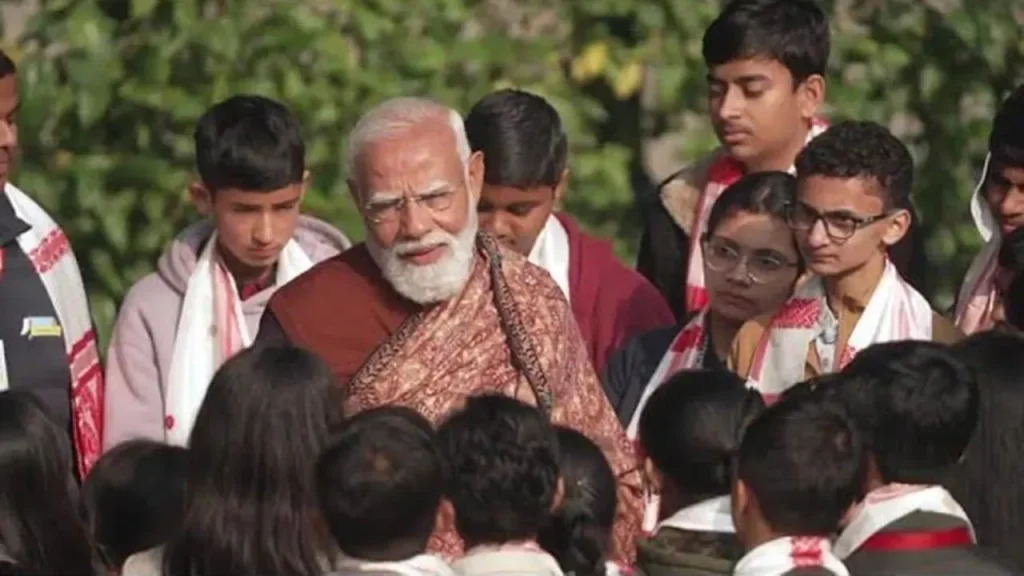
Through Pariksha Pe Charcha, the Prime Minister also addressed parents, urging them to become supporters rather than pressure creators. He emphasized that parents should focus on understanding their children’s interests and emotional state, instead of pushing them relentlessly toward predefined goals.
Teachers, too, were an important part of the conversation in Pariksha-Charcha. The Prime Minister highlighted the role of teachers in making classrooms more interactive and engaging. He said that when teachers encourage curiosity and dialogue, students feel more involved, which directly improves learning outcomes.
importance of mental health
A recurring message in Pariksha-Charcha was the importance of mental health. The Prime Minister spoke openly about stress, anxiety, and fear, reassuring students that these feelings are normal. He encouraged them to talk openly, seek help when needed, and practice activities like meditation, sports, or creative hobbies to maintain balance.
During Pariksha Pe Charcha, the Prime Minister also emphasized time management. He advised students to create realistic study schedules that include breaks and leisure time. According to him, continuous studying without rest reduces concentration and leads to burnout, which negatively affects memory and performance.
Technology and distractions were another topic discussed in Pariksha Pe Charcha. While acknowledging the benefits of digital tools, the Prime Minister warned against excessive screen time and constant notifications. He advised students to use technology wisely, as a tool for learning rather than a source of distraction.
The discussion in Pariksha Pe Charcha also touched upon self-confidence. The Prime Minister encouraged students to trust themselves and their preparation. He said that fear often blocks memory during exams, even when a student knows the answers well. Staying calm and confident, he noted, is key to performing well.
One powerful message from Pariksha Charcha was about redefining failure. The Prime Minister explained that failure is not the opposite of success but a part of the journey toward it. He urged students to view mistakes as opportunities to learn and grow, rather than as reasons to feel ashamed or discouraged.
Prime Minister shared examples from his own life
In Pariksha Pe Charcha, the Prime Minister shared examples from his own life, illustrating how continuous learning and engagement helped him overcome challenges. These personal anecdotes made his message more relatable and inspiring for young listeners.
The program Pariksha Pe Charcha also highlighted the importance of physical health. The Prime Minister reminded students that a healthy body supports a healthy mind. Proper sleep, regular exercise, and a balanced diet, he said, play a crucial role in concentration and memory.
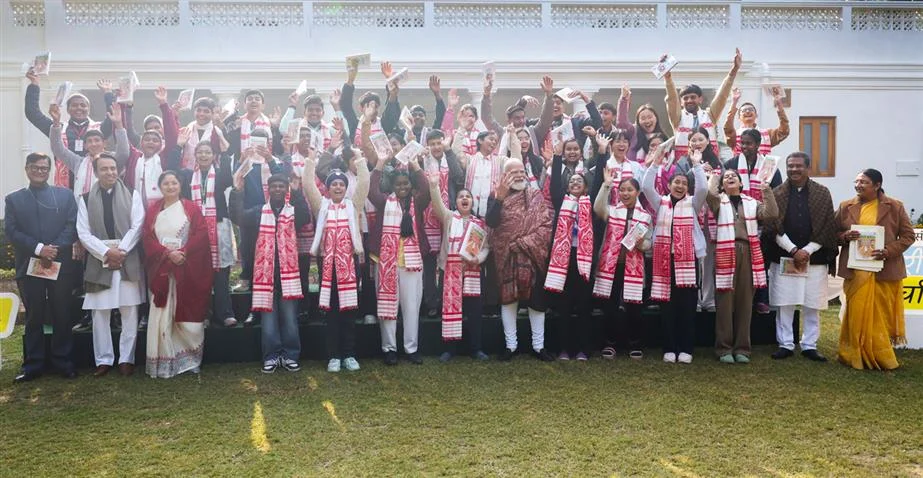
Another significant takeaway from Pariksha Pe Charcha was the idea of joyful learning. The Prime Minister encouraged students to find joy in discovering new ideas rather than treating education as a burden. When learning is enjoyable, he said, engagement increases naturally.
Through Pariksha Pe Charcha, the Prime Minister reinforced the message that education is not just about exams but about building character, values, and critical thinking skills. He urged students to look beyond marks and focus on becoming responsible, curious, and compassionate individuals.
The interactive nature of Pariksha Pe Charcha made it especially impactful. Students felt heard, and their concerns were addressed directly by the country’s highest leadership. This connection helped reduce fear and made students feel supported at a national level.
Prime Minister also advised students to avoid unhealthy competition
In Pariksha Pe Charcha, the Prime Minister also advised students to avoid unhealthy competition. He emphasized collaboration, peer learning, and mutual support, stating that growth is faster when students learn together rather than viewing each other as rivals.

As the session concluded, Pariksha Pe Charcha left students with a sense of calm and clarity. The Prime Minister’s central message—that meaningful engagement in learning reduces stress and improves memory—offered a practical and hopeful approach to education.
Ultimately, Pariksha Pe Charcha once again proved why it has become a trusted platform for students across India. By addressing academic pressure with empathy, wisdom, and practical advice, the Prime Minister reminded students that exams are just a phase of life, and true learning is a lifelong journey driven by curiosity, engagement, and balance.
Read More latest news

