Pakistan Decision to Boycott India Match in T20 World Cup 2026 Sparks Global Debate: Kapil Dev Warns of Long-Term Damage to Cricket
The world of international cricket has once again found itself at the center of political and sporting controversy after Pakistan announced its decision to boycott the highly anticipated match against India in the T20 World Cup 2026, scheduled for February 15. The announcement has sent shockwaves through the global cricketing community, reigniting long-standing debates over politics, sportsmanship, and the future of cricket diplomacy.
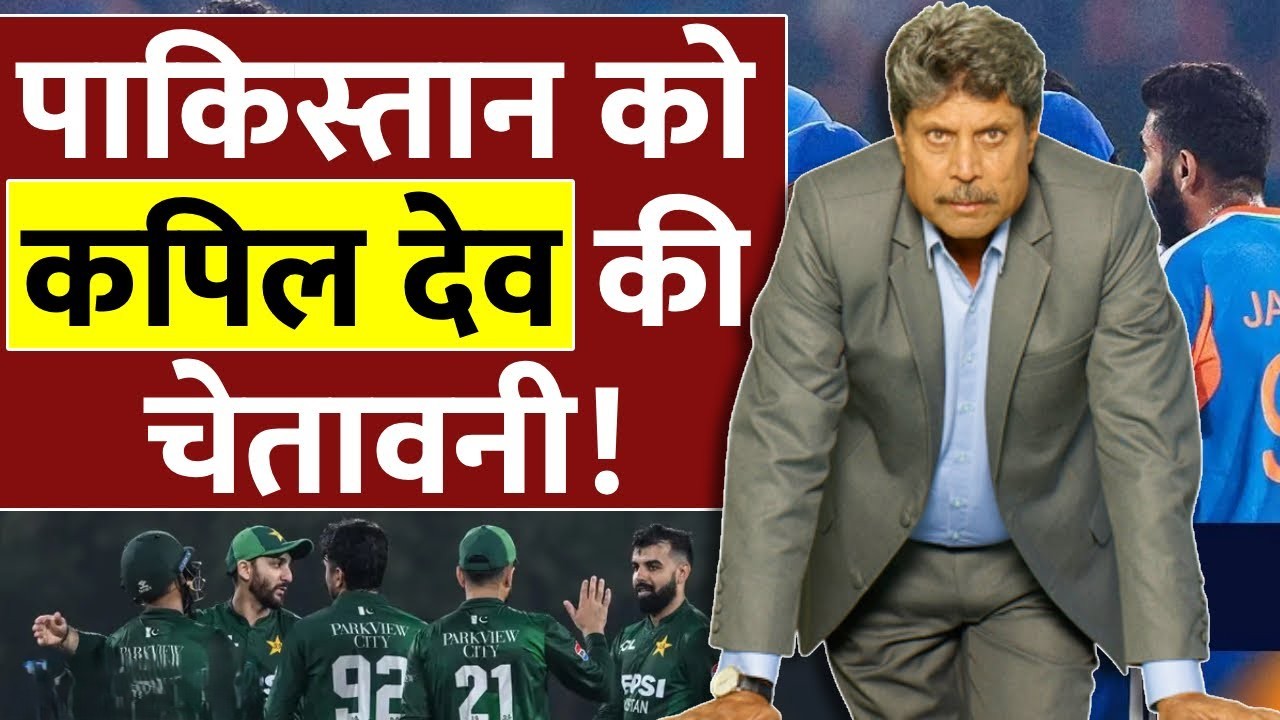
The reaction from former Indian captain and World Cup-winning legend Kapil Dev was swift and sharp. Kapil Dev said that such a decision would not only isolate Pakistan cricket internationally but would also prove damaging for the country’s younger generation and the long-term future of the sport itself.
This development has triggered intense discussions among cricket boards, former players, fans, and analysts across the world, as the India–Pakistan rivalry is widely considered the most commercially valuable and emotionally charged fixture in international cricket.
The Announcement That Shook World Cricket
Pakistan’s decision to boycott the match against India did not come entirely out of the blue. Relations between the two nations have been strained for years, and cricket has often become an extension of broader diplomatic tensions. However, the formal announcement regarding the T20 World Cup 2026 fixture surprised many, given the global nature of the tournament and the expectations of fans.
Cricket experts argue that an India–Pakistan match in a World Cup is not just another game—it is a global sporting event watched by hundreds of millions. Kapil Dev said that pulling out of such a match deprives young cricketers of the biggest stage to test themselves against elite competition.
Why the India–Pakistan Match Matters
The rivalry between India and Pakistan goes far beyond cricket. Matches between the two teams are often described as cultural phenomena rather than mere sporting contests. Stadiums sell out within minutes, broadcasters earn record revenues, and fans across continents tune in regardless of time zones.
By choosing to boycott the match, Pakistan risks losing not only competitive exposure but also financial opportunities. Kapil Dev said that cricket thrives on rivalries, and removing such a marquee contest hurts the global appeal of the game.

Kapil Dev’s Strong Reaction
Reacting to the controversy, Kapil Dev did not mince words. Kapil Dev said that sports should act as a bridge between nations, not a casualty of political disputes. According to him, history has repeatedly shown that cricket diplomacy has often helped ease tensions, even when governments were at odds.
He emphasized that young players in Pakistan would be the biggest losers. Kapil Dev said that representing one’s country in a World Cup match against a historic rival is a dream for any cricketer, and denying that opportunity could stunt both confidence and growth.
Impact on Pakistan Young Cricketers
One of the most critical aspects highlighted by Kapil Dev and other experts is the impact on Pakistan’s emerging talent. International exposure, especially in high-pressure matches, plays a crucial role in shaping a player’s career.
Kapil Dev said that young Pakistani players need such matches to develop mental toughness, adaptability, and global recognition. Without these opportunities, the next generation may struggle to reach their full potential on the world stage.
Cricket and Politics: A Complicated Relationship
Cricket has long been intertwined with politics, particularly in South Asia. Tours have been canceled, venues changed, and matches postponed due to diplomatic tensions. However, World Cups have traditionally been seen as neutral platforms where politics take a backseat.
Kapil Dev said that international tournaments are governed by global cricketing bodies and should not be subjected to unilateral decisions driven by politics. He warned that frequent boycotts could set a dangerous precedent for the future of international cricket.
Financial and Commercial Implications
The India–Pakistan match is one of the biggest revenue generators in world cricket. Broadcasters, sponsors, and host boards rely heavily on this fixture. By boycotting the match, Pakistan could face financial losses, while the tournament itself may see reduced commercial value.
Kapil Dev said that cricket boards must consider the economic ecosystem of the sport, which supports players, grassroots development, and infrastructure. Decisions that weaken this ecosystem ultimately hurt cricket as a whole.

ICC’s Position and Tournament Integrity
The International Cricket Council (ICC) has yet to issue a detailed response, but insiders suggest that any boycott could complicate tournament scheduling and points distribution. World Cups are designed to ensure fairness and competitive balance, and the absence of a key match could disrupt that structure.
Kapil Dev said that global cricket bodies must uphold the integrity of tournaments and ensure that political considerations do not undermine sporting fairness.
Fan Reactions Across the Globe
Fans from both countries and beyond have expressed disappointment and frustration. Social media platforms have been flooded with debates, with many arguing that cricket should rise above political conflicts.
Kapil Dev said that fans are the soul of the game, and ignoring their passion risks alienating future generations. He stressed that young fans, especially, look up to such matches as moments of inspiration.
Historical Examples of Cricket Diplomacy
Cricket has often played a role in soft diplomacy between India and Pakistan. Tours in the past have helped reopen channels of dialogue and foster people-to-people connections.
Recalling these moments, Kapil Dev said that cricket has the power to heal wounds and build bridges. Walking away from the sport’s unifying potential, he warned, could deepen divisions rather than resolve them.
The Competitive Angle: Losing a Benchmark
From a purely cricketing standpoint, playing against India offers Pakistan a crucial benchmark. India consistently fields one of the strongest teams in world cricket, and competing against them helps other teams assess their strengths and weaknesses.
Kapil Dev said that avoiding top competition is never beneficial for a team’s development. He argued that great teams are built by facing tough opponents, not by avoiding them.
Reactions from Former Cricketers
Several former players from different countries have echoed Kapil Dev’s concerns. Many believe that the decision could isolate Pakistan cricket at a time when the sport needs unity.
Kapil Dev said that legends of the game have a responsibility to speak out when cricket’s core values are threatened, and silence would only normalize damaging decisions.
Media Debate and Public Discourse
The boycott decision has dominated sports headlines and talk shows. Analysts are divided, with some defending Pakistan’s stance and others criticizing it as counterproductive.
Kapil Dev said that while differing opinions are natural, the long-term health of cricket should remain the top priority. Short-term political gains, he argued, should not dictate sporting decisions.

What This Means for the T20 World Cup 2026
If Pakistan follows through with the boycott, tournament organizers may be forced to revise schedules, adjust points systems, or even impose penalties. Such disruptions could overshadow the cricket itself.
Kapil Dev said that World Cups should be remembered for iconic performances and unforgettable matches, not for controversies and absences.
The Message to the Next Generation
Perhaps the most powerful aspect of Kapil Dev’s statement lies in his concern for the youth. Kapil Dev said that young players and fans learn values like resilience, respect, and unity through sport.
By politicizing cricket, he warned, these values risk being diluted. The message sent to aspiring cricketers could be one of avoidance rather than courage.
Can the Decision Be Reversed?
While Pakistan’s announcement has been firm, history suggests that such decisions can change under diplomatic or institutional pressure. Fans and former players hope that dialogue will prevail before the tournament begins.
Kapil Dev said that it is never too late to reconsider a decision when the greater good of the sport is at stake.
The Broader Impact on International Cricket
If boycotts become more common, international cricket could face fragmentation. Teams might begin to pick and choose fixtures based on non-sporting factors, weakening the global structure of the game.
Kapil Dev said that cricket’s strength lies in its universality, and preserving that universality should be the shared responsibility of all cricketing nations.
Conclusion: Cricket at a Crossroads
Pakistan’s decision to boycott the India match in the T20 World Cup 2026 has raised serious questions about the future of international cricket. While political realities cannot be ignored, the overwhelming response from the cricketing world suggests that sport must strive to remain a unifying force.
As Kapil Dev said, the true cost of such decisions is not measured only in missed matches or lost revenue, but in the opportunities denied to young players and the damage done to the spirit of the game. Whether this controversy leads to reconciliation or deeper division will depend on the choices made in the months ahead.
For now, cricket fans around the world can only hope that dialogue, diplomacy, and the love of the game will ultimately prevail over conflict.
Read More latest sport news