
Supreme Court Landmark Intervention Sparks Nationwide Cheers
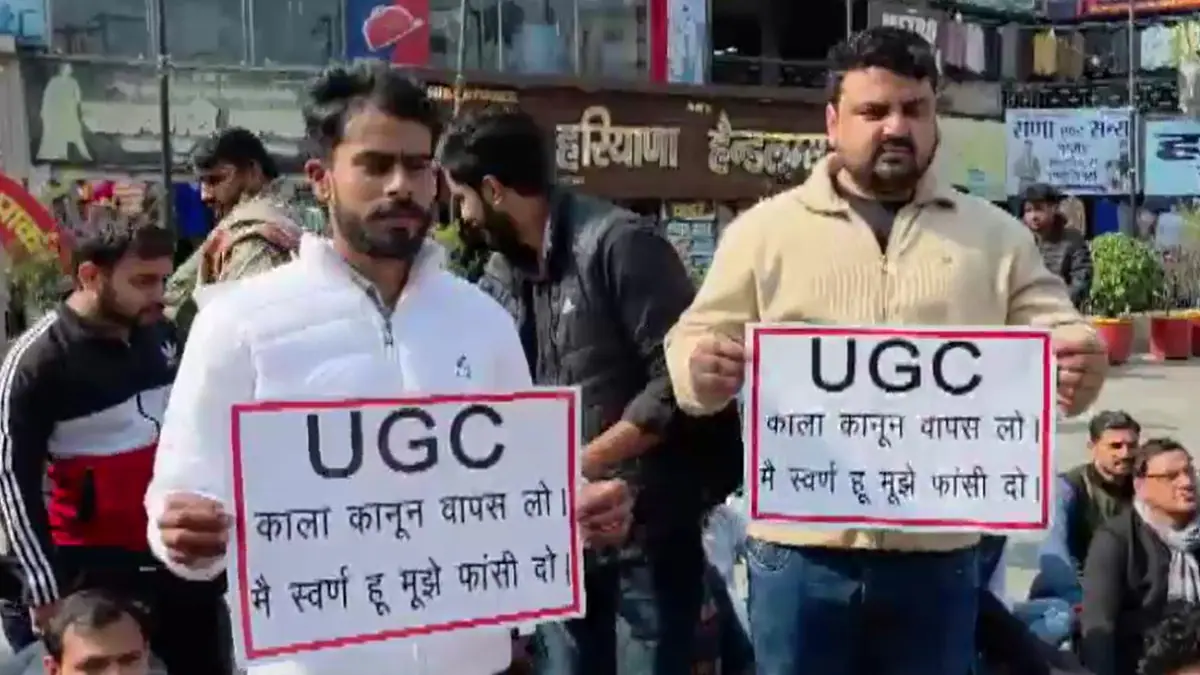
stay on the new UGC rule The Supreme Court’s recent decision to intervene in higher education policy has triggered widespread reactions across universities, student groups, and academic circles. The moment the apex court announced a stay on the new UGC rule, scenes of celebration unfolded outside court premises and on campuses, with people raising slogans of “Zindabad” in support of the judiciary. The development has once again placed the Supreme Court at the center of India’s democratic discourse, reinforcing its role as the guardian of constitutional values.
Background: What Is the New UGC Rule?
The University Grants Commission (UGC) introduced a new set of regulations aimed at restructuring certain aspects of higher education. These rules touched upon faculty appointments, eligibility criteria, administrative autonomy, and academic governance. Supporters of the regulation argued that it would streamline processes and bring uniformity across institutions. Critics, however, raised concerns that the changes could dilute academic freedom and undermine the autonomy of universities.
As opposition grew louder, petitions were filed before the Supreme Court, challenging the constitutional validity of the regulation. Petitioners argued that the new rules violated federal principles and encroached upon the rights of educational institutions. This legal challenge eventually led to the Supreme Court’s decisive move to impose a stay on the new UGC rule.
The Supreme Court Order What the Stay Means
By ordering a stay on the new UGC rule, the Supreme Court effectively paused the implementation of the regulation until further hearings. This means universities and colleges are not required to follow the new provisions for now and can continue functioning under the existing framework.
Legal experts note that such a stay does not amount to a final judgment but signals that the court found sufficient merit in the arguments raised by the petitioners. The judiciary’s intervention provides breathing space for stakeholders and ensures that irreversible changes are not made before constitutional scrutiny is completed.
Celebrations and Zindabad Slogans
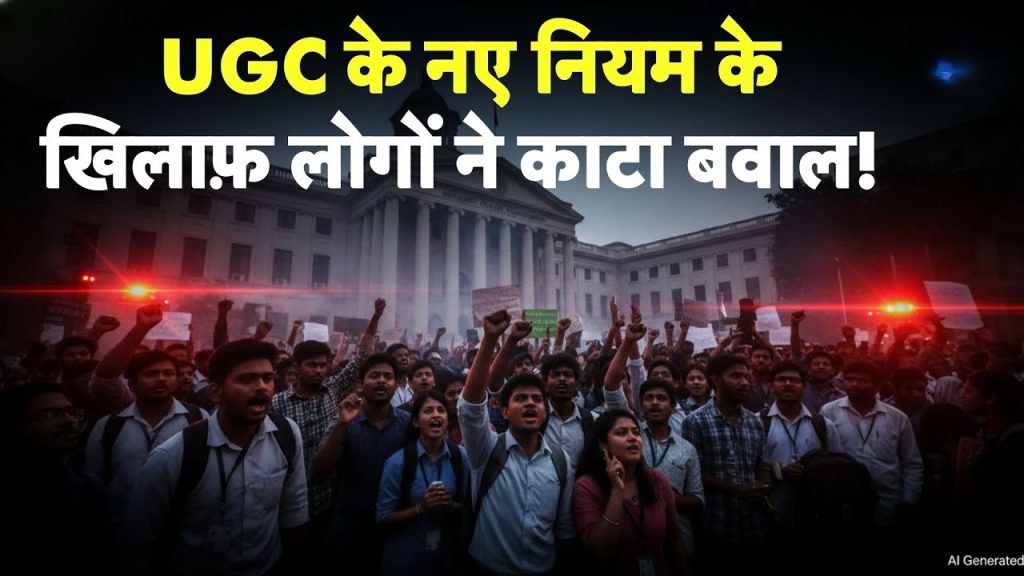
The announcement of the stay on the new UGC rule was met with spontaneous celebrations. Students, teachers, and education activists gathered in groups, raising slogans of “Supreme Court Zindabad.” For many, the decision symbolized hope that their concerns were finally being heard at the highest level.
Social media platforms were flooded with messages praising the court. Hashtags supporting the judiciary trended nationwide, reflecting a collective sense of relief among those who feared the immediate implementation of the rule.
Why the Decision Resonated with Students
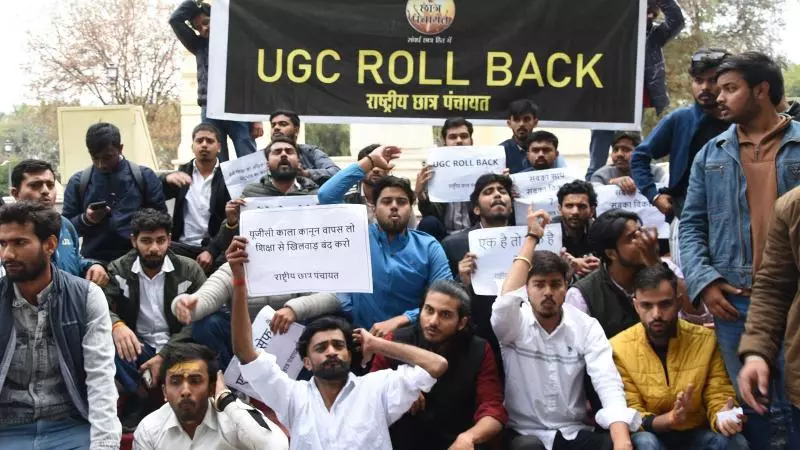
Students have been among the most vocal critics of the regulation. Many feared that the changes would affect admissions, grading systems, and future opportunities. The stay on the new UGC rule reassured them that their academic paths would not be abruptly altered.
Student unions emphasized that higher education reforms should be consultative rather than imposed. According to them, the court’s order restored balance and opened the door for dialogue between policymakers and stakeholders.
Faculty and Academic Community React
Faculty members across universities expressed cautious optimism after the stay on the new UGC rule. Teachers’ associations welcomed the pause, stating that the regulation required deeper discussion, especially regarding recruitment norms and service conditions.
Several senior academicians noted that reforms are necessary but should not come at the cost of institutional independence. The Supreme Court’s intervention, they said, reaffirmed the importance of academic autonomy in a democratic society.
Political Reactions and Public Debate
The stay on the new UGC rule also sparked political debate. Opposition parties hailed the decision as a victory for democracy and federalism, while some ruling-party leaders maintained that the regulation was well-intentioned and aimed at improving standards.
Public discourse intensified as television debates and opinion columns analyzed the implications of the court’s order. The judiciary’s role as a neutral arbiter in contentious policy matters once again became a focal point of discussion.
Legal Perspective: A Check and Balance
From a constitutional standpoint, the stay on the new UGC rule highlights the system of checks and balances embedded in India’s governance. The judiciary’s ability to review executive and regulatory actions ensures that laws and rules align with constitutional principles.
Senior advocates pointed out that education falls under the Concurrent List, making cooperation between the center and states essential. Any regulation that disrupts this balance is likely to invite judicial scrutiny.
Impact on Universities and Administration
Administrators across institutions welcomed clarity after the stay on the new UGC rule. Many had expressed confusion over timelines and compliance requirements under the new framework. With the stay in place, universities can focus on academic activities without the pressure of sudden regulatory shifts.
However, administrators also acknowledged the need for reforms and expressed hope that the final outcome would strike a balance between standardization and flexibility.

The Road Ahead: What Happens Next?
The Supreme Court will now hear detailed arguments from all sides before delivering a final verdict. Until then, the stay on the new UGC rule will remain in force. Legal observers believe the case could set an important precedent for future education reforms.
Stakeholders are optimistic that the court’s involvement will lead to a more inclusive and transparent policy-making process.
Broader Significance for Indian Democracy
The celebrations following the stay on the new UGC rule underline public faith in the judiciary. When citizens chant “Zindabad” for the Supreme Court, it reflects trust in institutions that uphold rights and freedoms.
This episode also demonstrates how legal processes can serve as a platform for resolving complex societal issues, particularly in sectors as sensitive as education.
Conclusion: A Moment of Reflection and Hope
The Supreme Court’s decision to impose a stay on the new UGC rule has temporarily eased tensions and restored confidence among students, teachers, and institutions. While debates over education reform will continue, the court’s intervention ensures that changes undergo proper constitutional examination.
As the nation watches the proceedings unfold, one thing is clear: the dialogue around higher education has entered a more reflective phase. The stay on the new UGC rule has become more than a legal order—it is a symbol of democratic engagement, judicial oversight, and public participation.
In the coming months, policymakers, academics, and students alike will await the final judgment. Until then, the stay on the new UGC rule stands as a reminder that reforms must be balanced with rights, consultation, and constitutional values.
The chants of “Zindabad” echoing across campuses and court corridors capture the spirit of this moment, as citizens celebrate the stay on the new UGC rule and reaffirm their faith in the Supreme Court.
SEO Emphasis & Closing Note
This landmark episode, centered on the stay on the new UGC rule, will likely influence future education policies. Analysts believe the stay on the new UGC rule will encourage broader stakeholder consultations. For many, the stay on the new UGC rule represents judicial prudence. Ultimately, the stay on the new UGC rule has reinforced constitutional checks. As history records this phase, the stay on the new UGC rule will remain a defining chapter in India’s education reform debate.
Read more latest news

