
Air Pollution in Delhi-NCR Reaches Dangerous Levels: A Deep Dive Into Causes, Impact, and Urgent Solutions.
Air pollution in Delhi-NCR has once again raised serious alarm, reminding everyone that winter in the region comes not only with a drop in temperatures but also with a dramatic rise in toxic air. According to the Central Pollution Control Board (CPCB), the Air Quality Index (AQI) recorded at 6 a.m. on Friday stood at 384, a level categorised as very poor and inching dangerously close to the severe mark. This condition has triggered widespread concern, pushed policy discussions into urgency mode, and brought public health issues to the forefront.
For years, pollution in Delhi has been a recurring crisis, worsening every winter, and affecting millions of people across the capital and the surrounding NCR cities. In this comprehensive 3000-word blog, we explore why pollution in Delhi continues to rise, what the data indicates, how it affects public health, and most importantly, what steps the government and citizens can take to tackle this menace. The phrase “pollution in Delhi” has become a permanent part of India’s environmental conversation, reflecting a chronic issue rather than a seasonal event.
The Current Scenario: AQI Touching Alarming Heights
The Air Quality Index (AQI) is a numerical scale that helps people understand air pollution levels in their area. An AQI between 0–50 is considered good, 51–100 satisfactory, 101–200 moderate, 201–300 poor, 301–400 very poor, and 401–500 severe.
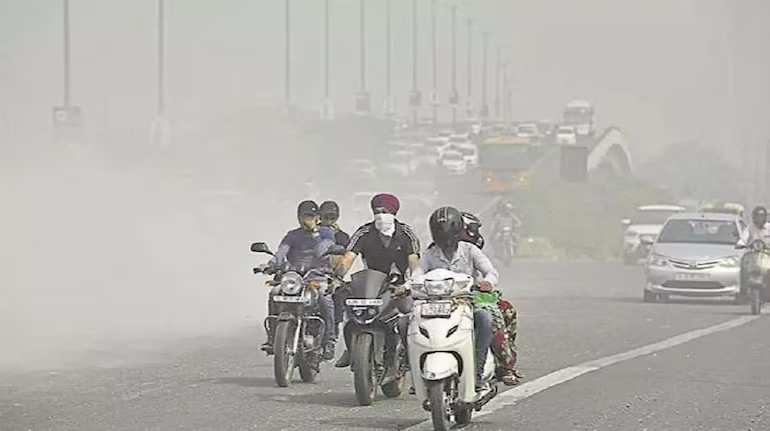
On Friday morning, the AQI of 384 clearly showed the severity of pollution in Delhi, pushing the city into a situation where people with respiratory diseases, the elderly, and children face increased vulnerability. Unfortunately, this isn’t a one-time spike. Every year around October and November, pollution in Delhi worsens due to a combination of geographic, climatic, and human factors.
It is important to understand why pollution in Delhi has reached this point despite years of policy interventions, public campaigns, and judicial monitoring. The answer lies in a complex web of factors that must be addressed collectively.
Why Does Pollution Spike Every Year? Understanding the Causes
1. Stubble Burning in Punjab and Haryana
One of the biggest contributors to pollution in Delhi during October and November is stubble burning in neighbouring states. Farmers burn crop residue to clear fields for the next sowing cycle. While the practice is banned, the lack of affordable alternatives forces many to use fire.
When thousands of fields burn simultaneously, smoke travels with the wind and blankets Delhi-NCR, drastically raising PM2.5 levels. This annual event plays a major role in intensifying pollution in Delhi during the early winter months.
2. Vehicular Emissions
Delhi has one of the highest densities of vehicles in the world. Cars, trucks, buses, and commercial vehicles release nitrogen oxides, carbon monoxide, and particulate matter that contribute significantly to pollution in Delhi.
Despite the introduction of BS6 fuel standards, the sheer number of vehicles continues to choke the city. Public transport needs improvement, and last-mile connectivity remains inadequate.
3. Industrial Pollution
Industries around Ghaziabad, Faridabad, Gurugram, Sonipat, Bhiwadi, and Noida generate massive emissions. Although many industries are mandated to use cleaner fuels, enforcement remains a challenge.
The industrial belt contributes a substantial portion of the pollution in Delhi, especially during winter when pollutants remain trapped in the lower atmosphere.
4. Construction Dust
Delhi-NCR witnesses continuous construction activity throughout the year—real estate, metro expansion, road building, and infrastructure development. Dust from these sites, when not controlled, becomes a major source of PM10 and PM2.5 particles.
This dust accumulates and contributes heavily to pollution in Delhi, especially when combined with dry winter winds.
5. Weather and Geography
Delhi’s geographical position in the Indo-Gangetic plains makes it naturally vulnerable. During winter, the cold air stays close to the ground, trapping pollutants and preventing them from dispersing. This situation worsens pollution in Delhi to dangerous levels.
The Health Impact: How Pollution Affects Millions
Doctors have repeatedly warned that continuous exposure to high levels of pollutants is equivalent to smoking multiple cigarettes a day. Given the recurring nature of pollution in Delhi, residents face harmful long-term health impacts.
Short-Term Effects
- Irritation in eyes, nose, and throat
- Difficulty breathing
- Coughing and wheezing
- Asthma attacks
- Fatigue and headaches
Long-Term Effects
- Chronic obstructive pulmonary disease (COPD)
- Lung cancer
- Heart disease
- Reduced lung function in children
- Complications in pregnancy
Hospitals report a significant increase in the number of respiratory patients every winter. With pollution in Delhi touching dangerous levels, vulnerable groups such as children, senior citizens, and those with pre-existing respiratory issues face heightened risks.
Government Measures: What Is Being Done?
Delhi and the central government implement various policies and emergency actions every year. Some of the significant steps taken to reduce pollution in Delhi include:
1. Graded Response Action Plan (GRAP)
GRAP is a comprehensive plan activated whenever pollution levels breach certain limits. It includes measures such as:
- Banning diesel generators
- Restricting construction activities
- Increasing parking fees
- Shutting schools when necessary
This year too, GRAP is in full force as pollution in Delhi rises beyond safe levels.
2. Anti-Smog Guns and PWD Sprinklers
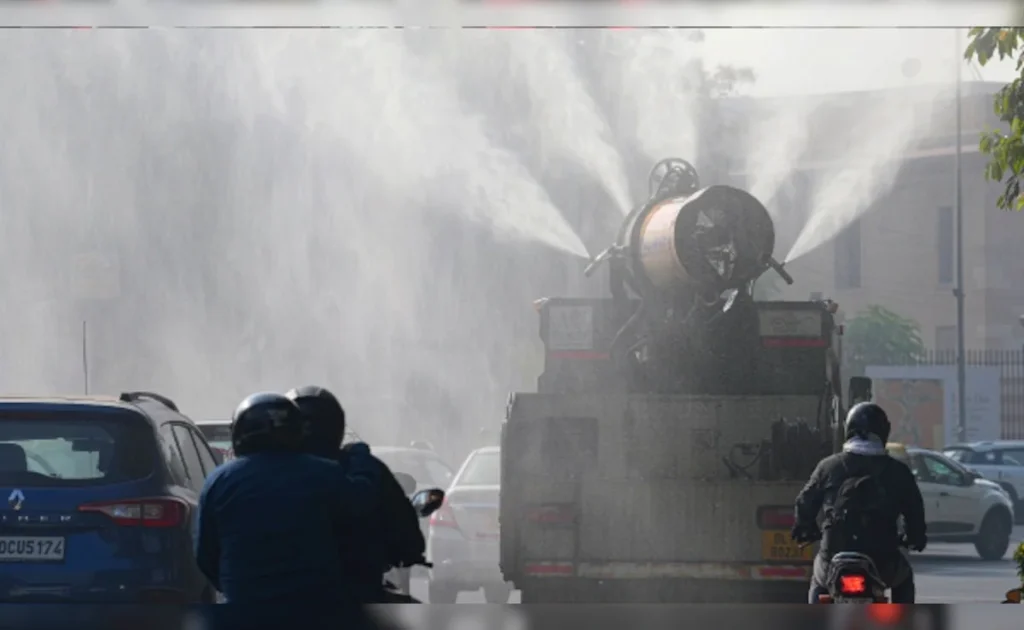
To control dust, the government deploys anti-smog guns and water sprinklers across major roads and construction sites. However, the scale of dust generation often outpaces these measures.
3. Odd-Even Scheme
The famous odd-even rule, where vehicles with odd-numbered plates run on certain days and even-numbered plates on others, has been applied multiple times. While it temporarily reduces vehicular traffic, experts say the impact on pollution in Delhi is modest.
4. Promotion of Electric Vehicles
The Delhi EV policy has been praised nationally. Increasing the number of electric autos, scooters, delivery vehicles, and private vehicles helps reduce emissions.
5. Restrictions on Firecrackers
Firecracker bans during Diwali are implemented to reduce toxic spikes. Nevertheless, lack of enforcement often results in severe deterioration of air quality.
Despite these efforts, pollution in Delhi remains a persistent issue, which means more aggressive, long-term strategies are required.
Why Existing Policies Are Not Enough
Experts argue that measures implemented so far are reactive rather than preventive. While they address immediate spikes, they do little to tackle the root causes of pollution in Delhi.
1. Lack of Regional Coordination
Air pollution does not respect borders. Pollution created in Punjab, Haryana, Uttar Pradesh, and Rajasthan all contributes to pollution in Delhi. Without inter-state coordination, solutions remain fragmented.
2. Enforcement Issues
Many construction sites do not follow dust control norms. Factories sometimes bypass government regulations. Public compliance with pollution rules remains low.
3. Insufficient Public Transport
Delhi needs a significantly stronger public transport system to persuade people to leave private vehicles at home.
4. Societal Attitudes
Citizens often underestimate their own role in reducing pollution in Delhi. Burning garbage, using personal vehicles unnecessarily, and ignoring eco-friendly alternatives all add to the problem.
How Can Citizens Help? The Role of Public Participation
Government policies alone cannot solve pollution in Delhi. Every resident can contribute meaningfully by making small but impactful lifestyle changes.
1. Avoid Unnecessary Vehicle Use
Carpooling, using public transport, or choosing bicycles and e-scooters can reduce emissions.
2. Stop Burning Garbage
Burning leaves and waste is illegal and harmful. Proper disposal and composting can drastically improve area-level air quality.
3. Plant More Trees
Green cover acts as a natural filter. Increasing plantation in residential areas can help minimize pollution in Delhi over time.
4. Use Air Purifiers and Masks
While these are defensive measures, they help reduce exposure to toxic air, especially during peak months.
5. Follow Government Advisories
During GRAP implementation, restrictions must be followed strictly for collective benefit.
Long-Term Solutions: What Needs to Be Done?
To truly reduce pollution in Delhi, long-term solutions must be implemented with seriousness and consistency.
1. Provide Farmers Alternatives to Stubble Burning
Crop residue management machines like happy seeders must be subsidized and made accessible.
2. Develop a National Clean Air Strategy
Since pollution in Delhi is not an isolated issue, a nationwide plan involving all air corridors is essential.
3. Strengthen Public Transport
Metro expansion, electric buses, last-mile connectivity, and cycling lanes are critical for reducing vehicular emissions.
4. Promote Clean Energy Industries
Industries must be shifted to cleaner fuels, and continuous monitoring is essential.
5. Urban Planning for Better Ventilation
Delhi needs more open spaces, green belts, and better city planning to reduce pollution buildup.
Conclusion: A Crisis That Demands Collective Action
As the AQI touched 384 today, a grim reminder has surfaced once again—pollution in Delhi is not a seasonal problem but a chronic public health emergency. Millions breathe toxic air every day, and unless all stakeholders—government, judiciary, industries, farmers, and citizens—come together, pollution in Delhi will continue to worsen every winter.
The health, economy, and overall quality of life in the national capital depend on timely action. The rise of pollution in Delhi must not be seen as inevitable; it must be treated as preventable.
With sustained effort, strong political will, and active public participation, India can bring down pollution in Delhi and ensure a healthier future for the generations to come.
Read more latest news

