
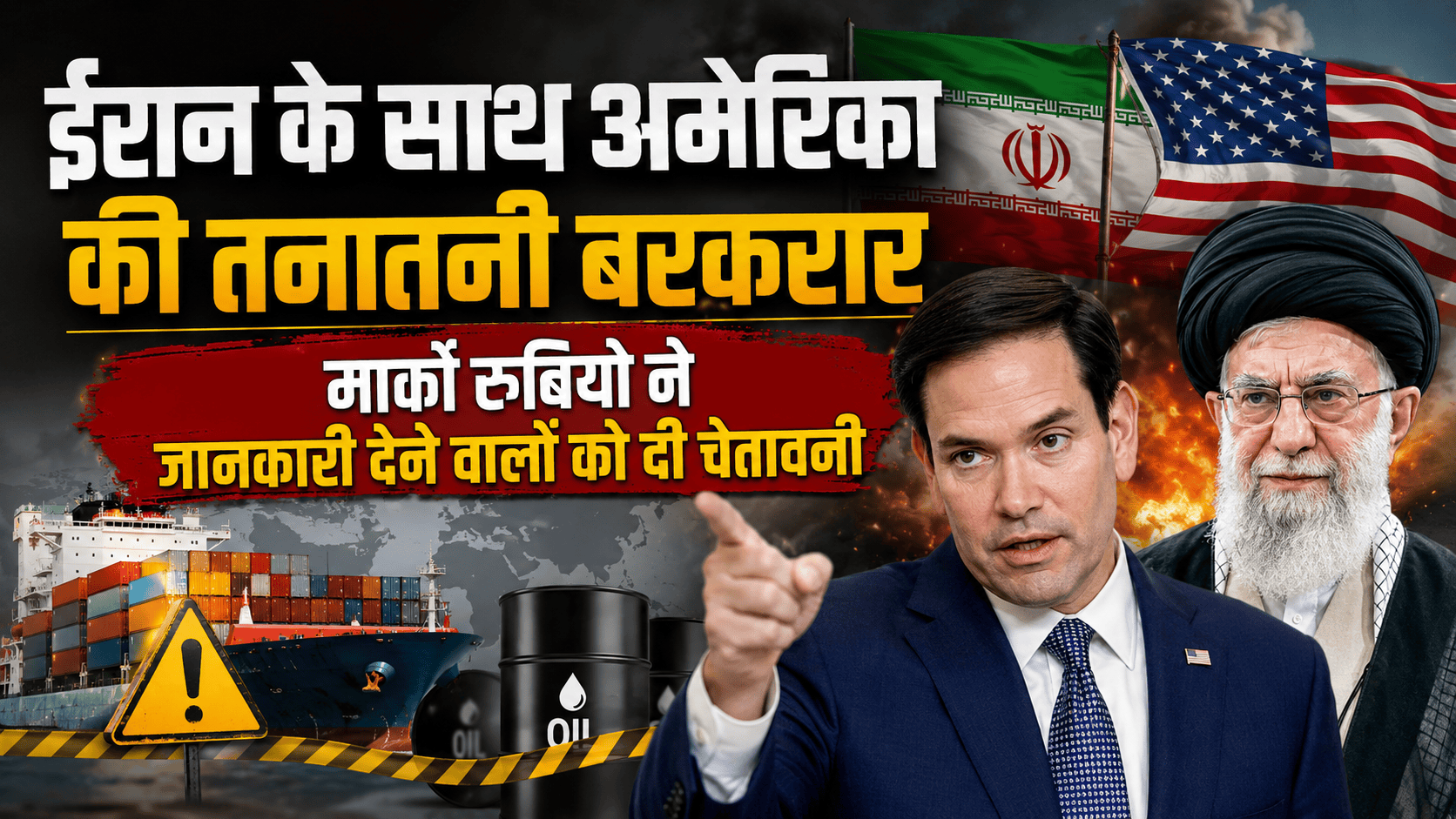
Tensions Between the US and Iran Persist as Marco Rubio Warns Countries Trading With Tehran
Tensions between the US and Iran persist as Washington and Tehran remain locked in a serious geopolitical confrontation. The relationship between the two countries has been marked by diplomatic disagreements, economic restrictions, military threats, and disputes over Iran’s regional activities. Amid the continuing confrontation, US Secretary of State Marco Rubio has issued a strong warning to countries that are currently trading with Iran or considering expanding their commercial relations with Tehran.
According to Rubio, the Trump administration is prepared to impose sanctions on countries that continue to conduct business with Iran despite US restrictions. His message was direct: the identity of the country involved will not prevent Washington from taking action if it believes American sanctions are being violated.
Rubio Issues Strong Warning
Tensions between the US and Iran persist while the United States continues to use economic pressure as one of its primary tools against Tehran. Marco Rubio’s latest warning reflects Washington’s broader strategy of discouraging international businesses and governments from maintaining commercial relationships with Iran.
Rubio stated that the Trump administration would not hesitate to impose sanctions on countries that continue trading with Iran. The warning sends a clear message to governments around the world that Washington expects them to carefully consider the potential consequences of economic engagement with Tehran.
For countries that depend on international trade, access to the American financial system, or US markets, the possibility of sanctions can represent a significant economic concern.
Why Trade With Iran Is Important
Tensions between the US and Iran persist partly because economic relations have become an important part of the wider confrontation. Iran has long attempted to maintain international trade despite American sanctions, while the United States has sought to restrict Tehran’s access to international markets and financial networks.
Iran has important energy resources and maintains commercial relationships with various countries. Its trading partners may have economic reasons for continuing business with Tehran, particularly when it comes to energy, industrial goods, transportation, and other strategic sectors.
However, US sanctions can create difficulties for companies and governments that want to maintain those relationships. Businesses may face restrictions on accessing American financial institutions or markets if they are determined to have violated applicable sanctions.
Pressure on International Partners
Tensions between the US and Iran persist as Washington attempts to increase pressure not only on Tehran but also on countries that maintain economic relationships with Iran.
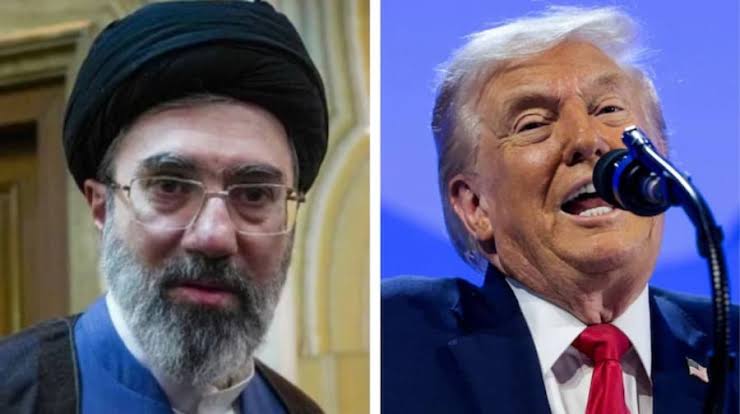
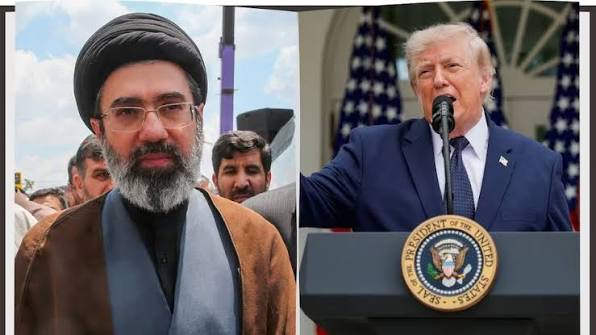
Rubio’s statement is therefore significant beyond the bilateral relationship between Washington and Tehran. It represents a warning to international partners that the Trump administration intends to enforce its sanctions policy aggressively.
Countries considering new agreements with Iran may now have to examine the potential consequences carefully. Governments could find themselves balancing their economic interests against their relationships with the United States.
This creates a complicated diplomatic environment in which commercial decisions can have broader geopolitical consequences.
Iran’s Economic Challenges
Tensions between the US and Iran persist against the backdrop of Iran’s long-running economic difficulties. American sanctions have affected several areas of the Iranian economy, including energy exports, banking, investment, and international financial transactions.
Iran has attempted to adapt by strengthening economic relationships with countries willing to continue doing business with it. Tehran has also sought alternative financial mechanisms and trading arrangements to reduce its dependence on Western-controlled financial systems.
Nevertheless, increased American enforcement could make international companies more cautious about entering into agreements with Iranian businesses.
The Trump Administration Approach
Tensions between the US and Iran persist as the Trump administration adopts a firm approach toward Tehran. The warning from Rubio suggests that Washington does not intend to make exceptions simply because a country has separate economic or diplomatic interests.
The administration’s position is that countries choosing to trade with Iran should understand that they may face consequences under US sanctions policy.
This approach could increase pressure on Iran, but it may also create tensions between Washington and some of its international partners. Countries with strong economic interests in Iran may object to the extraterritorial impact of American sanctions.
Global Economic Implications
Tensions between the US and Iran persist with potential consequences extending far beyond the Middle East. Iran is an important player in the global energy market, and developments involving its oil and gas sector can influence international markets.
If sanctions restrict Iranian exports or make international companies reluctant to purchase Iranian energy, global supply conditions could be affected. Energy prices are influenced by numerous factors, including production levels, geopolitical risks, shipping conditions, and global demand.
For this reason, any major escalation between Washington and Tehran can attract attention from governments, financial markets, and energy companies around the world.
Diplomatic Risks
Tensions between the US and Iran persist and the latest warning could further complicate diplomatic efforts. Sanctions can be effective in creating economic pressure, but they can also make negotiations more difficult if targeted countries view the measures as excessive.
Iran has repeatedly opposed American pressure and has defended its right to maintain international economic relationships. Tehran is likely to view additional sanctions threats as part of Washington’s broader campaign to isolate the country.
At the same time, the United States argues that economic pressure is necessary to address concerns surrounding Iran’s policies and activities.
Countries Face a Difficult Choice

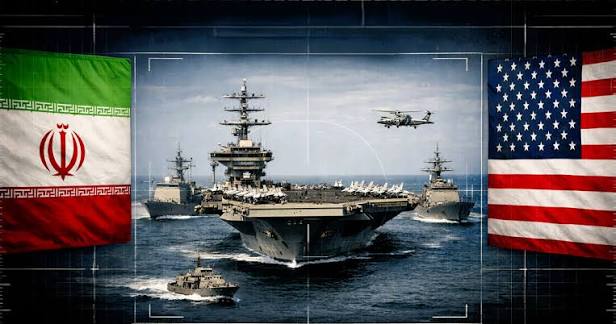
Tensions between the US and Iran persist as countries around the world face difficult choices about their economic relationships with Tehran. Some governments may believe that trade with Iran serves their national interests, while others may prioritize maintaining close economic and strategic ties with Washington.
Rubio’s warning effectively puts these countries on notice. Governments and companies will need to assess whether the benefits of trading with Iran outweigh the possible consequences of US sanctions.
The situation is particularly complicated for countries that maintain relationships with both the United States and Iran. They may attempt to find a balance that allows them to protect their economic interests without triggering punitive measures from Washington.
What Happens Next?
Tensions between the US and Iran persist and the coming months could determine whether the confrontation becomes more intense or moves toward negotiations. Much will depend on the policies adopted by Washington and Tehran, as well as the response of other major countries.
If the United States expands sanctions enforcement, international companies could become increasingly cautious about Iranian business opportunities. Iran, meanwhile, may continue seeking alternative trade partners and financial channels.
The possibility of diplomatic engagement cannot be ruled out, but significant disagreements remain.
Conclusion
Tensions between the US and Iran persist as the Trump administration continues its pressure campaign against Tehran. Marco Rubio’s warning to countries trading with Iran demonstrates that Washington is prepared to use sanctions as a tool to influence international economic behavior.
Tensions between the US and Iran persist despite efforts by various countries to maintain diplomatic and economic engagement with Tehran. The warning could force several governments to reconsider their commercial relationships with Iran.
Tensions between the US and Iran persist, and the situation remains closely connected to global energy markets, international diplomacy, and regional security.
Tensions between the US and Iran persist as both sides continue to defend their respective positions.
Tensions between the US and Iran persist, creating uncertainty for countries and businesses involved in Iranian trade.
Tensions between the US and Iran persist and Rubio’s latest statement indicates that Washington intends to maintain a tough stance.
Tensions between the US and Iran persist at a time when international attention remains focused on developments in the Middle East.
Tensions between the US and Iran persist, while countries trading with Tehran must carefully evaluate the risks associated with US sanctions.
Tensions between the US and Iran persist, making the future of Iran’s international trade relationships increasingly uncertain.
Tensions between the US and Iran persist, and further diplomatic developments could have significant regional and global consequences.
Read more latest news

