
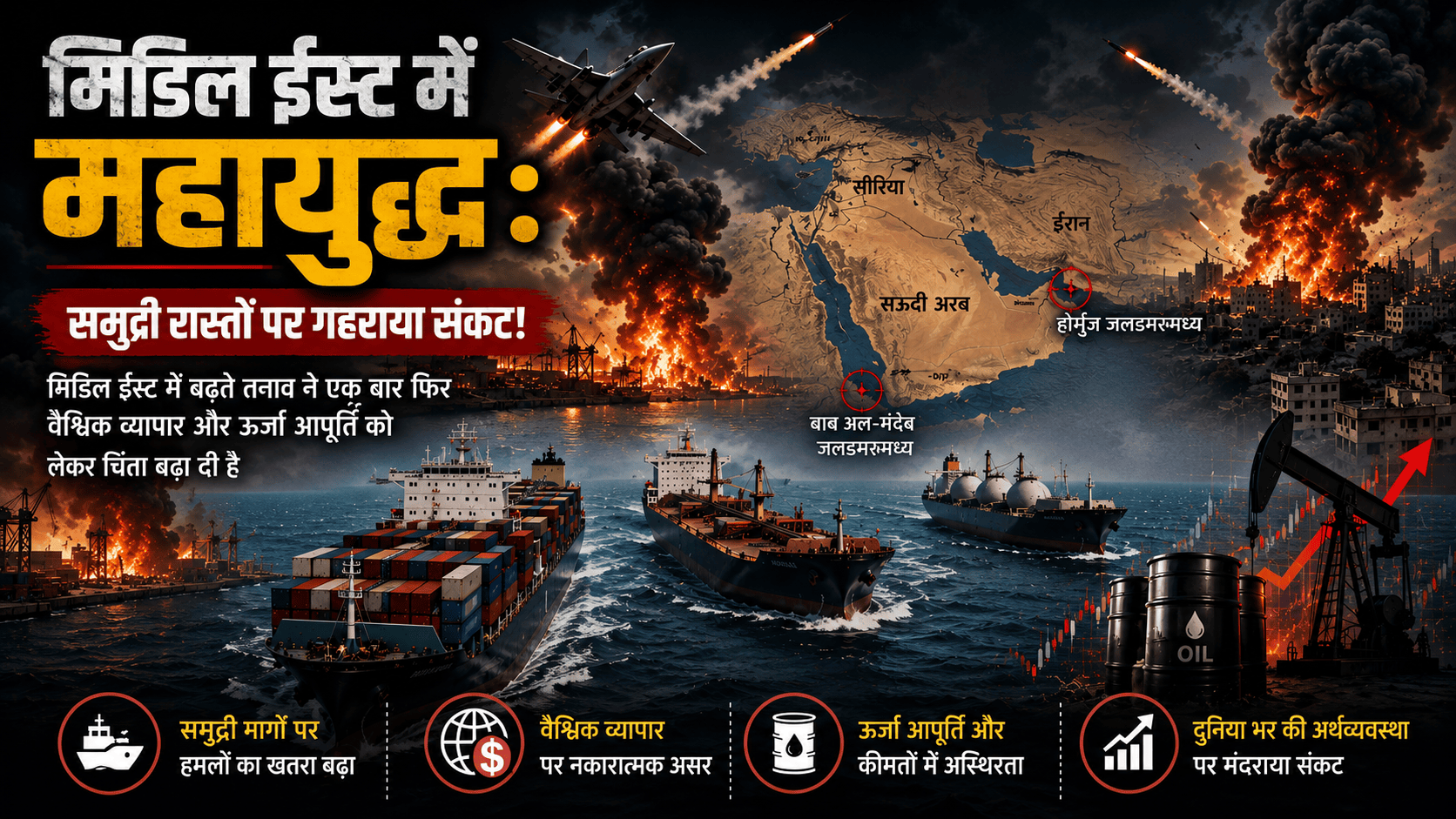
Middle East War: Sea Lane Crisis Deepens! Growing Threat to Global Trade, Oil Supply, and the World Economy
Introduction
As conflicts intensify and uncertainty spreads, experts are warning that the Sea lane crisis deepens, creating serious concerns for international shipping, energy security, and economic growth. The Middle East has once again become the center of global attention as rising tensions and military confrontations threaten regional stability. The region is not only important because of its geopolitical significance but also because it hosts some of the world’s most crucial maritime trade routes.
From the Strait of Hormuz to the Red Sea and the Suez Canal, these waterways serve as lifelines for global commerce. Every day, millions of barrels of oil, natural gas shipments, and commercial goods pass through these routes. Any disruption can trigger far-reaching consequences that affect countries and consumers worldwide. As diplomatic efforts continue, markets and governments remain on high alert because the Sea lane crisis deepens with every new escalation in the region.
Why the Middle East Matters to Global Trade
The Middle East occupies one of the most strategic positions in the world. It connects Asia, Europe, and Africa through a network of vital shipping corridors. More than a third of global seaborne oil trade passes through the region, making it indispensable for international energy markets.
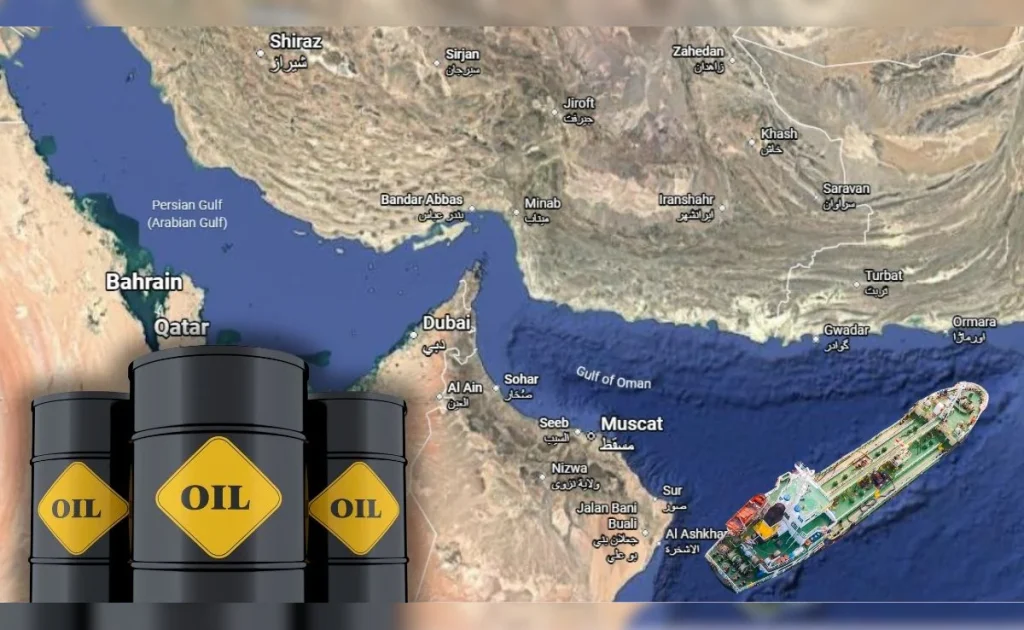
The Strait of Hormuz, located between Oman and Iran, is perhaps the most important energy chokepoint in the world. Likewise, the Bab el-Mandeb Strait links the Red Sea to the Gulf of Aden and serves as a gateway to the Suez Canal. Any disruption in these areas can significantly affect shipping times and transportation costs.
Today, concerns are mounting as the Sea lane crisis deepens, raising fears that maritime traffic could face delays, higher insurance costs, or even temporary closures. Such developments would impact not only oil-exporting countries but also economies dependent on imported energy and goods.
Rising Tensions and Maritime Security Risks
Recent developments in the Middle East have increased worries about the safety of commercial vessels operating in the region. Shipping companies are closely monitoring the situation, while governments are evaluating possible responses to ensure freedom of navigation.
The threat of attacks on cargo vessels, oil tankers, and strategic maritime infrastructure has become a major concern. Security analysts believe that if hostilities continue to intensify, the Sea lane crisis deepens and maritime operators may be forced to reroute ships through longer and more expensive paths.
Such diversions can add thousands of kilometers to voyages, increasing fuel consumption and transportation expenses. Ultimately, these additional costs are often passed on to businesses and consumers, contributing to inflation and economic uncertainty Sea lane crisis deepens.
Impact on Global Oil Markets
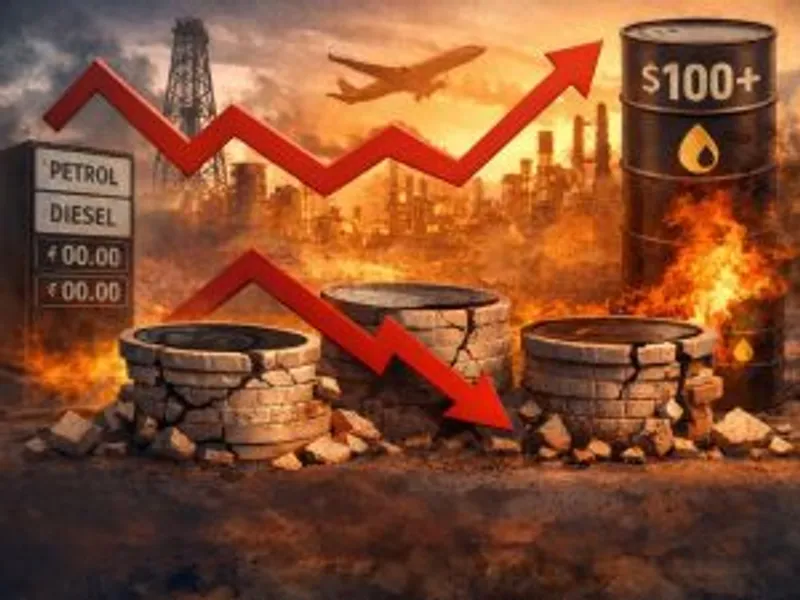
One of the most immediate consequences of instability in the Middle East is its effect on energy markets. The region accounts for a significant share of global oil production and exports. Even the possibility of supply disruptions can trigger sharp increases in crude oil prices.
Financial markets react quickly to geopolitical risks. Traders closely monitor developments because any interruption to shipping routes could reduce the flow of oil to major consumers in Asia, Europe, and North America.
As the Sea lane crisis deepens, energy companies are reassessing risk levels and supply chain vulnerabilities. Oil-importing nations are particularly concerned because higher energy prices can slow economic growth, increase production costs, and place additional pressure on households already dealing with inflation.
Furthermore, uncertainty in energy markets often affects investor confidence, leading to volatility in stock markets and foreign exchange rates Sea lane crisis deepens.
The Red Sea: A Strategic Waterway Under Pressure
The Red Sea has become one of the most closely watched maritime zones in the world. It serves as a critical route connecting Europe and Asia through the Suez Canal. Every year, thousands of commercial vessels pass through these waters carrying goods worth billions of dollars.
Recent security concerns have forced some shipping companies to reconsider their routes. When the Sea lane crisis deepens, businesses must evaluate whether the risks associated with operating in the region outweigh the benefits of maintaining traditional shipping schedules.
If major shipping lines continue to divert vessels around the Cape of Good Hope, transit times could increase significantly. Such delays would affect supply chains across multiple industries, including electronics, automobiles, consumer goods, and food products.
The Red Sea’s importance means that even minor disruptions can have major global consequences.
How Shipping Companies Are Responding
Shipping companies are among the first to feel the impact of regional instability. Maritime operators face difficult decisions regarding vessel safety, crew welfare, insurance premiums, and operational efficiency.
As the Sea lane crisis deepens, many firms are investing in enhanced security measures and contingency planning. Some have increased communication with naval forces operating in the region, while others are adjusting schedules and rerouting vessels.
Insurance costs for ships transiting high-risk zones have also risen sharply. War-risk premiums can add substantial expenses to shipping operations, making global trade more costly.
Companies that rely on just-in-time supply chains are especially vulnerable because delays can disrupt production schedules and inventory management systems.
Economic Consequences for Consumers
Although conflicts may occur thousands of miles away, their effects are often felt by ordinary consumers around the world. When maritime routes face disruption, transportation costs increase, and these expenses eventually influence retail prices.
The Sea lane crisis deepens at a time when many economies are still recovering from previous supply chain disruptions. Rising freight rates can lead to higher prices for imported goods, including electronics, clothing, household items, and food products.
Energy prices are another major concern. Increased oil and gas costs can affect transportation, manufacturing, and electricity generation. As a result, households may face higher fuel bills and increased living expenses.
This demonstrates how interconnected the global economy has become. Events in one region can quickly impact markets and consumers worldwide.
Diplomatic Efforts to Prevent Escalation
Governments and international organizations are actively working to prevent further escalation. Diplomatic engagement remains a critical tool for reducing tensions and ensuring the safety of international shipping routes.
World leaders understand that the Sea lane crisis deepens whenever negotiations stall or military confrontations intensify. Therefore, efforts are being made to encourage dialogue, reduce misunderstandings, and establish mechanisms for conflict management.
Several countries have also emphasized the importance of maintaining freedom of navigation under international law. Maritime security cooperation has become a priority as nations seek to protect commercial shipping and prevent disruptions to global trade.
The success of these diplomatic initiatives could play a crucial role in determining whether the situation stabilizes or deteriorates further.
Impact on Emerging Economies
Developing and emerging economies may be particularly vulnerable to prolonged disruptions in Middle Eastern sea routes. Many of these nations depend heavily on imported energy and manufactured goods.
As the Sea lane crisis deepens, higher shipping costs and energy prices can place significant strain on national budgets. Governments may face difficult choices regarding subsidies, inflation control, and economic growth strategies.
Countries in Asia and Africa that rely on maritime trade for economic development could experience slower growth if transportation costs remain elevated for an extended period.
This highlights the broader implications of regional instability and the importance of maintaining secure global trade corridors.
Strategic Importance of the Strait of Hormuz
The Strait of Hormuz remains one of the most critical maritime chokepoints on Earth. Approximately one-fifth of global oil consumption passes through this narrow waterway.
Analysts frequently warn that if the Sea lane crisis deepens and affects traffic through Hormuz, the consequences could be severe. Even temporary disruptions could trigger substantial increases in energy prices and create uncertainty in financial markets.
Because of its strategic importance, the strait is closely monitored by governments, military forces, and energy companies around the world. Any threat to its operation immediately becomes a matter of international concern.
Maintaining stability in this region is therefore essential for global economic security.
Global Markets React to Uncertainty
Financial markets dislike uncertainty, and geopolitical tensions often create volatility across multiple asset classes. Investors monitor developments in the Middle East because disruptions to trade and energy supplies can affect corporate profits and economic performance.
When the Sea lane crisis deepens, stock markets may experience fluctuations as traders assess potential risks. Commodity prices, particularly oil and natural gas, often react sharply to news of escalating tensions.
Currency markets can also be affected as investors seek safer assets during periods of uncertainty. This demonstrates how maritime security concerns extend beyond shipping and influence the broader financial system.
The Future of Global Supply Chains
Recent years have exposed vulnerabilities in global supply chains. Companies are increasingly seeking ways to reduce dependence on single transportation routes and improve resilience.
The current situation serves as another reminder that the Sea lane crisis deepens whenever critical maritime corridors face security threats. Businesses are now exploring alternative sourcing strategies, regional manufacturing hubs, and diversified transportation networks.
While these adjustments can enhance resilience, they also require significant investment and time. In the short term, many industries remain dependent on the efficient operation of Middle Eastern shipping routes.
Therefore, stability in the region remains a key priority for global commerce.
What Happens Next?
Predicting future developments in the Middle East is challenging. Much depends on diplomatic negotiations, regional politics, and the actions of various stakeholders involved in the conflict.
Experts agree that the Sea lane crisis deepens whenever tensions escalate without a clear path toward de-escalation. However, they also note that international pressure and diplomatic engagement can help reduce risks and prevent broader disruptions.
The coming weeks and months will be critical. Governments, businesses, and international organizations will continue to monitor developments closely and prepare for multiple scenarios.
Conclusion
The Middle East remains a cornerstone of global trade and energy security. The region’s strategic waterways play an essential role in connecting markets, transporting resources, and supporting economic growth worldwide.
As tensions continue to rise, concerns grow that the Sea lane crisis deepens and could have significant consequences for international shipping, oil supplies, and the global economy. From the Strait of Hormuz to the Red Sea, maritime routes are under intense scrutiny as governments and businesses assess potential risks.
The world is watching closely, hoping that diplomatic efforts will succeed in reducing tensions and preserving stability. The stakes are high because secure sea lanes are not only vital for regional prosperity but also for the functioning of the modern global economy.
In an interconnected world, the implications of conflict extend far beyond national borders. As the Sea lane crisis deepens, policymakers, industry leaders, and consumers alike must prepare for the challenges that may emerge while continuing to support efforts aimed at achieving peace, stability, and uninterrupted global trade.
Read more latest news

