
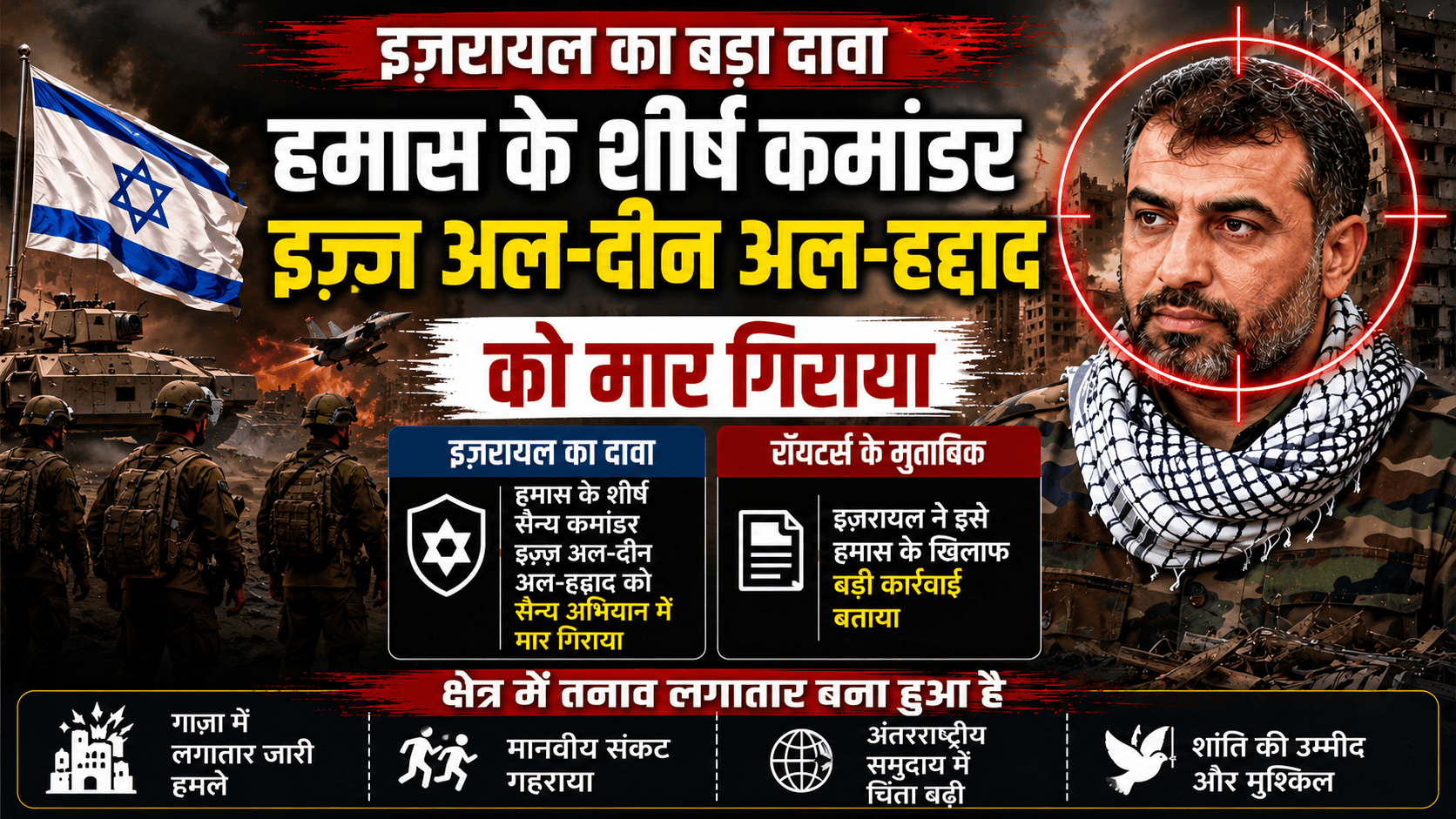
Israeli Military Operation in Gaza: Israel Says Hamas Commander Izz al-Din al-Haddad Targeted in Major Strike
The Middle East conflict has once again intensified after the Israeli military claims have killed Hamas’s top military commander, Izz al-Din al-Haddad, during a major military operation in Gaza. The operation has drawn worldwide attention as tensions in the region continue to rise amid ongoing clashes between Israeli forces and Hamas militants.
According to reports from Reuters, the Israeli government described the strike as one of the most significant military operations carried out against Hamas leadership in recent months. The Israeli military claims have killed one of the most influential commanders within Hamas’s armed wing, although Hamas has not officially confirmed his death at the time of reporting.
The incident has added fresh uncertainty to an already fragile situation in Gaza and has raised concerns about the possibility of further escalation across the region.
Who Was Izz al-Din al-Haddad?
Izz al-Din al-Haddad was considered one of Hamas’s most senior military leaders in Gaza. Israeli officials identified him as a key architect behind several Hamas operations, including attacks linked to the conflict that began in October 2023.
The Israeli military claims have killed Haddad in an airstrike targeting locations in Gaza City’s Rimal neighborhood. According to Israeli officials, Haddad had become the leader of Hamas’s military wing after the death of Mohammad Sinwar in 2025.
Israeli authorities described Haddad as one of the most wanted Hamas commanders. Reports suggest he had survived multiple assassination attempts in the past and played a major role in rebuilding Hamas’s military capabilities in Gaza.
The Israeli military claims have killed a figure whom Israel considers central to Hamas’s operational command structure.
Details of the Gaza Operation
The military operation reportedly involved intense airstrikes on multiple targets in Gaza City. Witnesses and medical officials in Gaza stated that explosions struck residential buildings and vehicles in densely populated areas.
According to Reuters and other international media organizations, at least several Palestinians were killed and dozens injured during the strike. The Israeli military claims have killed Haddad, but there has been no independent confirmation regarding his exact fate.
Israeli Prime Minister Benjamin Netanyahu and Defense Minister Israel Katz issued a joint statement saying the operation was aimed at eliminating senior Hamas leadership responsible for attacks against Israeli civilians.
The Israeli military claims have killed one of the final senior Hamas commanders still operating openly within Gaza’s military hierarchy.
Why the Operation Matters
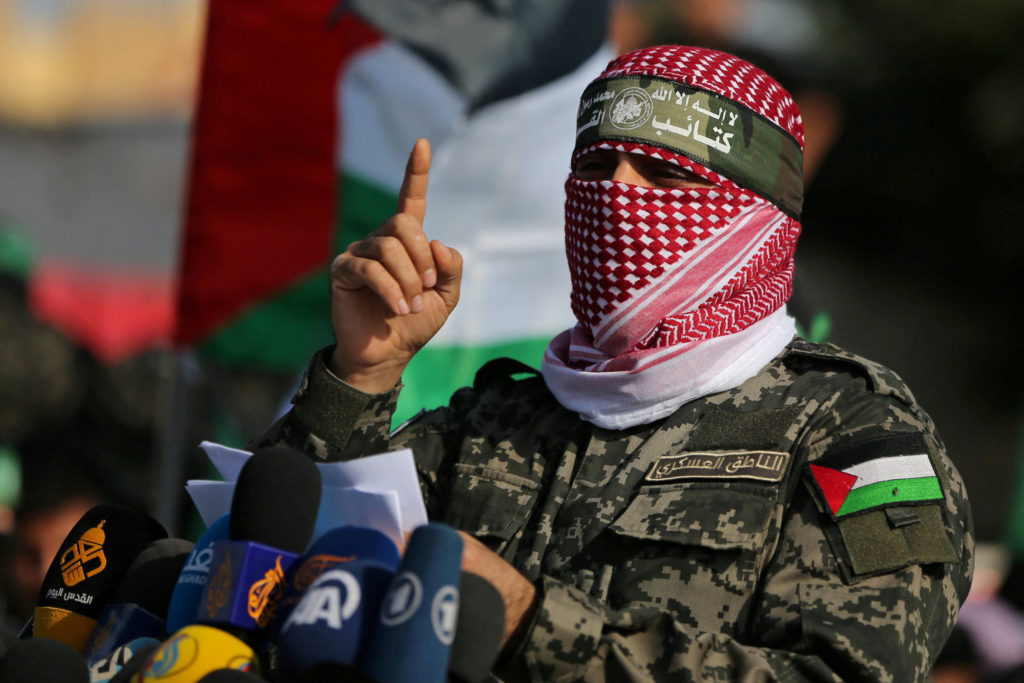
The operation is being viewed as strategically significant because Haddad reportedly held a top command position inside Hamas’s armed wing, the Al-Qassam Brigades.
The Israeli military claims have killed a commander who was deeply involved in Hamas’s military planning and battlefield coordination. Israeli analysts believe the strike could weaken Hamas’s operational command system, at least temporarily.
Security experts say targeting senior leaders has long been a core strategy of Israeli military operations against Hamas. Israel argues that eliminating high-ranking militant commanders disrupts operational planning and reduces the organization’s ability to coordinate attacks.
However, critics argue that such operations can also increase instability and fuel further violence in the region.
Hamas Yet to Confirm the Death
Despite Israel’s announcement, Hamas had not immediately confirmed whether Haddad was killed, injured, or survived the attack.
The Israeli military claims have killed the Hamas commander, but similar claims in past conflicts have sometimes remained unverified for days or even weeks.
In previous instances during the Gaza conflict, Hamas leaders believed dead later reappeared publicly. This history has led many international observers to wait for official confirmation from Hamas or independent sources before drawing conclusions.
Still, Israeli authorities appeared confident in describing the strike as a major operational success.
Impact on Gaza
The strike once again highlighted the devastating humanitarian conditions in Gaza. Residents reported scenes of destruction following the bombardment, with emergency teams searching through damaged buildings.
The Israeli military claims have killed a major Hamas leader, but the operation also resulted in civilian casualties, according to local medical officials.
International humanitarian organizations have repeatedly warned about worsening conditions in Gaza due to continuous military operations, shortages of medical supplies, damaged infrastructure, and displacement of civilians.
The latest escalation could further complicate efforts aimed at maintaining ceasefire agreements or reopening diplomatic negotiations.
International Reactions
The international community has reacted cautiously to reports that the Israeli military claims have killed Haddad.
Several governments called for restraint and urged both sides to avoid actions that could worsen regional tensions. The Middle East remains highly sensitive due to ongoing conflicts, political instability, and security concerns involving multiple regional actors.
Global powers continue to monitor developments closely because renewed fighting between Israel and Hamas could have broader geopolitical consequences.
The United Nations and humanitarian agencies have repeatedly appealed for efforts to protect civilians and reduce violence in densely populated areas of Gaza.
Israel Military Strategy Against Hamas
The operation reflects Israel’s continued focus on targeting Hamas leadership and military infrastructure. Since the outbreak of the Gaza war, Israeli forces have conducted numerous operations aimed at weakening Hamas’s command structure.
The Israeli military claims have killed several senior Hamas leaders over the course of the conflict, including commanders involved in military planning, tunnel operations, and rocket attacks.
Israeli officials argue that Hamas leaders operate within civilian areas, making military operations more complicated and controversial.
At the same time, international organizations have raised concerns about civilian casualties and destruction resulting from such strikes.
The Role of Intelligence Operations
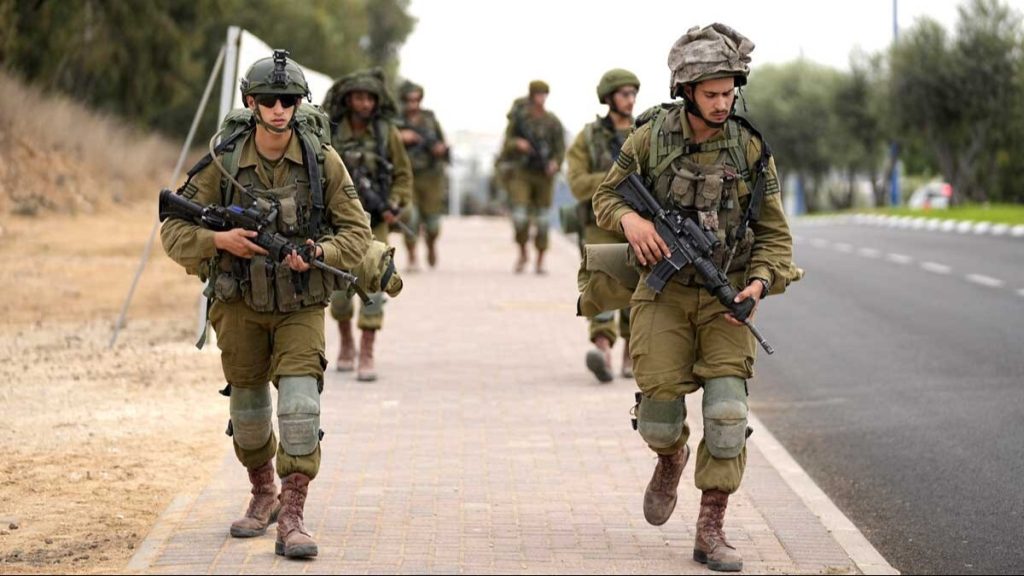
The reported targeting of Haddad also demonstrates the importance of intelligence gathering in Israel’s military strategy.
The Israeli military claims have killed the commander based on intelligence assessments and operational surveillance. Israeli intelligence agencies are believed to have spent months tracking the movements and communications of senior Hamas figures.
Military analysts say such operations require extensive coordination between intelligence agencies, air force units, and ground surveillance teams.
Israel has invested heavily in technological intelligence systems, drone surveillance, and cyber capabilities aimed at identifying militant leaders inside Gaza.
Regional Tensions Continue to Rise
The Middle East remains highly unstable, and the latest developments could further increase tensions across the region.
The Israeli military claims have killed one of Hamas’s most senior commanders at a time when diplomatic efforts to stabilize Gaza remain fragile.
Several regional powers have expressed concern that renewed escalation could impact broader security conditions across the Middle East.
The Gaza conflict has already affected regional politics, energy markets, trade routes, and international diplomacy over the past two years.
Humanitarian Concerns in Gaza
While military operations continue, humanitarian concerns remain severe in Gaza. Hospitals face shortages of medicine and equipment, while thousands of families continue to struggle with displacement and damaged infrastructure.
The Israeli military claims have killed a senior Hamas figure, but humanitarian groups stress that civilians continue to bear the heaviest burden of the conflict.
International aid agencies have called for increased humanitarian access and protection for non-combatants.
The latest strike has once again drawn attention to the difficult living conditions faced by ordinary residents inside Gaza.
Political Implications for Israel
Domestically, the operation may strengthen support for the Israeli government’s security policies. Israeli leaders have repeatedly promised to continue military pressure against Hamas leadership.
The Israeli military claims have killed a key operational commander responsible for attacks against Israel, which officials describe as a major security achievement.
Prime Minister Netanyahu has consistently argued that military action is necessary to protect Israeli citizens and prevent future attacks.
At the same time, political critics inside Israel continue to debate the long-term effectiveness of military solutions without broader diplomatic agreements.
Uncertainty Over Future Developments
Despite the significance of the operation, uncertainty remains over how Hamas will respond and whether the strike will alter the broader dynamics of the conflict.
The Israeli military claims have killed Haddad, but Hamas’s organizational structure has historically shown resilience even after losing senior leaders.
Analysts believe the coming days will be critical in determining whether tensions escalate further or whether diplomatic channels can prevent wider conflict.
The region has witnessed repeated cycles of violence over the years, making long-term stability extremely difficult to achieve.
Media Attention Around the World
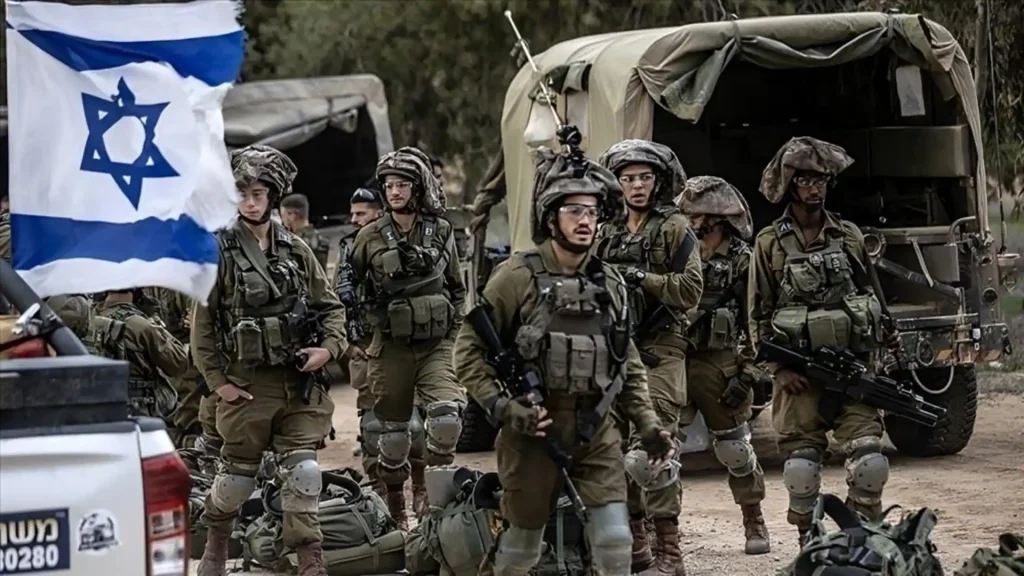
International media outlets closely covered the story after the Israeli military claims have killed the Hamas commander during the Gaza strike.
Reuters, Associated Press, Euronews, and several other organizations reported on the operation, highlighting both the military significance and humanitarian impact.
Global audiences continue to follow developments in Gaza due to the conflict’s broader implications for international security and regional diplomacy.
Conclusion
The announcement that the Israeli military claims have killed Hamas military commander Izz al-Din al-Haddad marks another major moment in the ongoing Gaza conflict.
Israel has described the operation as a significant blow against Hamas leadership, while Hamas has yet to officially confirm Haddad’s death. The strike has intensified global attention on Gaza and raised concerns about further escalation in the region.
As military operations continue and diplomatic efforts struggle to gain momentum, the situation remains highly volatile. The Israeli military claims have killed one of Hamas’s most senior military figures, but questions remain about the long-term impact on the conflict and the possibility of renewed peace efforts.
The coming days are likely to determine whether the latest developments lead to deeper confrontation or renewed international pressure for negotiations and stability in the Middle East.
Read more latest news

