
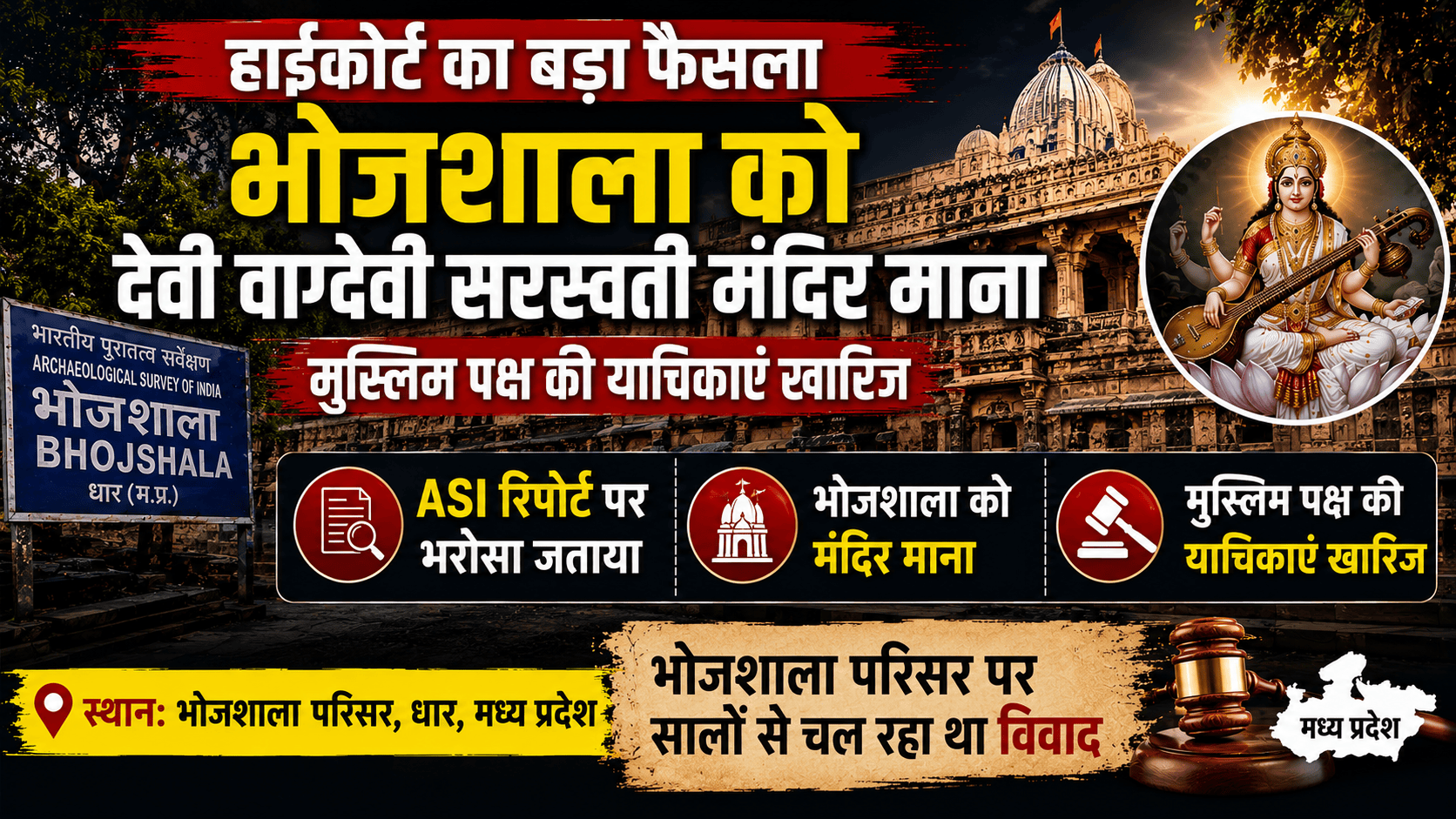
HC has issued decision Bhojshala: Indore Bench Recognizes Bhojshala as Vagdevi Saraswati Temple
The HC has issued decision Bhojshala based on findings presented in the Archaeological Survey of India (ASI) report, recognizing the Bhojshala complex as the Goddess Vagdevi Saraswati Temple while dismissing petitions filed by the Muslim side.
The historic Bhojshala complex in Dhar, Madhya Pradesh, has once again become the center of national discussion after the Madhya Pradesh High Court’s Indore bench delivered a major verdict regarding the disputed site.
The verdict has sparked strong reactions from different sections of society and has led to heightened security arrangements across Dhar district. The administration has placed the area under tight surveillance to maintain law and order after the HC has issued decision Bhojshala.
The High Court emphasized that historical and archaeological evidence presented before the court could not be ignored. The court also observed that if the Muslim community wished to offer prayers, they could request separate land from the government. The judgment is being considered one of the most significant legal developments concerning the Bhojshala dispute in recent years.
Background of the Bhojshala Dispute
The Bhojshala complex in Dhar has long been a subject of religious and historical debate. Hindus believe the site is an ancient temple dedicated to Goddess Saraswati, also known as Vagdevi, while Muslims have referred to it as the Kamal Maula Mosque.
The dispute over the site dates back several decades, with both communities claiming historical and religious rights over the complex. After the HC has issued decision Bhojshala, discussions surrounding the historical identity of the site have intensified once again.
Bhojshala is associated with the Paramara king Bhoj, who ruled the Malwa region during the 11th century. Historians believe that King Bhoj established centers of learning and temples dedicated to Goddess Saraswati, the Hindu deity of wisdom and knowledge.
Over time, the structure underwent multiple changes during different historical periods, which later contributed to the present-day legal and religious dispute.
ASI Report Played a Crucial Role
One of the most important factors behind the judgment was the report submitted by the Archaeological Survey of India. The court relied heavily on archaeological findings while delivering its verdict.
The HC has issued decision Bhojshala after considering evidence related to temple architecture, inscriptions, pillars, carvings, and other archaeological material found at the site.
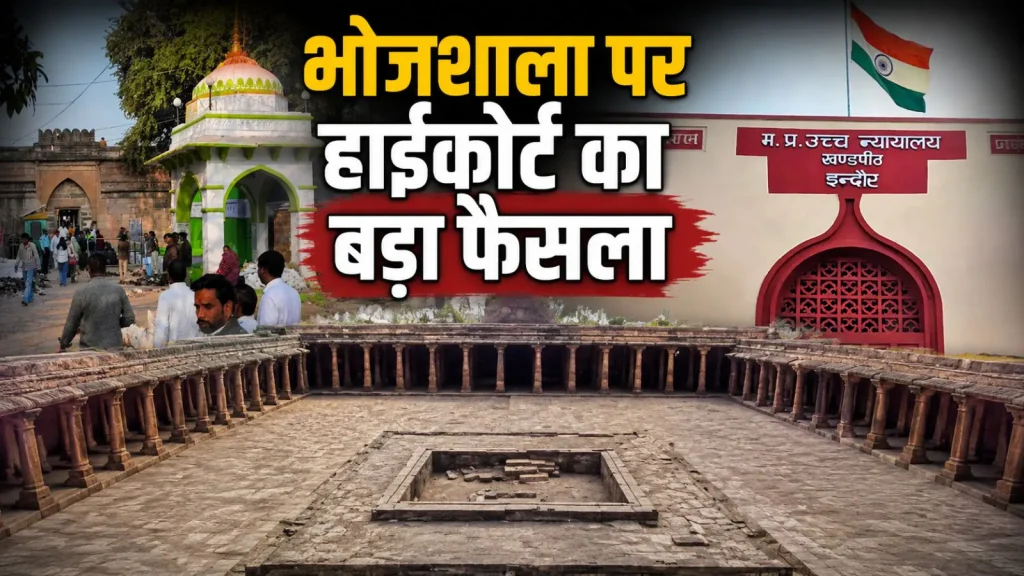
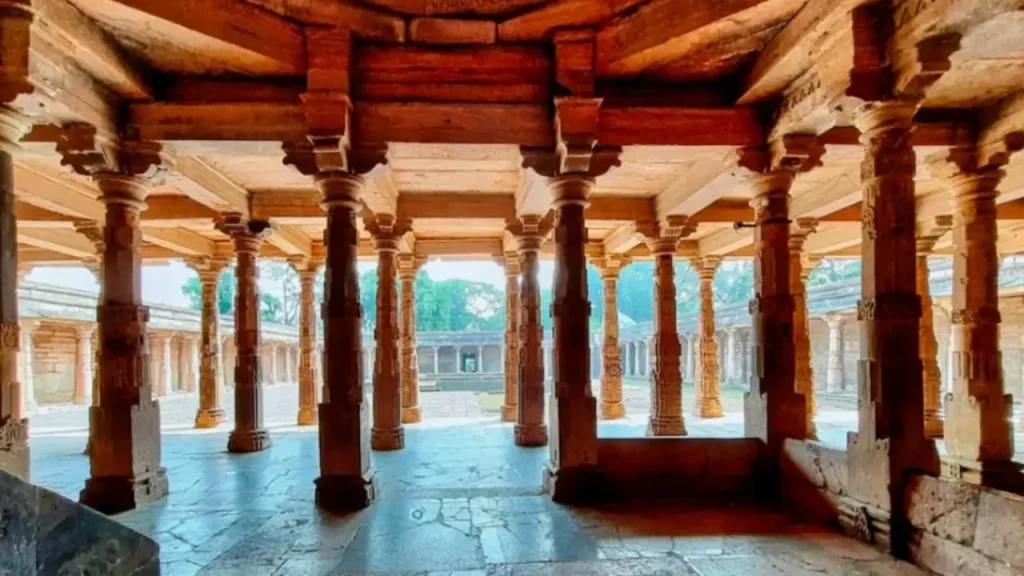
According to the ASI report, several features within the Bhojshala complex indicated the presence of a Hindu temple structure linked to Goddess Saraswati. The court observed that such evidence could not simply be ignored while deciding the matter.
The ASI’s findings reportedly strengthened the argument that the site originally functioned as a temple before undergoing changes during later historical periods.
Court Observations on Historical Evidence
During the proceedings, the High Court made strong remarks regarding the importance of historical and archaeological records.
The HC has issued decision Bhojshala while clearly stating that documented historical facts and archaeological evidence must be respected in legal disputes involving heritage structures.
The court emphasized that judicial decisions cannot overlook expert reports prepared after scientific examination. According to the judgment, the available material supported the claim that Bhojshala was historically connected to the worship of Goddess Saraswati.
The bench reportedly observed that preserving historical truth is essential while handling matters involving cultural heritage.
Muslim Side’s Petitions Dismissed
The Muslim side had challenged claims regarding the temple identity of the Bhojshala complex. However, after reviewing evidence and arguments, the court dismissed the petitions.
The HC has issued decision Bhojshala in favor of recognizing the structure as the Vagdevi Saraswati Temple based on available records and ASI findings.
The court also clarified that the dismissal of petitions did not prevent the Muslim community from seeking alternative arrangements for offering prayers. The bench suggested that separate land could be requested from the government if required.
This observation has become one of the most discussed aspects of the verdict.
Security Tightened in Dhar
Following the judgment, authorities in Madhya Pradesh immediately increased security arrangements in Dhar and surrounding areas.
The HC has issued decision Bhojshala, and in response, police forces were deployed across sensitive locations to prevent any untoward incidents. Barricades, surveillance systems, and additional patrol teams were reportedly placed near the Bhojshala complex.
Local administration officials appealed to citizens to maintain peace and communal harmony after the court verdict.
Senior police officers monitored the situation closely while intelligence teams remained on alert due to concerns over possible tensions between communities.
Political Reactions to the Verdict
The verdict triggered reactions from political leaders across Madhya Pradesh and the country.
Several Hindu organizations welcomed the decision after the HC has issued decision Bhojshala, calling it a victory for historical truth and cultural heritage.
Meanwhile, some political parties urged restraint and appealed for peace and harmony. Leaders from different communities emphasized the importance of maintaining communal balance and respecting the judicial process.
The issue is likely to remain politically sensitive because of its connection to religion, history, and heritage.
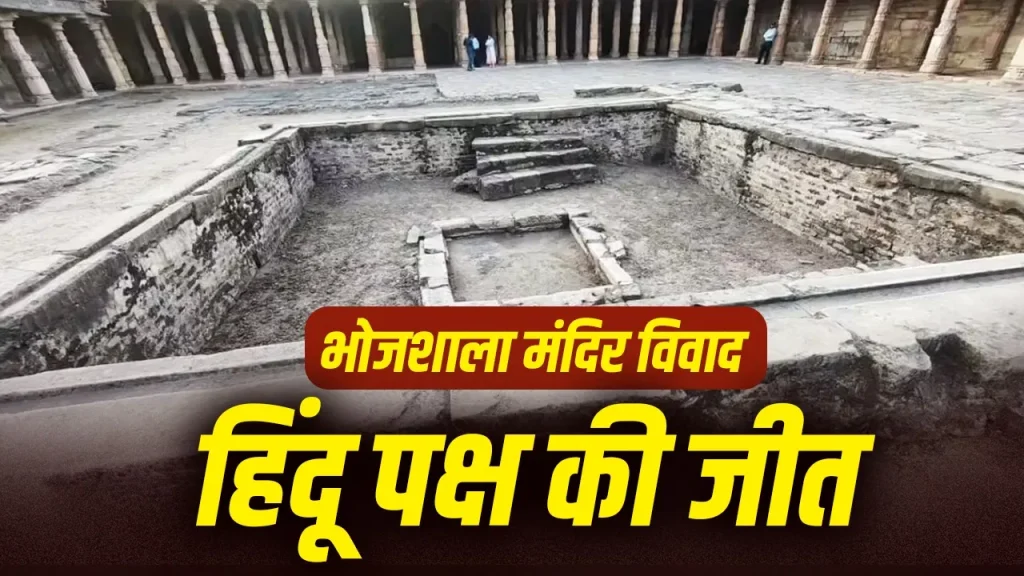
Historical Importance of Bhojshala
Bhojshala holds deep historical significance in Madhya Pradesh. Historians associate the site with ancient education systems and Sanskrit learning traditions during King Bhoj’s reign.
The HC has issued decision Bhojshala, bringing national attention once again to the cultural legacy of Dhar and the Paramara dynasty.
Several scholars believe Bhojshala served as a center of knowledge where Sanskrit scholars gathered for education and religious activities. The site contains inscriptions and artistic carvings that historians connect to medieval temple architecture.
Because of its rich historical background, Bhojshala has remained an emotionally sensitive issue for many people over the years.
Legal Journey of the Dispute
The Bhojshala matter has witnessed multiple legal and administrative interventions over the decades.
The HC has issued decision Bhojshala after years of petitions, debates, surveys, and hearings involving different groups.
In previous years, authorities allowed Hindus and Muslims access to the site on different days under administrative arrangements designed to maintain peace.
However, demands for exclusive rights and recognition continued from both communities, eventually leading to renewed legal proceedings.
The latest verdict may influence future legal and administrative decisions regarding access, management, and religious practices at the site.
Archaeological Findings and Their Significance
Archaeological evidence played the most decisive role in the High Court’s judgment.
The HC has issued decision Bhojshala after examining ASI findings that reportedly included temple-style pillars, sculptures, Sanskrit inscriptions, and architectural features associated with Hindu temples.
Experts argue that archaeological reports are critical in disputes involving ancient heritage sites because they provide scientific and historical analysis rather than emotional or political arguments.
The court’s reliance on ASI findings demonstrates the growing importance of archaeological evidence in heritage-related legal matters.
Impact on Communal Harmony
Authorities are now focusing heavily on maintaining communal peace after the verdict.
The HC has issued decision Bhojshala, and officials have urged people not to spread rumors or provocative messages on social media platforms.
Religious leaders from different communities also appealed for calm and mutual respect. Administrators warned that strict action would be taken against anyone attempting to disturb public order.
Maintaining harmony remains a top priority because the Bhojshala issue has historically been sensitive.
Public Response Across Madhya Pradesh
The verdict generated strong public reactions throughout Madhya Pradesh.
After the HC has issued decision Bhojshala, supporters gathered in some areas expressing satisfaction with the ruling. Several Hindu organizations described the verdict as recognition of cultural and historical identity.
At the same time, community leaders urged people to respond peacefully and avoid confrontational activities.
Social media platforms were flooded with debates, historical discussions, and political opinions regarding the court’s observations.
Importance of Heritage Preservation
The Bhojshala case also highlights broader questions about the preservation of historical and archaeological heritage in India.
The HC has issued decision Bhojshala, reinforcing the idea that ancient monuments and heritage structures should be studied carefully using archaeological and historical evidence.
Experts say disputes involving historical sites require balanced approaches that respect both heritage conservation and social harmony.
The case has renewed public interest in the role of the Archaeological Survey of India in documenting and preserving ancient structures.
Role of the Judiciary
The judiciary’s role in handling sensitive religious disputes has once again come into focus after the verdict.
The HC has issued decision Bhojshala while emphasizing evidence-based examination rather than emotional arguments.
Legal experts note that courts increasingly rely on documented evidence, expert reports, and constitutional principles while deciding matters involving religious structures.
The judgment is expected to be discussed extensively within legal and historical circles due to its implications for heritage disputes.
Administrative Challenges Ahead
Although the verdict has been delivered, administrative challenges may continue in the coming months.
The HC has issued decision Bhojshala, but authorities still need to determine how the site will be managed operationally, including arrangements for visitors, worship practices, security, and preservation efforts.
State authorities are expected to review legal guidelines and consult relevant departments before implementing long-term administrative plans.
Maintaining peace while respecting the court’s judgment will remain a major responsibility for local officials.
Broader National Discussion
The Bhojshala verdict has also triggered a broader national debate about historical identity, religious heritage, and archaeological interpretation.
The HC has issued decision Bhojshala, prompting discussions among historians, legal experts, political leaders, and social organizations across India.
Some view the judgment as an important recognition of historical evidence, while others stress the need for careful handling of sensitive religious matters.
The debate reflects how heritage-related issues continue to shape public discourse in India.
Conclusion
The decision delivered by the Indore bench of the Madhya Pradesh High Court marks a major development in the long-standing Bhojshala dispute.
The HC has issued decision Bhojshala based on the ASI report and historical evidence, recognizing the Bhojshala complex as the Goddess Vagdevi Saraswati Temple while dismissing petitions from the Muslim side.
The court’s remarks regarding archaeological evidence and alternative prayer arrangements have added further significance to the verdict. At the same time, authorities remain on high alert to ensure peace and stability in Dhar.
The HC has issued decision Bhojshala, but the social, historical, legal, and political discussions surrounding the issue are likely to continue for a long time. The verdict has once again highlighted the complex relationship between history, faith, law, and heritage preservation in India.
Read more latest news

