
Historical Background of India-Iran Relations
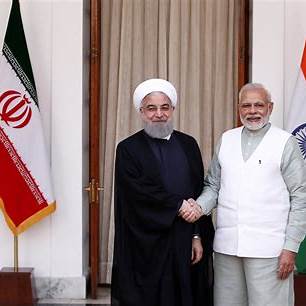
The relationship between India and Iran dates back centuries, enriched by cultural exchanges, trade, and geopolitical ties. In the modern context, both countries have consistently maintained diplomatic warmth, even during times of regional upheaval. Iran was one of India’s primary oil suppliers before the U.S. sanctions came into effect, and India, in turn, invested in several Iranian infrastructure projects, including roads, railways, and ports.
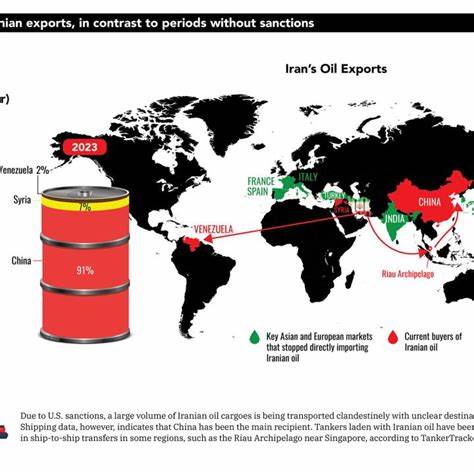
However, following Washington’s re-imposition of sanctions in 2018 after exiting the Joint Comprehensive Plan of Action (JCPOA), India’s crude oil imports from fell to zero. Despite that, political engagement never entirely stopped. High-level visits and backchannel diplomacy kept the foundation intact. Now, under pressure from renewed U.S. action, is revisiting this relationship, hoping to resurrect lost commercial and strategic links with New Delhi.
Why Iran Is Turning to India Again
Is increasingly finding itself boxed in by Western financial restrictions, limited access to the SWIFT system, and diplomatic isolation on the international stage. While it has cultivated ties with China, Russia, and Venezuela, these come with their own limitations and conditions. India, on the other hand, represents a large and stable democratic economy with significant energy needs and a growing appetite for regional influence.
Sees India’s role in Chabahar not just as a business partner but as a political counterweight to Pakistan’s China-backed Gwadar Port. For Iran, deepening relations with India offers economic relief, regional legitimacy, and a buffer against complete dependence on Beijing or Moscow.
Chabahar Port – The Geopolitical Game Changer
The Chabahar Port remains a linchpin in India-Iran relations. Located in southeastern, it provides India with access to Afghanistan and Central Asia, bypassing Pakistan. India has already invested heavily in developing the port and associated road infrastructure. The Chabahar-Zahedan railway, partially funded and constructed by Indian agencies, represents India’s intention to use the port for regional trade and strategic outreach.
Iran’s overtures to reinvigorate Chabahar investments are not coincidental. With U.S. sanctions limiting oil sales, leveraging infrastructure diplomacy becomes essential. Reports suggest that Tehran has offered additional concessions and tax relaxations to Indian firms to attract fresh investment and re-engagement.

India’s Calculated Response
While is eager, India remains cautiously optimistic. On the one hand, India wants to restore oil imports from Iran, which were previously offered at competitive rates with extended credit. On the other, India cannot afford to antagonize the United States, its strategic partner in the Indo-Pacific and a key source of defense technology and investment.
India’s strategy so far has been pragmatic — expressing interest in reengaging with without violating the frameworks imposed by U.S. law. India has also signaled to Washington the importance of Chabahar for regional stability, even securing waivers in the past. Whether that approach will still be feasible under the current U.S. administration is uncertain.
The U.S. Factor: A Tightrope Walk
India’s foreign policy must walk a tightrope between deepening its strategic partnership with the U.S. and maintaining regional independence. The Biden administration, while more multilateral than its predecessor, has continued aggressive sanctions on Iran. The recent crackdown on Chinese firms buying Iranian oil signals the seriousness of this policy.
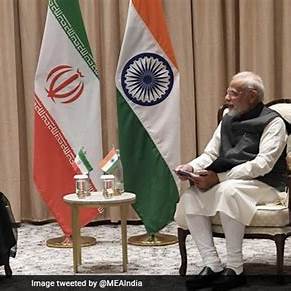
India’s Ministry of External Affairs (MEA) has remained largely quiet on this issue, possibly signaling backchannel diplomacy is at play. New Delhi will likely ask Washington for limited waivers on humanitarian or developmental grounds, particularly for Chabahar, which is positioned as a stabilizing initiative for war-torn Afghanistan.
Energy Security: A Long-Term Concern
India’s dependence on imported crude is no secret. Over 80% of India’s oil demand is met through imports. While countries like Saudi Arabia, Iraq, and the UAE currently dominate Indian crude supply, Iranian oil offers strategic advantages — lower freight, better refining quality (light, sweet crude), and flexible payment terms. Re-engaging with Iran could help diversify India’s energy basket, especially in a volatile global market affected by geopolitical tensions in the Red Sea and Ukraine.
Domestic Reactions in India
India’s energy and foreign policy analysts have welcomed the possibility of a return to normal ties with Iran. Strategic experts have called it an “opportunity window,” one where India can reassert its regional leadership role and access cheaper energy resources. At the same time, opposition parties and media commentators have urged the government to clarify its stance and ensure transparency in any long-term engagements.
Iran’s Charm Offensive
In recent months, Iran has launched a charm offensive aimed at India. Iranian diplomats have engaged with Indian think tanks, media, and business leaders to reignite interest in bilateral cooperation. Joint forums on connectivity and energy security have been proposed. Cultural events, film festivals, and academic partnerships are being revived as soft power tools to rebuild trust and goodwill in India.
The China Angle
China has significantly deepened its ties with Iran, investing billions through its Belt and Road Initiative (BRI). While Iran appreciates the economic support, there are growing domestic concerns about over-reliance on China, leading to fears of neocolonialism and debt diplomacy. India, by contrast, is viewed more positively as a pluralistic society with mutual respect for sovereignty.
This perception gap is something Iranian policymakers are eager to exploit. In fact, some Iranian analysts argue that strengthening ties with India could offer Iran a much-needed counterbalance to China’s dominance and prevent Beijing from monopolizing its economic future.
Future Outlook: Will Iran-India Ties Normalize?
All signs point to a potential thaw in India-Iran ties, but much depends on how flexibly both countries navigate the complexities of American foreign policy. India might resume oil trade under a rupee-rial mechanism, avoiding dollar transactions. Dual-use banking channels, already discussed in the past, could be revived. Moreover, collaborative ventures in agriculture, pharmaceuticals, and education may offer less politically sensitive avenues for renewed cooperation.
Ultimately, India will proceed with strategic patience, carefully weighing each step while ensuring that U.S. relationships are not jeopardized. Iran, on the other hand, must show commitment to honoring past agreements, reforming bureaucratic red tape, and providing guarantees to Indian investors wary of international fallout.
Conclusion
Iran’s re-engagement with India, driven by the fear of deeper U.S. tariffs, underscores the fragile balance in global geopolitics. For India, it offers both opportunity and risk — a chance to reestablish vital energy links and extend regional influence, but also the danger of falling afoul of global sanctions architecture.
As the situation evolves, it will be essential to watch how the Indian government positions itself: as a compliant U.S. ally or an independent power with its own diplomatic priorities. For now, one thing is clear — when Iran is in trouble, it remembers India. The question is, will India answer the call this time?
read more latest news

