
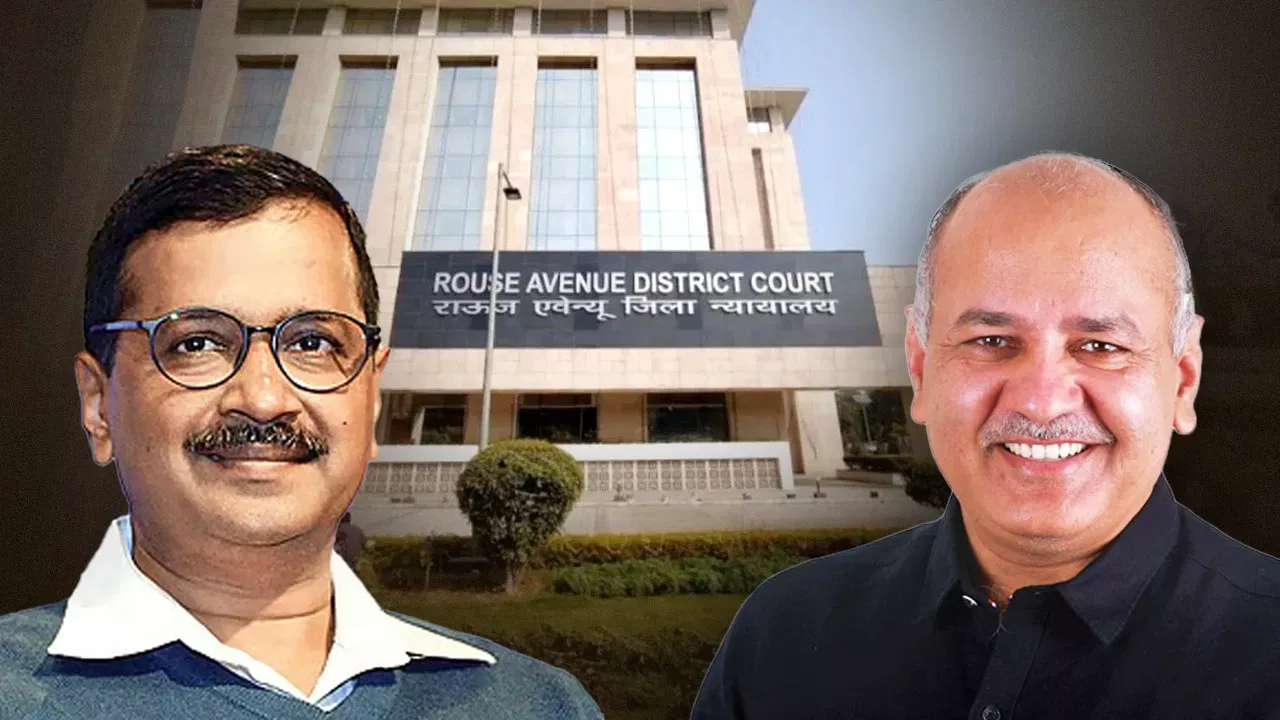
CBI case related Delhi liquor policy In a dramatic turn in one of India’s most closely watched political controversies, former Delhi Chief Minister and Aam Aadmi Party (AAP) convener Arvind Kejriwal addressed party workers and the media after being acquitted in the CBI case related Delhi liquor policy. The press conference, held at the AAP headquarters in the national capital, was charged with emotion, defiance, and political messaging aimed squarely at the ruling establishment.
Kejriwal described the moment as one of personal relief and political vindication. “Today a huge burden has been lifted from my heart,” he said, speaking about the long legal battle that stemmed from the CBI case related Delhi liquor policy. He accused the central government of weaponizing investigative agencies to suppress opposition voices and claimed that multiple cases were filed to politically weaken him and his party.
This blog takes a comprehensive look at the developments surrounding the CBI case related Delhi liquor policy, the political ramifications of Kejriwal’s acquittal, and the broader implications for Indian democracy and federal politics.
Background of the Controversy
The origins of the CBI case related Delhi liquor policy trace back to the AAP government’s excise policy reform, introduced with the aim of increasing revenue and streamlining liquor distribution in Delhi. The policy proposed privatization of retail liquor sales and adjustments to licensing structures.
However, critics alleged irregularities in the implementation of the policy. Soon, the Central Bureau of Investigation (CBI) initiated an inquiry into the alleged misconduct. What began as administrative scrutiny quickly escalated into a full-fledged investigation, turning the CBI case related Delhi liquor policy into a national political flashpoint.
The central government maintained that the probe was purely legal and based on evidence. The AAP leadership, on the other hand, claimed the investigation was politically motivated.
The Legal Battle and Arrests
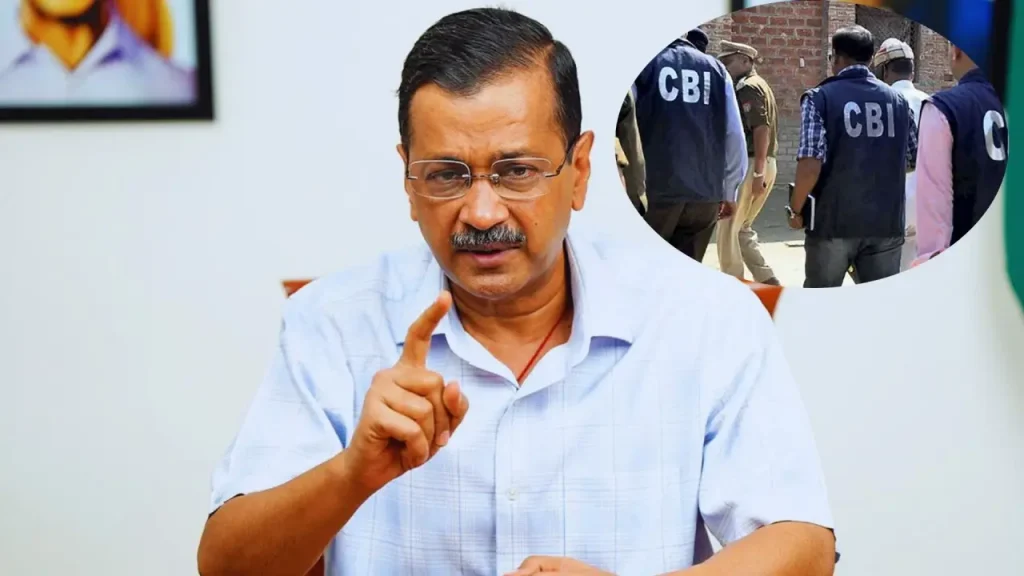
As the CBI case related Delhi liquor policy progressed, several senior AAP leaders were questioned and, at different stages, detained. The involvement of the Enforcement Directorate (ED) further intensified the situation, with money laundering allegations adding to the controversy.
At one point, Kejriwal highlighted that five top AAP leaders were behind bars in connection with the CBI case related Delhi liquor policy. This period marked one of the most challenging phases for the party since its formation. Supporters rallied across the country, portraying the arrests as a direct assault on opposition politics.
The CBI case related Delhi liquor policy thus evolved beyond a legal issue—it became symbolic of the friction between the central government and regional opposition parties.
Kejriwal Press Conference A Tone of Defiance
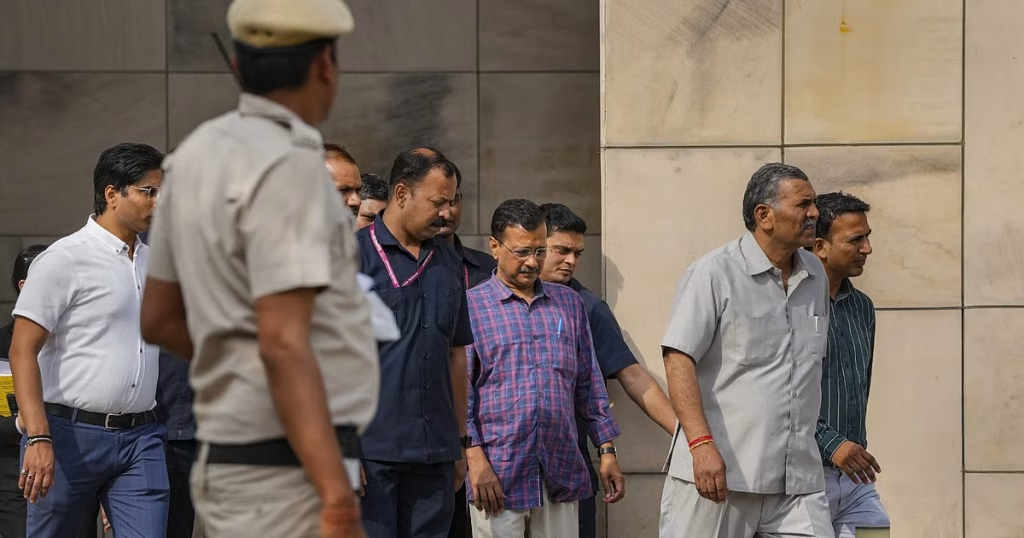
At the press conference following his acquittal in the CBI case related liquor policy, Kejriwal adopted a combative tone. He accused Prime Minister Narendra Modi and Home Minister Amit Shah of orchestrating a political conspiracy.
“They unleashed the ED, CBI, and police on us,” Kejriwal said, referring again to the CBI case related liquor policy. He argued that the repeated summons, arrests, and raids were attempts to cripple the AAP ahead of crucial elections.
The remark that “you can only control Kejriwal by getting him murdered” added dramatic intensity to the event, underlining his belief that the CBI case related Delhi liquor policy was part of a broader political campaign.
Political Implications for AAP
The acquittal in the CBI case related Delhi liquor policy could provide significant political momentum to AAP. For months, opposition parties had cited the case as evidence of institutional overreach. Now, the outcome may strengthen AAP’s narrative of resilience.
Party leaders framed the verdict as proof that the CBI case related Delhi liquor policy lacked substantial evidence. They argue that public sympathy may translate into electoral gains.
The AAP leadership contends that the CBI case related Delhi liquor policy damaged governance by diverting attention from policy-making to legal defense.
Impact on National Politics
The CBI case related liquor policy has broader implications beyond Delhi. It feeds into an ongoing national debate about the role of investigative agencies in political matters.
Opposition parties frequently allege selective targeting. The ruling party rejects such claims, insisting that agencies operate independently. However, the prominence of the CBI case related Delhi liquor policy has intensified scrutiny.
If the acquittal stands without further legal complications, it could become a rallying point for opposition unity.
Governance and Public Perception
For the average citizen, the CBI case related Delhi liquor policy created confusion and controversy around an administrative reform. While supporters viewed the policy as innovative, critics saw it as flawed.
Now, with the legal chapter shifting in Kejriwal’s favor, the narrative may move toward governance outcomes rather than allegations. The CBI case related Delhi liquor policy could fade as a legal issue but remain significant politically.
Public perception will ultimately determine whether the controversy strengthens or weakens AAP in the long term.
Federalism and Institutional Trust
The CBI case related Delhi liquor policy has revived discussions about federalism in India. Since law enforcement agencies operate under central jurisdiction, opposition-ruled states often express concern about political interference.
Kejriwal argued during his press conference that the CBI case related Delhi liquor policy exemplified misuse of power. The central government maintains that due process was followed.
The debate touches on institutional trust, accountability, and the balance of power between the Union and state governments.
The Road Ahead
Even though Kejriwal has been acquitted in the CBI case related Delhi liquor policy, political and legal challenges may continue. Appeals, new investigations, or related proceedings cannot be ruled out.
For now, the acquittal provides breathing room. The CBI case related Delhi liquor policy has shaped AAP’s political messaging, turning adversity into a narrative of resistance.
Kejriwal emphasized that the struggle strengthened his resolve. Whether this translates into electoral advantage remains to be seen.
Conclusion
The acquittal of Arvind Kejriwal in the CBI case related Delhi liquor policy marks a pivotal moment in contemporary Indian politics. It is not merely the closure of a legal proceeding but a chapter in the evolving story of opposition politics, federal dynamics, and institutional accountability.
The CBI case related Delhi liquor policy will likely be studied as a case that blurred the lines between governance reform and political confrontation. For Kejriwal and AAP, it represents vindication and renewed political energy.
As India approaches future electoral contests, the reverberations of the CBI case related Delhi liquor policy will continue to influence discourse. Whether it becomes a symbol of justice served or a cautionary tale about political polarization depends on how leaders and institutions move forward.
Read More latest news

