

Mark Carney’s Visit to India: A Strategic Reset in Bilateral Relations
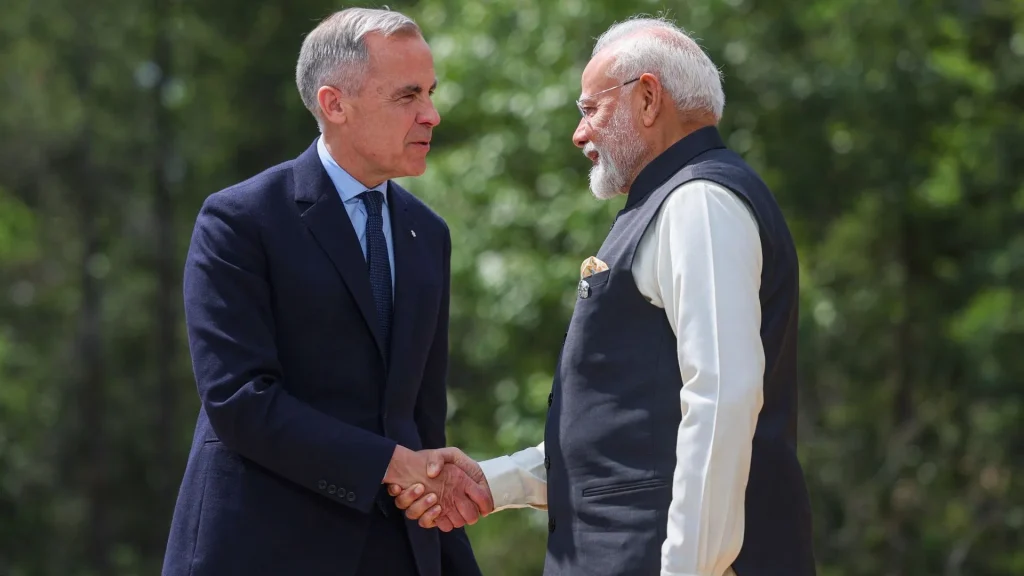
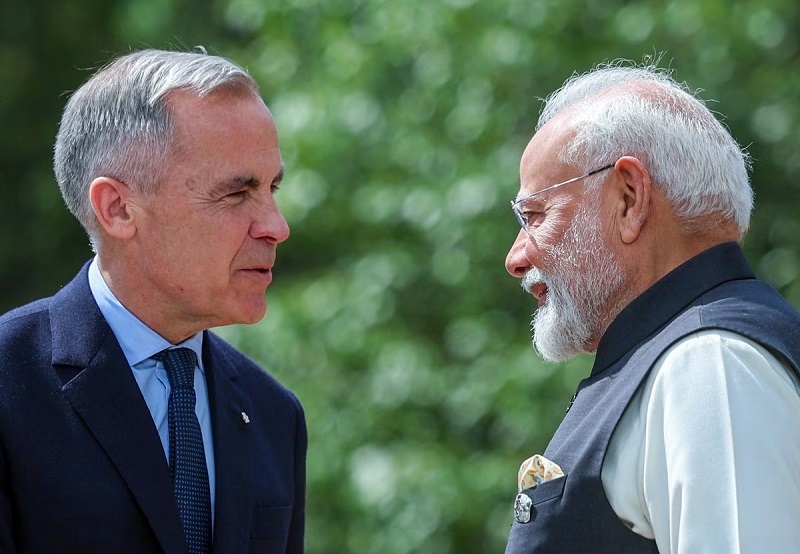
The Mark Carney visit to India is being seen as a strategic reset in relations between the two countries. At a time when global geopolitics is shifting rapidly, the visit signals a renewed commitment to rebuild trust, expand trade ties, and deepen security cooperation between India and Canada. The diplomatic messaging, economic announcements, and symbolic decisions during the Mark Carney visit India have drawn global attention.
For years, India-Canada relations have experienced ups and downs due to political sensitivities, diaspora-related tensions, and trade negotiations that stalled at various stages. However, the Mark Carney visit India appears to mark a turning point. With a focus on economic growth, energy security, and strategic cooperation in the Indo-Pacific region, this trip carries substantial weight in shaping the future trajectory of bilateral ties.
A Strategic Reset in India Canada Relations
The Mark Carney visit to India is widely interpreted as a strategic recalibration. Both countries are important democracies with shared values and strong people-to-people connections. Yet political disagreements and security concerns in recent years created diplomatic strain.
Now, the Mark Carney visit to India demonstrates a willingness to move forward pragmatically. Rather than focusing on contentious narratives, the visit emphasizes economic opportunity and mutual benefit. By aligning interests in trade, energy, and security, the leadership aims to restore confidence in the partnership.
India, as one of the world’s fastest-growing major economies, represents a vital market for Canada. Meanwhile, Canada is a crucial source of critical minerals, uranium, and advanced technology for India’s development ambitions. The Mark Carney visit India reflects recognition of these complementary strengths.
The Decision Not to Visit Punjab
One of the most closely watched aspects of the Mark Carney visit to India was the decision not to include Punjab in the itinerary. Observers view this as a carefully calculated diplomatic move. In the past, visits by Canadian leaders to Punjab have often attracted political symbolism and, at times, controversy linked to diaspora politics.
By choosing not to visit Punjab, the Mark Carney visit to India signaled a shift toward a more nationally focused engagement rather than emphasizing regional sensitivities. This decision appears designed to avoid distractions and maintain a clear focus on strategic dialogue with New Delhi.
The omission was interpreted in India as a sign of diplomatic maturity. It demonstrated that the Mark Carney visit to India prioritized long-term bilateral interests over domestic political considerations. For Canada, it was also a way to ensure that the visit remained centered on economic and security cooperation.
The $70 Billion Trade Target
A major highlight of the Mark Carney visit India was the ambitious $70 billion trade target set by both sides. This goal underscores the economic dimension of the renewed partnership. Currently, bilateral trade between India and Canada has significant potential for growth, especially in sectors such as clean energy, agriculture, technology, and infrastructure.
The Mark Carney visit to India included high-level business meetings and industry roundtables aimed at accelerating negotiations on trade agreements. The Comprehensive Economic Partnership Agreement (CEPA), which had seen delays, is now expected to regain momentum.
Reaching the $70 billion trade target would require expanding market access, reducing tariffs, and facilitating smoother regulatory cooperation. The Mark Carney visit to India provided a platform to address these concerns directly. Canadian companies are keen to invest in India’s digital economy and renewable energy projects, while Indian firms are exploring opportunities in Canada’s mining and agri-tech sectors.
The announcement of the $70 billion trade target during the Mark Carney visit to India sends a strong message to global markets: India and Canada are serious about strengthening economic integration.
The Uranium Deal Energy Security at the Core
Energy cooperation emerged as another pillar of the Mark Carney visit to India. Canada is one of the world’s leading producers of uranium, and India is steadily expanding its nuclear power capacity to meet rising energy demands while reducing carbon emissions.
The uranium deal highlighted during the Mark Carney visit India reflects a strategic alignment in clean energy priorities. India’s nuclear energy program depends on reliable fuel supply, and Canada’s uranium exports offer a stable and trusted source.
This agreement is not just about commerce; it is about energy security. The Mark Carney visit to India reinforced Canada’s role as a dependable energy partner. It also fits into India’s broader goal of achieving net-zero emissions by mid-century.
Beyond uranium, discussions during the Mark Carney visit to India also touched upon cooperation in renewable technologies, hydrogen energy, and battery storage systems. Such collaboration could significantly transform bilateral economic engagement.
Strengthening Security Cooperation
Security cooperation formed a strong pillar of the Mark Carney visit to India. With evolving global threats, including cybercrime, terrorism, and regional instability in the Indo-Pacific, both nations recognize the need for closer coordination.
The Mark Carney visit to India emphasized intelligence sharing, counter-terrorism collaboration, and maritime security. India’s strategic location in the Indo-Pacific makes it a key partner for Canada’s regional strategy.
During the Mark Carney visit to India, discussions reportedly included cybersecurity frameworks and defense technology partnerships. These initiatives indicate a shift toward a more strategic alignment rather than purely economic ties.
By prioritizing security cooperation, the Mark Carney visit to India sends a clear signal that bilateral relations are entering a new phase characterized by mutual trust and shared strategic objectives.
Indo-Pacific Strategy and Geopolitical Context
The Indo-Pacific region has become central to global geopolitics. The Mark Carney visit to India aligns with Canada’s Indo-Pacific strategy, which seeks to enhance engagement with regional powers.
India plays a critical role in maintaining stability and freedom of navigation in the region. The Mark Carney visit to India thus carries implications beyond bilateral ties; it reflects Canada’s broader geopolitical positioning.
With rising tensions in various parts of the world, democratic partnerships like India and Canada are becoming increasingly important. The Mark Carney visit to India reinforces this democratic alliance and strengthens multilateral cooperation.
Diaspora Dynamics and Diplomatic Sensitivity
The Indian diaspora in Canada is one of the largest and most influential communities. While diaspora connections have historically strengthened ties, they have also occasionally complicated diplomatic relations.
The Mark Carney visit to India managed these sensitivities carefully. By focusing on economic and security themes, the visit avoided contentious debates and underscored shared interests.
This approach during the Mark Carney visit to India demonstrates an effort to stabilize the relationship and create a more predictable diplomatic framework.
Business and Investment Opportunities
Canadian pension funds and institutional investors have already made significant investments in India’s infrastructure and real estate sectors. The Mark Carney visit to India aimed to further expand these financial flows.
India’s push for manufacturing growth, digital innovation, and green infrastructure presents enormous opportunities. The Mark Carney visit to India encouraged Canadian businesses to view India as a long-term strategic market.
Similarly, Indian companies are exploring opportunities in Canada’s resource-rich provinces. The Mark Carney visit to India helped create a conducive atmosphere for such cross-border ventures.
Political Symbolism and Diplomatic Messaging
Every diplomatic visit carries symbolism. The Mark Carney visit to India was no exception. From high-level meetings in New Delhi to joint statements emphasizing cooperation, the optics were carefully crafted.
The absence of controversial stops, the focus on national-level dialogue, and the clear articulation of trade and security goals collectively shape the narrative of the Mark Carney visit to India as a reset.
Political observers note that the Mark Carney visit to India reflects a pragmatic shift in bilateral diplomacy, prioritizing tangible outcomes over rhetoric.
Future Outlook
Looking ahead, the success of the Mark Carney visit to India will depend on sustained follow-through. Trade agreements must be finalized, security cooperation frameworks implemented, and energy deals operationalized.
If the commitments made during the Mark Carney visit to India translate into concrete action, the bilateral partnership could enter a new era of stability and growth.
The visit has set the stage for enhanced engagement in areas such as artificial intelligence, clean energy, education exchanges, and climate change initiatives.
Conclusion
The Mark Carney visit to India marks a potentially transformative chapter in India-Canada relations. By focusing on economic ambition, energy security, and strategic cooperation, the visit signals a departure from past tensions and a move toward constructive engagement.
The decision not to visit Punjab demonstrated diplomatic sensitivity. The $70 billion trade target highlighted economic aspirations. The uranium deal strengthened energy ties. The emphasis on security cooperation underlined shared geopolitical concerns.
Ultimately, the Mark Carney visit to India represents more than a routine diplomatic engagement. It is a carefully calibrated effort to rebuild trust, expand opportunity, and align strategic interests in a rapidly changing world. If both nations maintain momentum, this visit could indeed be remembered as the moment when India and Canada reset their relationship for the better.
Read More latest news

