
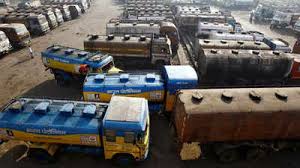
Amid Tensions in the Middle East, India is Buying a Lot of Oil from Russia
Introduction
The geopolitical fault lines in the Middle East are once again shaking global oil dynamics. As conflicts flare up between regional powers like Israel and Iran, and instability lingers across Syria, Yemen, and Lebanon, countries heavily dependent on oil imports are reevaluating their strategies. One nation that stands out amid these shifting tides is India, which is increasingly turning to Russia to fulfill its energy demands.
This dramatic pivot has economic, strategic, and political implications—not just for India, but for the global oil market. Let’s delve into how Middle Eastern tensions are shaping India’s oil trade and why Russia has become New Delhi’s preferred energy partner in recent times.
Section 1: The Geopolitical Tensions in the Middle East
The Middle East has long been the epicenter of global energy supply and geopolitical conflicts. In 2024–2025, renewed hostilities, especially between Iran and Israel, have reignited concerns about energy security. The threats of naval blockades, attacks on oil tankers in the Strait of Hormuz, and drone strikes on refineries have all contributed to instability in the global oil supply chain.
Countries dependent on Gulf oil are now scrambling to diversify their sources. The fear of disruptions has driven up global crude oil prices and forced importing nations to look beyond traditional suppliers in the Gulf.
Section 2: India’s Oil Import Dependency
India is the third-largest oil consumer in the world, with more than 85% of its oil requirements met through imports. Historically, countries like Iraq, Saudi Arabia, and the UAE have been India’s primary suppliers. However, the increasing volatility in the Middle East has made New Delhi rethink its dependency on the Gulf region.
India’s economy is closely tied to fuel prices. High oil prices directly affect inflation, transportation costs, and industrial productivity. Hence, securing affordable and uninterrupted oil supplies is not just an economic goal for India—it’s a strategic necessity.
Section 3: The Rise of Russia as an Oil Supplier to India
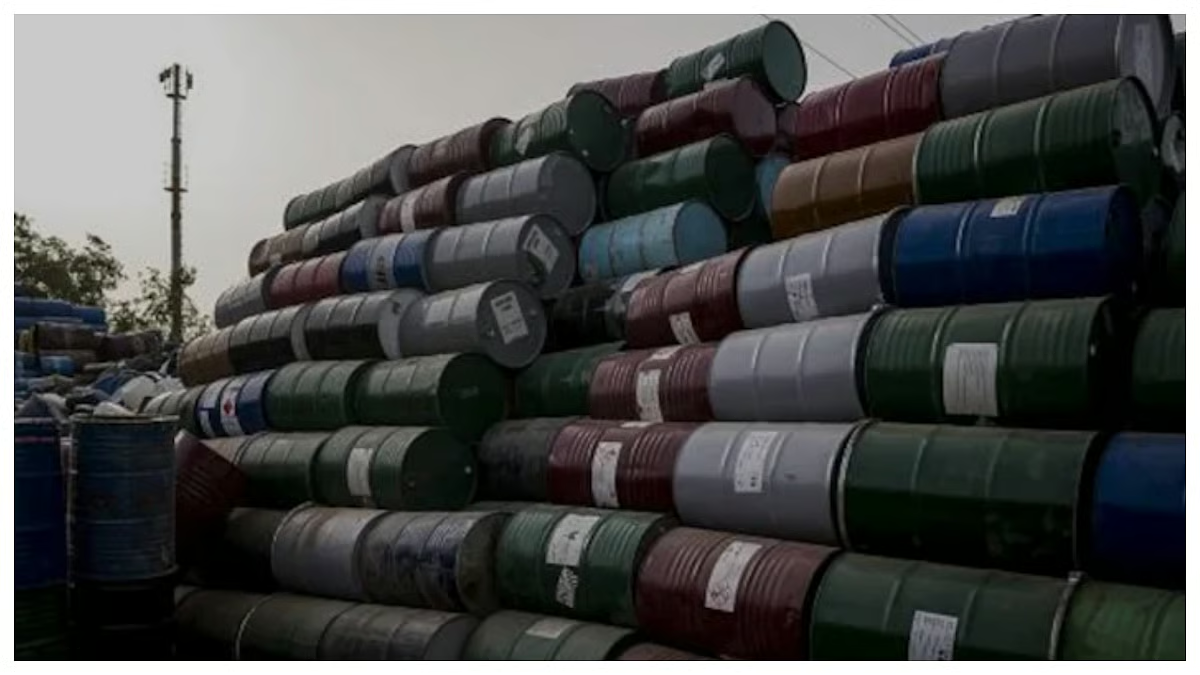
Following the Russia-Ukraine war, Moscow faced severe sanctions from the West. As European markets closed off, Russia turned eastward, offering steep discounts on crude oil to maintain its revenue stream. India seized this opportunity.
From mid-2022 onward, India ramped up oil purchases from Russia, which by early 2024 had become India’s largest crude oil supplier, surpassing Iraq and Saudi Arabia.
India has been importing large quantities of Urals crude, a type of Russian oil, at discounted rates. Despite Western pressures and G7-imposed price caps, India has defended its imports on the grounds of national interest and economic pragmatism.
Section 4: Why India Prefers Russian Oil
Several factors make Russian oil particularly attractive to India:
- Discounted Prices: Russia has offered oil at $15–$20 less per barrel compared to Brent crude.
- Flexibility in Payment Mechanisms: India and Russia have explored payments in local currencies, including the rupee-ruble system, bypassing dollar-based restrictions.
- Long-term Contracts: Russian suppliers are offering stable and long-term deals, giving India the ability to plan better.
- Strategic Independence: Relying less on volatile Gulf suppliers helps India secure a more stable supply chain.
Section 5: India’s Strategic Balancing Act
While increasing imports from Russia, India has carefully walked the tightrope of international diplomacy. On the one hand, it maintains strong relations with the United States and the European Union. On the other hand, it continues to deepen economic ties with Russia.
India has often reiterated that its oil trade decisions are based on national energy security, not geopolitics. As External Affairs Minister S. Jaishankar famously said, “Europe buying Russian gas is not funding war, but if India buys Russian oil, it suddenly becomes immoral?”
This approach reflects India’s ambition to follow an independent foreign policy, particularly in matters of trade and energy.
Section 6: Impact on the Global Oil Market
India’s pivot to Russia is having ripple effects across global oil markets:
- Middle Eastern oil producers are offering better terms to retain their share in the Indian market.
- Europe’s search for alternatives to Russian oil is creating new competition among importers.
- China and India together are now the primary markets for Russian oil, giving Moscow economic lifelines despite sanctions.
- Global crude benchmarks are becoming less relevant in pricing mechanisms due to increasing bilateral and local-currency deals.
This shift could mark the beginning of a new oil order, where energy trade becomes more regional and politicized.
Section 7: The Domestic Dimension – Indian Refineries & Consumption
Indian refiners like IOC (Indian Oil Corporation), BPCL, and Reliance Industries have recalibrated their processing infrastructure to handle a greater share of Urals crude. This adaptability has helped India process Russian oil without significant operational hurdles.
Meanwhile, India’s domestic consumption is only growing. With a booming middle class, rising vehicle ownership, and expanding industrial activity, India’s daily oil demand is expected to surpass 5 million barrels per day in 2025, making the search for cheap and reliable sources even more crucial.
Section 8: Environmental & Ethical Concerns
India’s growing reliance on Russian oil has drawn criticism from environmental groups and Western allies alike. Some argue that such trade undermines international sanctions and delays the global transition to clean energy.
However, India has countered that as a developing country, it cannot afford to bear the cost of high oil prices while also investing in renewable infrastructure. Therefore, oil affordability remains a top priority, at least for the next decade.
Section 9: Future Outlook – Will the Trend Continue?
With Middle East tensions unlikely to ease anytime soon, and with Russian oil staying competitively priced, India’s current import strategy seems sustainable in the short to medium term. However, challenges remain:
- The risk of secondary sanctions from the West.
- Logistical constraints in transporting Russian oil.
- Currency conversion and banking system complications.
Despite these, India is already working on new pipelines, port infrastructure, and insurance mechanisms to de-risk its oil imports from both Russia and the Gulf.
Moreover, India is also investing in strategic petroleum reserves and pushing forward with green energy policies, indicating a multi-pronged approach to its future energy security.
Conclusion
In the complex chessboard of global energy politics, India has made a pragmatic move—choosing discounted Russian oil over geopolitically unstable Gulf supplies. This shift, born out of necessity, is rapidly reshaping India’s trade patterns and energy strategy.
As the world watches the Middle East with apprehension, India is securing its economic future, one barrel at a time—from Russia. While this path is not without diplomatic and logistical risks, it showcases India’s growing confidence as a sovereign decision-maker in global affairs.
Whether this is a short-term adjustment or a long-term transformation remains to be seen. But one thing is clear: the oil world is changing, and India is at the center of that transformation.
read more latest news

