
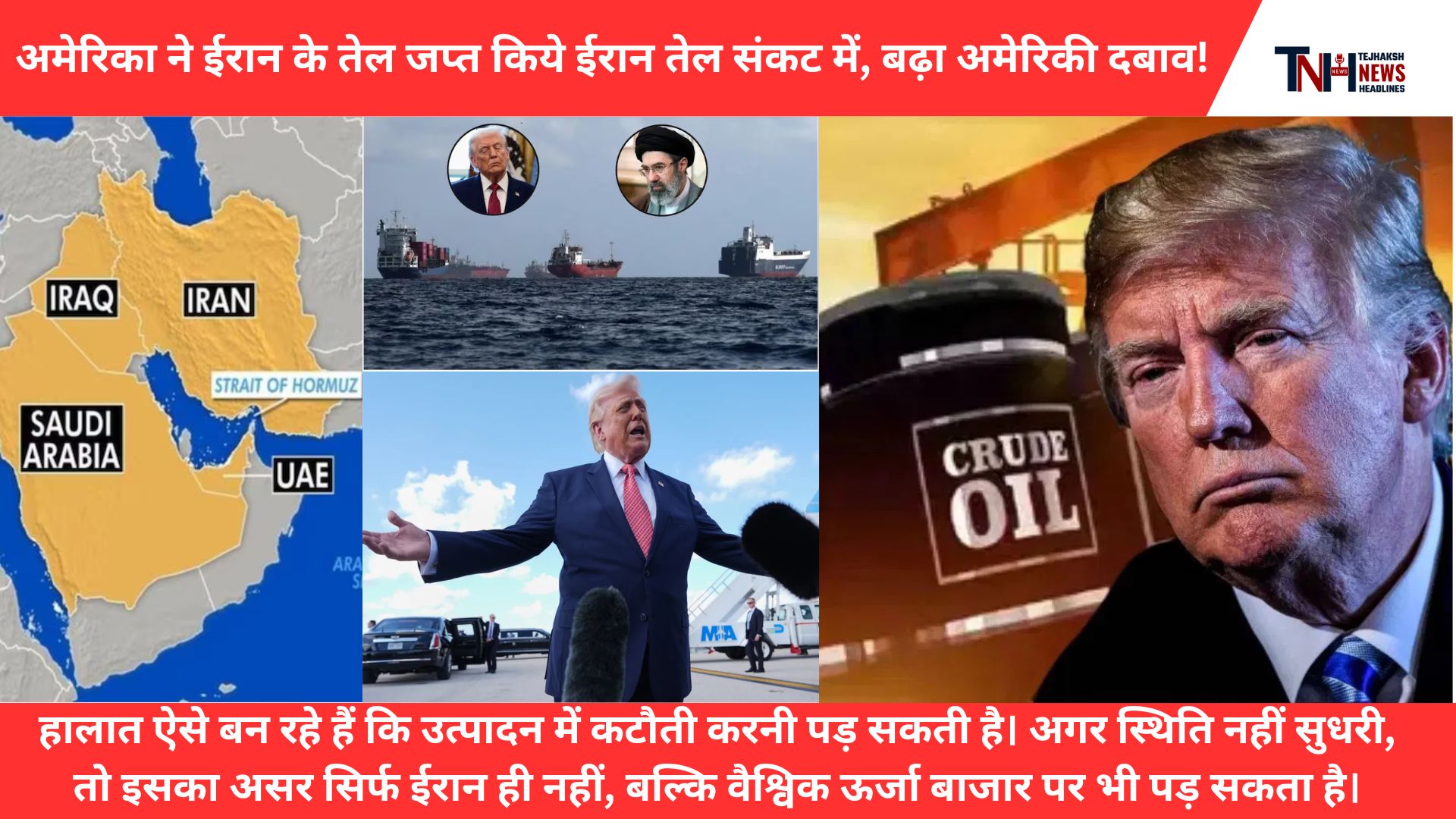
Mounting Pressure on Iran’s Oil Sector: A Crisis with Global Implications
The phrase US seizes Iran’s oil has become symbolic of a broader strategy aimed at restricting Tehran’s ability to export crude and sustain its economy. As sanctions tighten and geopolitical tensions escalate, Iran now faces a serious oil crisis that could ripple across the global energy market.
The oil industry has long been the backbone of Iran’s economy, serving as a crucial source of revenue and geopolitical influence. However, in recent years, mounting international pressure—particularly from the United States—has pushed Iran’s oil sector into an increasingly precarious situation.
The Growing Crisis in Iran Oil Sector
Iran possesses one of the largest proven oil reserves in the world. For decades, it has relied heavily on oil exports to fund government spending, infrastructure development, and social programs. However, the resurgence of sanctions and aggressive enforcement measures have significantly curtailed its ability to sell oil on the international market. The narrative of US seizes Iran’s oil has emerged repeatedly as Washington takes steps to intercept shipments, penalize buyers, and disrupt trade routes.
The reduction in exports has led to a severe imbalance between production and demand. Oil that cannot be sold must be stored, but Iran’s storage capacity is not unlimited. As storage facilities reach their limits, the country is forced to consider reducing production—an outcome that could have long-term consequences for its energy infrastructure.
Impact of Sanctions and Blockades
Sanctions imposed by the United States are designed to isolate Iran economically. These measures target not only Iranian companies but also foreign entities that engage in business with Tehran. The recurring scenario where US seizes Iran’s oil reflects the intensity of enforcement actions, including the interception of tankers and legal actions against shipping firms.
These sanctions have had several immediate effects:
- Decline in Export Volumes: Iran’s oil exports have dropped dramatically compared to pre-sanctions levels.
- Revenue Loss: Reduced exports translate directly into lower national income.
- Currency Depreciation: The Iranian rial has weakened due to declining foreign exchange reserves.
- Inflation: Economic pressure has led to rising prices and reduced purchasing power among citizens.
Each instance where US seizes Iran’s oil reinforces the risks for international buyers, discouraging them from engaging with Iranian suppliers.
Storage Challenges and Logistical Constraints
As exports decline, Iran faces a growing storage problem. Oil must be stored either on land or in floating storage units such as tankers. However, both options come with limitations and costs. The repeated narrative of US seizes Iran’s oil has also made it difficult for Iran to rely on international shipping networks, further complicating logistics.
When storage capacity is exceeded, oil production must be reduced. Shutting down wells is not a simple process; it can damage reservoirs and reduce future output potential. Therefore, the possibility of production cuts is not just a short-term adjustment but a decision with long-lasting implications.
Geopolitical Tensions and Their Role
The tension between Iran and the United States is deeply rooted in political, ideological, and strategic differences. The phrase US seizes Iran’s oil is not just about economic enforcement; it is also a manifestation of broader geopolitical rivalry. The Middle East remains a critical region for global energy supply, and any disruption can have far-reaching consequences.
Iran has responded to pressure by seeking alternative markets and strengthening ties with countries willing to bypass sanctions. However, these efforts are often constrained by the risk that US seizes Iran’s oil, deterring potential partners.
Effects on the Global Energy Market
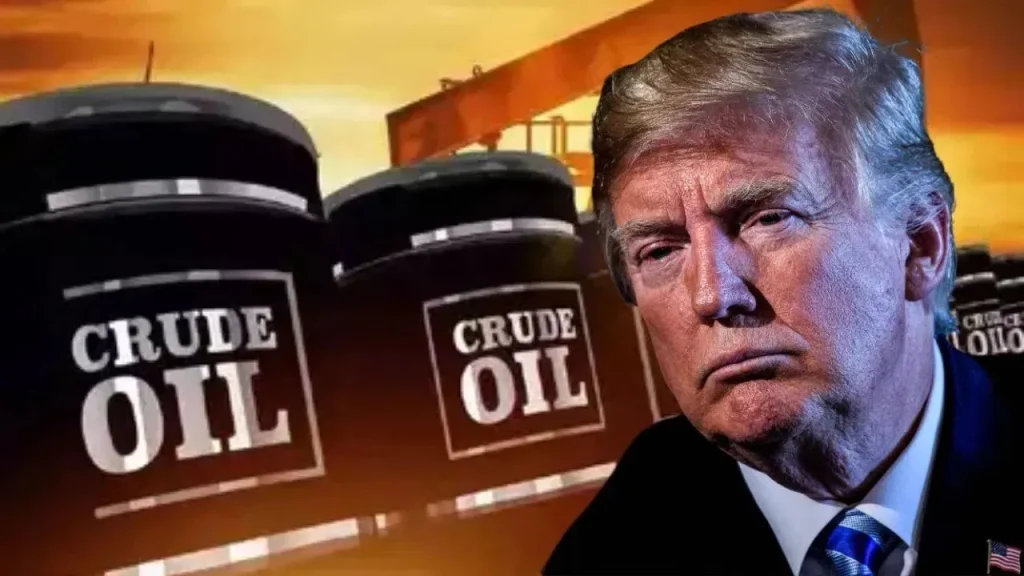
The crisis in Iran’s oil sector is not an isolated issue. It has significant implications for the global energy market. When a major oil producer faces constraints, it affects supply dynamics, pricing, and market stability.
- Supply Reduction: If Iran cuts production, global oil supply could tighten.
- Price Volatility: Reduced supply often leads to higher prices, impacting consumers worldwide.
- Market Uncertainty: Geopolitical risks create uncertainty, influencing investment decisions.
The recurring incidents where US seizes Iran’s oil contribute to this uncertainty, as traders and investors factor in potential disruptions.
Alternative Strategies by Iran
In response to mounting pressure, Iran has explored several strategies to sustain its oil sector:
- Shadow Fleet Operations: Using unregistered or reflagged tankers to transport oil.
- Barter Trade: Exchanging oil for goods and services instead of cash transactions.
- Regional Partnerships: Strengthening ties with neighboring countries.
Despite these efforts, the risk that US seizes Iran’s oil continues to loom large, limiting the effectiveness of these strategies.
Economic Consequences for Iran
The oil crisis has broader economic implications for Iran. Reduced revenue affects government spending, leading to cuts in public services and infrastructure projects. The phrase US seizes Iran’s oil has become synonymous with economic hardship for many Iranians.
Key economic impacts include:
- Budget Deficits: Lower oil income strains government finances.
- Unemployment: Reduced economic activity leads to job losses.
- Social Unrest: Economic challenges can lead to public dissatisfaction.
Each instance where US seizes Iran’s oil exacerbates these challenges, making recovery more difficult.
Environmental and Technical Challenges
Reducing oil production is not just an economic decision; it also involves technical and environmental considerations. Shutting down wells can lead to pressure loss and reservoir damage. Restarting production later may require significant investment.
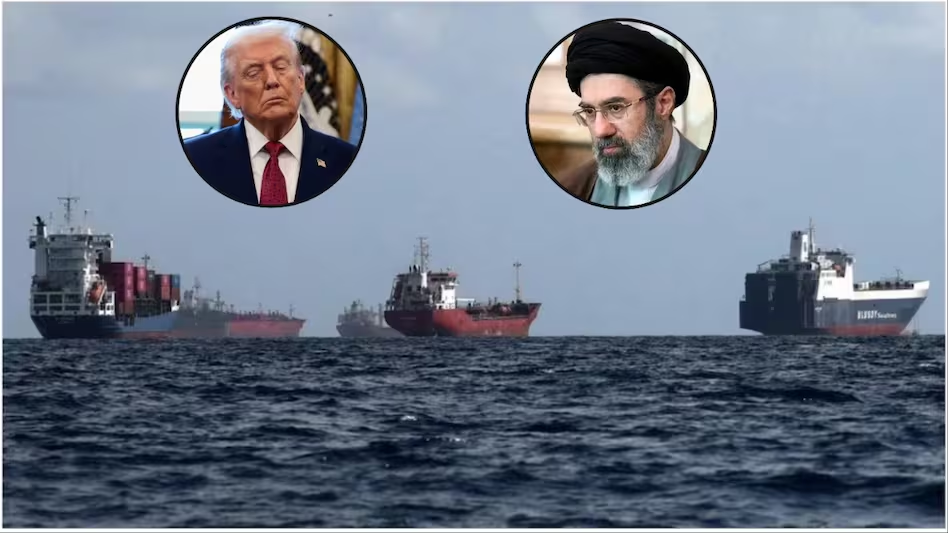

Moreover, storing excess oil for extended periods can pose environmental risks. The repeated disruptions caused when US seizes Iran’s oil increase the likelihood of such challenges.
The Role of International Players
Other global powers, including China and Russia, play a crucial role in shaping the outcome of this crisis. These countries have, at times, continued to engage with Iran despite sanctions, providing a lifeline for its oil sector.
However, even these partnerships are influenced by the risk that US seizes Iran’s oil, as companies and governments weigh the potential consequences of defying sanctions.
مستقبل (Future) of Iran’s Oil Industry
Looking ahead, the future of Iran’s oil sector remains uncertain. Several scenarios could unfold:
- Diplomatic Resolution: A potential easing of sanctions could revive exports.
- Prolonged Standoff: Continued tensions may deepen the crisis.
- Structural Shift: Iran may diversify its economy to reduce reliance on oil.
In each scenario, the recurring issue where US seizes Iran’s oil will remain a critical factor influencing outcomes.
Global Energy Transition and Its Impact
The crisis in Iran’s oil sector is occurring at a time when the world is gradually transitioning դեպի renewable energy. While oil remains essential, the shift toward cleaner energy sources could reduce long-term demand.
However, in the short term, disruptions like those caused when US seizes Iran’s oil can still have significant effects on global markets. This dual dynamic—short-term dependence and long-term transition—adds complexity to the situation.
Conclusion
The mounting pressure on Iran’s oil sector represents a convergence of economic sanctions, geopolitical tensions, and market dynamics. The repeated incidents symbolized by the phrase US seizes Iran’s oil highlight the challenges faced by Tehran in sustaining its energy industry.
As storage problems worsen and the possibility of production cuts looms, the crisis is reaching a critical point. The implications extend beyond Iran, affecting global oil supply, pricing, and economic stability.
Ultimately, resolving this crisis will require a combination of diplomatic efforts, strategic adjustments, and international cooperation. Until then, the narrative of US seizes Iran’s oil will continue to shape the trajectory of Iran’s oil sector and its role in the global energy landscape.
Read more latest news

