
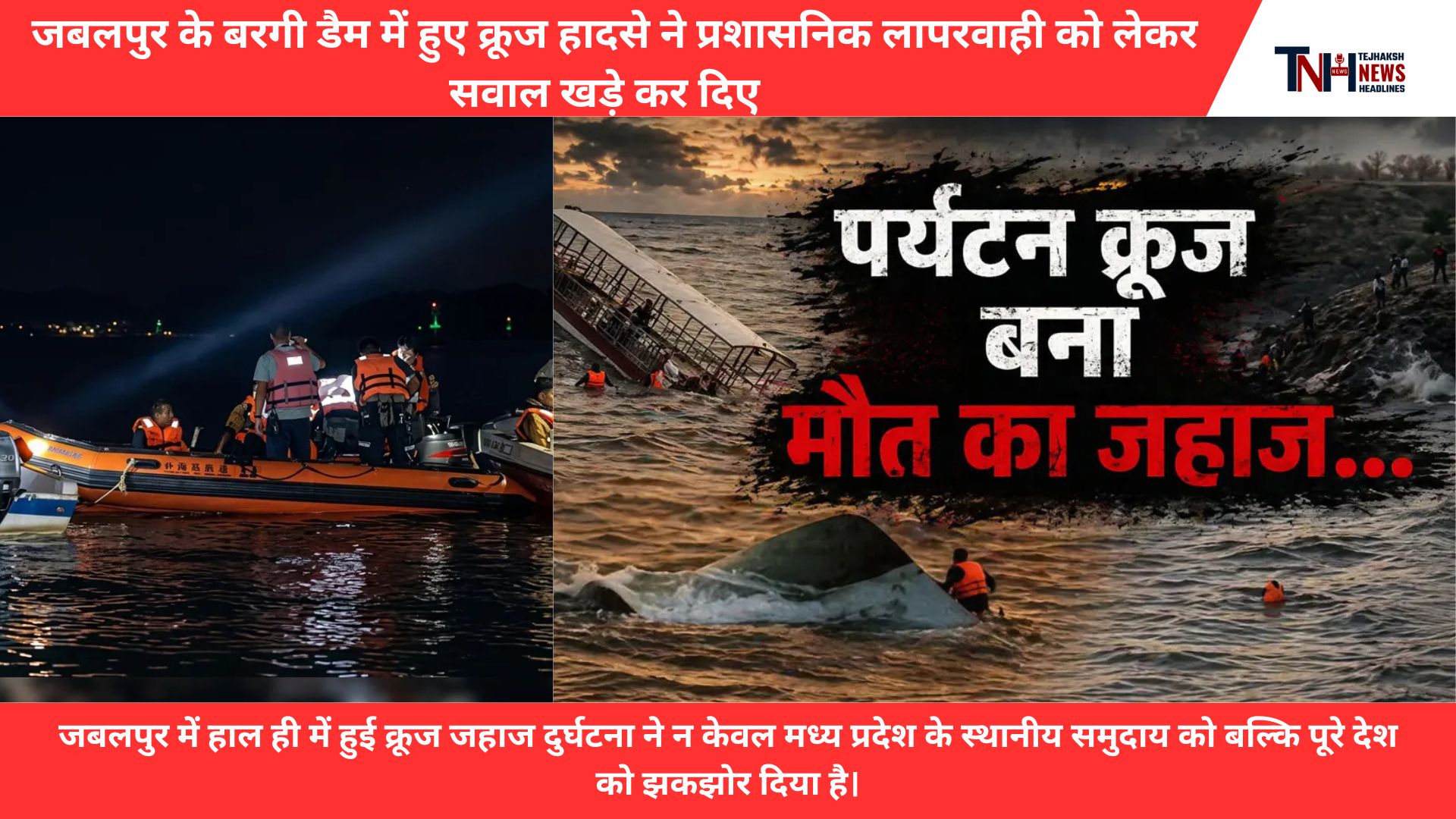
Cruise Ship Accident at Jabalpur: A Tragedy That Raises Hard Questions About Accountability
The recent cruise ship accident at Jabalpur has shaken not only the local community in Madhya Pradesh but also the entire nation. What was supposed to be a leisurely outing at Bargi Dam turned into a nightmare, exposing serious lapses in safety, preparedness, and administrative oversight. As the dust settles and rescue operations continue, the cruise ship accident at Jabalpur is being seen as more than just an unfortunate incident—it is emerging as a case study in systemic negligence.
At the center of the political and administrative response is Rakesh Singh, who has publicly acknowledged the gravity of the situation. His statement, “After the rescue is complete, an investigation will be conducted to determine the reasons why people didn’t survive despite wearing life jackets,” reflects both concern and the need for accountability. However, for many, this assurance comes too late.
The Incident What Happened at Bargi Dam?
The cruise ship accident at Jabalpur occurred at the picturesque Bargi Dam, a popular tourist destination known for boating and cruise activities. On the day of the tragedy, the vessel was carrying dozens of passengers, including families, tourists, and locals seeking recreation. Eyewitness accounts suggest that everything seemed normal until the situation suddenly spiraled out of control.
Reports indicate that the vessel either capsized or suffered a critical mechanical failure, leading to chaos on board. Panic spread quickly, and despite the presence of life jackets, several passengers were unable to save themselves. The cruise ship accident at Jabalpur has left many families devastated, with lives lost and others forever changed.

Rescue Efforts Swift But Questionable
Following the cruise-ship accident at Jabalpur, rescue teams, including local authorities, divers, and emergency responders, rushed to the scene. While many lives were saved due to prompt action, questions remain about whether the response could have been faster or more effective.
Witnesses have claimed that there was a delay in deploying adequate rescue equipment. Some survivors alleged that there were not enough trained personnel to handle such an emergency. The cruise ship accident at Jabalpur has thus exposed potential gaps not just in prevention but also in crisis management.
The Life Jacket Debate
One of the most troubling aspects of the cruise ship accident at Jabalpur is the issue of life jackets. According to official statements, passengers were wearing life jackets. This raises a critical question: why did these safety measures fail?
Experts suggest several possibilities:
- Improper usage of life jackets
- Poor-quality or defective equipment
- Lack of passenger training or awareness
- Panic leading to ineffective use
The cruise ship accident at Jabalpur has highlighted that simply providing safety gear is not enough. Proper training, regular checks, and strict enforcement of safety protocols are equally important.
Administrative Negligence A Growing Concern
The cruise-ship accident at Jabalpur has sparked a broader debate about administrative negligence. Was the vessel operating with proper permissions? Were safety audits conducted regularly? Did authorities ignore warning signs?
Preliminary reports suggest that there may have been lapses in inspection and regulation. If proven true, the cruise ship accident at Jabalpur could become a glaring example of how oversight failures can lead to tragedy.
Local residents have long complained about lax enforcement of safety norms at tourist spots. The incident has now brought these concerns into sharp focus, making the cruise ship accident at Jabalpur a wake-up call for authorities.
Political Reactions and Public Outrage
The cruise ship-accident at Jabalpur has triggered strong reactions from political leaders and the public alike. While the government has promised an investigation, opposition parties have accused the administration of negligence and demanded immediate accountability.
Public anger is palpable. Social media platforms are flooded with demands for justice, with many questioning how such an incident could occur in the first place. The cruise ship accident at Jabalpur has become a symbol of systemic failure in governance.
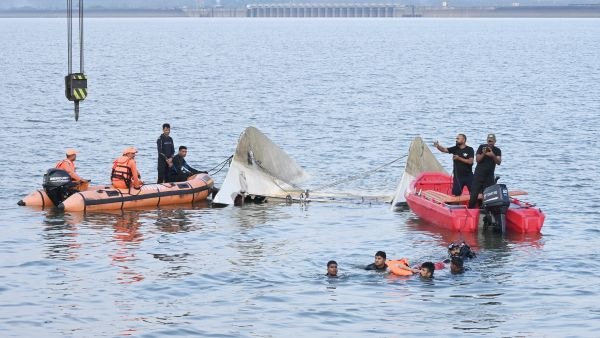
Statement by Rakesh Singh
In response to the cruise ship accident at Jabalpur, Rakesh Singh stated that a thorough investigation would be conducted after the rescue operations are completed. He emphasized the importance of understanding why lives were lost despite the availability of life jackets.
While his statement acknowledges the seriousness of the situation, critics argue that preventive measures should have been in place long before the cruise ship accident at Jabalpur occurred. The promise of an investigation, though necessary, does little to address the immediate grief and anger of affected families.
The Human Cost of the Tragedy
Beyond the political and administrative discussions, the cruise ship accident at Jabalpur is, at its core, a human tragedy. Families have lost loved ones, children have lost parents, and survivors are left grappling with trauma.
Stories emerging from the cruise ship accident at Jabalpur are heartbreaking. Survivors recount moments of desperation, fear, and helplessness. These personal accounts underscore the urgent need for systemic changes to prevent such incidents in the future.
Safety Regulations: Are They Enough?
The cruise ship accident at Jabalpur has raised critical questions about the adequacy of existing safety regulations. While guidelines for boating and cruise operations exist, their implementation often falls short.
Key issues include:
- Lack of regular safety audits
- Inadequate training for staff
- Poor maintenance of vessels
- Absence of emergency preparedness drills
The cruise ship accident at Jabalpur has shown that regulations on paper are meaningless without strict enforcement.
Lessons That Must Be Learned
Every tragedy brings with it lessons, and the cruise ship accident at Jabalpur is no exception. Authorities must take immediate steps to:
- Conduct thorough investigations
- Hold those responsible accountable
- Strengthen safety protocols
- Ensure regular inspections
- Educate passengers on safety measures
If these lessons are ignored, the cruise ship accident at Jabalpur risks becoming just another statistic rather than a turning point.
The Role of Media and Public Awareness
The media has played a crucial role in highlighting the cruise ship accident at Jabalpur. Continuous coverage has kept the issue in the public eye, ensuring that it is not forgotten.
Public awareness is equally important. Citizens must demand accountability and prioritize safety when participating in recreational activities. The cruise ship accident at Jabalpur serves as a reminder that vigilance is a shared responsibility.
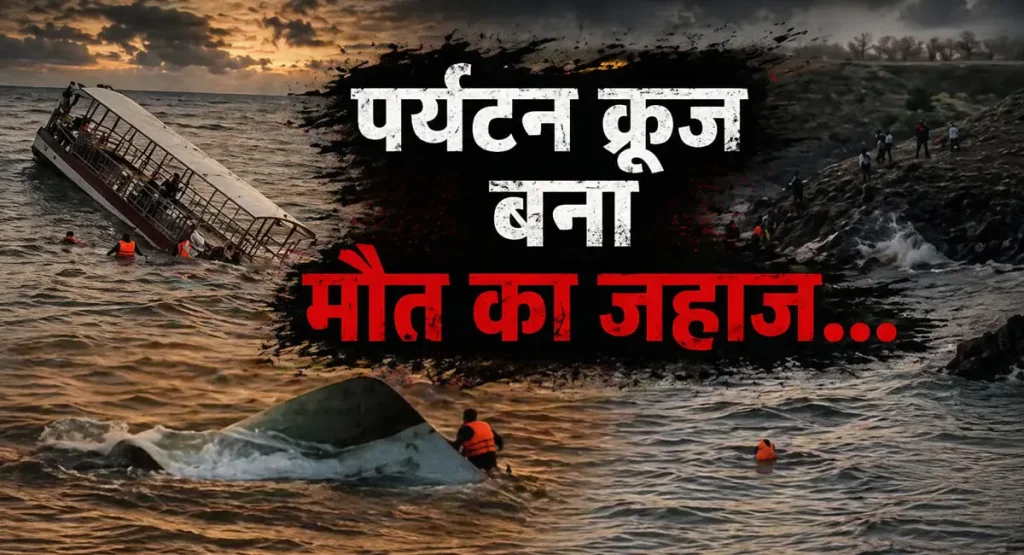
Moving Forward: A Call for Accountability
As investigations begin, the focus must remain on accountability. The cruise ship accident at Jabalpur cannot be brushed aside with routine inquiries and temporary outrage.
Authorities must ensure that:
- The investigation is transparent
- Findings are made public
- Concrete actions are taken
Only then can justice be served for the victims of the cruise ship accident at Jabalpur.
Conclusion
The cruise ship accident at Jabalpur is a tragic reminder of the consequences of negligence and complacency. While statements from leaders like Rakesh Singh offer some assurance, real change will require more than words.
This incident must serve as a catalyst for reform. Safety cannot be compromised, and accountability cannot be delayed. The lives lost in the cruise ship accident at Jabalpur demand nothing less than a complete overhaul of the systems meant to protect them.
As the nation watches closely, the hope is that this tragedy will lead to meaningful action, ensuring that such incidents never happen again.
Read more latest news

