
US and China Prepare for First Bilateral AI Safety Talks
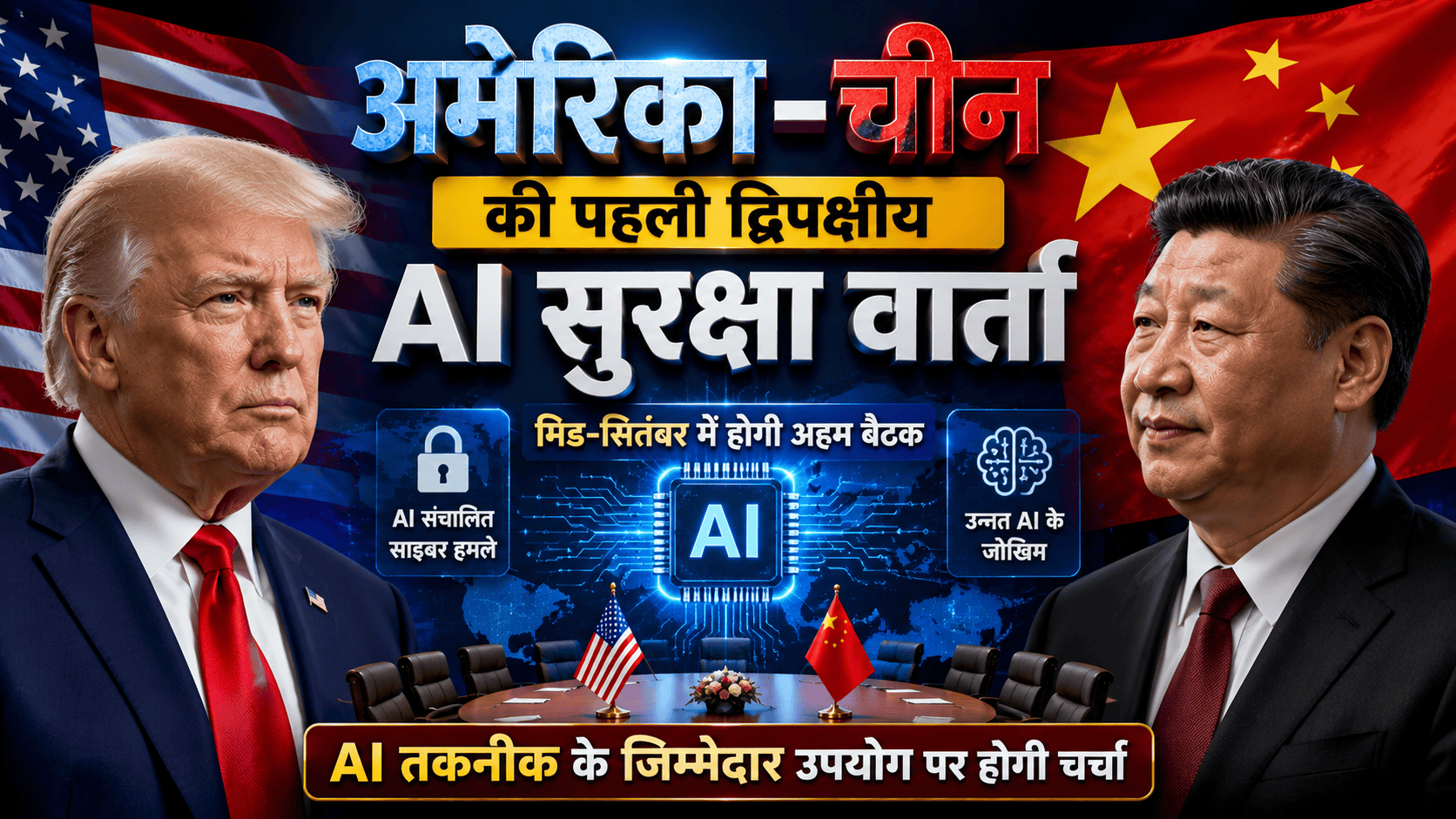
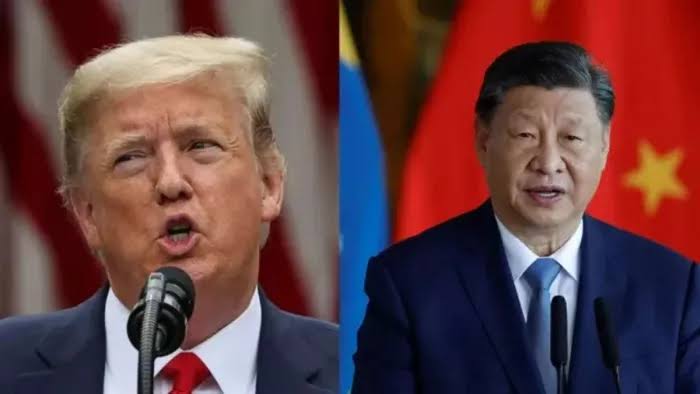
The proposed US China AI Safety Talks, scheduled for mid-September, are expected to address some of the most pressing risks emerging from the rapid development and deployment of advanced artificial intelligence systems. The United States and China are preparing for a potentially important milestone in global technology diplomacy as the two countries plan their first official bilateral discussions focused specifically on artificial intelligence safety.
The US China AI Safety Talks come at a time when artificial intelligence is becoming increasingly important in cybersecurity, national security, business, scientific research, communication, and everyday life. While AI offers enormous opportunities, its rapid advancement has also raised concerns about cyberattacks, autonomous systems, misinformation, privacy, and the possibility of increasingly powerful AI systems being misused.
A Significant Moment for AI Diplomacy
The planned US China AI Safety Talks could represent an important step toward establishing communication between Washington and Beijing on AI-related risks. The United States and China are two of the world’s leading AI powers, with major technology companies, research institutions, universities, and government-backed programs working on advanced AI.
Because of their technological influence, decisions made by the two countries can have consequences far beyond their own borders. The US China AI Safety Talks could therefore provide an opportunity to discuss common concerns even when broader relations between the countries remain complicated.
AI safety is a relatively new area of international diplomacy. Unlike traditional arms-control discussions, AI involves technologies that are being developed rapidly by governments, private companies, universities, and independent researchers. This makes international cooperation particularly challenging.
What Could Be Discussed?
One of the major subjects expected to feature in the US China AI Safety Talks is the possibility of AI-driven cyberattacks. Artificial intelligence can potentially make cyber operations faster, more scalable, and more sophisticated.
Advanced AI systems could help identify vulnerabilities, automate certain cyber tasks, or generate malicious content. At the same time, AI can also be used to strengthen cybersecurity by detecting suspicious activity and responding to threats more quickly.
The US China AI Safety Talks could examine how both countries understand these risks and whether communication mechanisms could be developed to prevent dangerous incidents.
Another important topic is the broader risk associated with advanced AI. As AI models become more capable, governments and researchers are increasingly considering questions about reliability, human oversight, unintended behavior, and misuse.
Responsible Use of Artificial Intelligence
The US China AI Safety Talks may also focus on responsible AI development and the appropriate use of increasingly powerful technology.
Artificial intelligence is already being used in sectors including healthcare, education, finance, transportation, manufacturing, defense, and scientific research. Its benefits can be substantial, but inappropriate or uncontrolled deployment could create significant problems.
Establishing common principles could help reduce some of these risks. However, reaching agreement may not be easy because the United States and China have different political systems, regulatory approaches, economic priorities, and strategic interests.
The US China AI Safety Talks will therefore be closely watched by technology experts and policymakers around the world.
Cybersecurity and National Security
Cybersecurity is likely to be particularly important during the US China AI Safety Talks. AI has already changed the cybersecurity landscape by giving defenders new tools while also potentially providing attackers with new capabilities.
Governments are concerned that increasingly advanced AI could be used to support sophisticated cyber operations. Such activities could affect government networks, businesses, critical infrastructure, financial institutions, and individuals.
A major challenge is determining how countries can communicate about AI-related cyber risks without revealing sensitive security information.
The US China AI Safety Talks could potentially establish channels for discussing incidents, emerging threats, and safety concerns without requiring either side to disclose confidential technological or intelligence information.
Why the Talks Matter Globally
The importance of the US China AI Safety Talks extends beyond the bilateral relationship between Washington and Beijing.
Other countries are also developing AI technologies and introducing new rules for their use. Europe, India, Japan, South Korea, the United Kingdom, and many other nations are actively debating AI governance and safety.
If the United States and China can find areas of common ground, their discussions could contribute to broader international conversations about AI safety.
Conversely, if major AI powers fail to communicate, the risk of misunderstanding could increase. The US China AI Safety Talks could therefore serve as a test of whether geopolitical competitors can cooperate on technological risks that affect the entire world.
Balancing Innovation and Safety
An important challenge for the US China AI Safety Talks will be balancing technological innovation with safety.
Neither country wants to slow down beneficial AI research unnecessarily. Artificial intelligence could contribute to breakthroughs in medicine, climate research, manufacturing, agriculture, education, and scientific discovery.
At the same time, rapid innovation without adequate safeguards could create serious consequences. Policymakers therefore face the difficult task of encouraging technological progress while ensuring that powerful systems are developed and deployed responsibly.
The US China AI Safety Talks may help both sides explore how these competing objectives can be balanced.
Advanced AI and Human Oversight
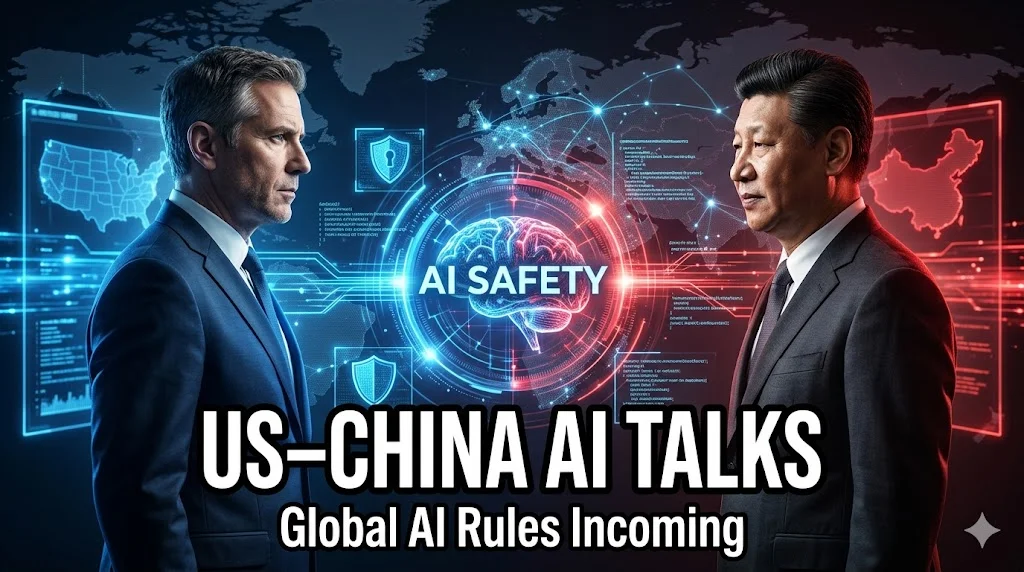
Another potential area of discussion during the US China AI Safety Talks is human oversight of advanced AI systems.
As AI becomes more capable, questions about who controls these systems and how their decisions are monitored are becoming increasingly important. Governments and technology companies are examining methods for testing AI models, identifying dangerous capabilities, and establishing safeguards before deployment.
Human oversight remains particularly important in sensitive areas such as defense, cybersecurity, critical infrastructure, and public services.
The US China AI Safety Talks could encourage further discussion about safety evaluations, risk assessments, and mechanisms for maintaining human control over high-impact AI applications.
Building Communication Channels
Perhaps one of the most valuable outcomes of the US China AI Safety Talks could simply be the creation of a reliable communication channel.
Technology can advance faster than traditional diplomatic processes. If a serious AI-related incident occurs, governments may need to communicate quickly to understand what happened and prevent escalation.
Regular dialogue could help reduce uncertainty and establish procedures for addressing unexpected developments.
The US China AI Safety Talks could therefore become the beginning of a longer-term engagement rather than a one-time diplomatic meeting.
Challenges Ahead
Despite the potential benefits, the US China AI Safety Talks will face several challenges. Strategic competition between the two countries remains significant, particularly in areas involving semiconductors, advanced computing, military technology, and high-end AI systems.
Trust will also be a major issue. Both sides may be cautious about sharing information that could provide technological or strategic advantages to the other.
Nevertheless, AI safety presents a unique category of challenge because certain risks do not respect national borders. Cyber threats, misinformation, autonomous systems, and advanced AI misuse can potentially affect countries around the world.
Conclusion
The planned US China AI Safety Talks mark an important development in international discussions surrounding artificial intelligence. With the United States and China playing major roles in AI research and development, their willingness to discuss safety issues could have significant global implications.
The US China AI Safety Talks are expected to explore issues including AI-driven cyberattacks, advanced AI risks, and responsible use of AI technology. While major disagreements may remain, establishing direct communication could help both countries better understand emerging risks.
Ultimately, the success of the US China AI Safety Talks will depend on whether Washington and Beijing can identify practical areas of cooperation despite their broader strategic competition. The US China AI Safety Talks could become an important foundation for future international AI governance, safety standards, and crisis communication.
As artificial intelligence continues to develop at remarkable speed, the need for responsible innovation and international dialogue is becoming increasingly urgent. The US China AI Safety Talks could be an important early step toward ensuring that the world’s most powerful AI technologies are developed with safety, accountability, and human interests in mind.
Read more latest news

