
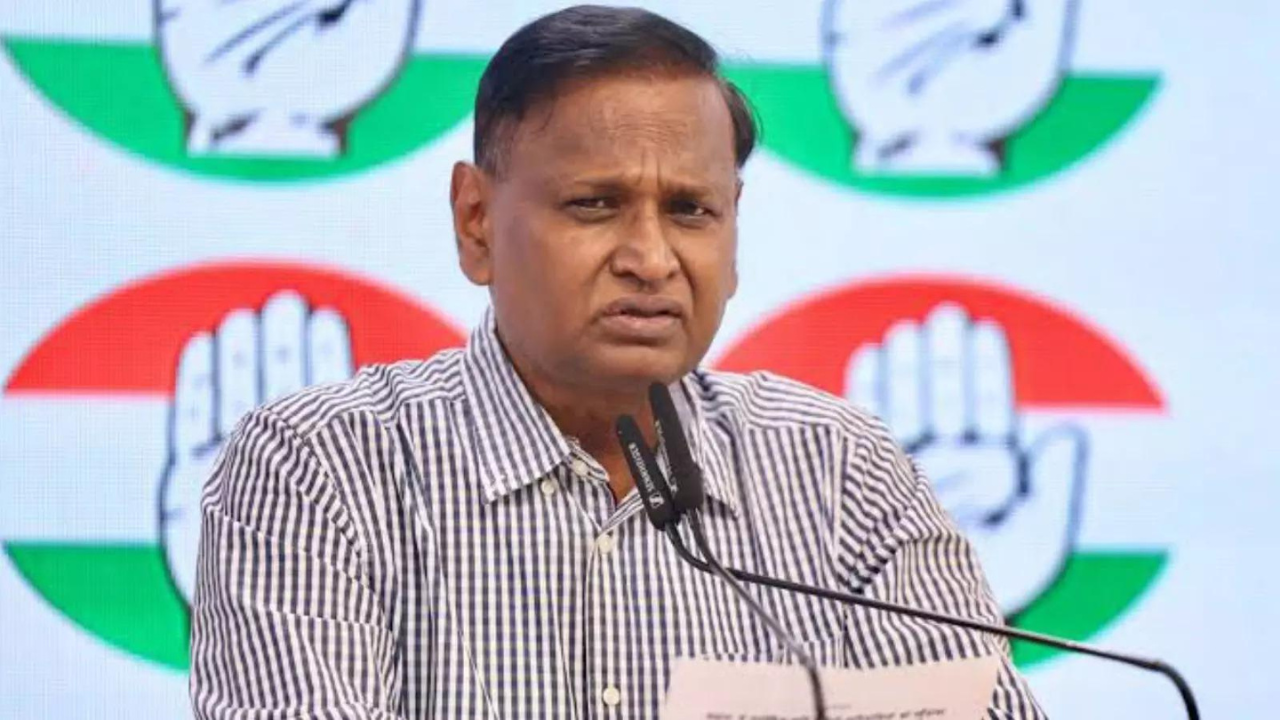
Udit Raj Supported Peter Navarro’s Controversial Statement: A Political Storm with Global Ripples
Introduction
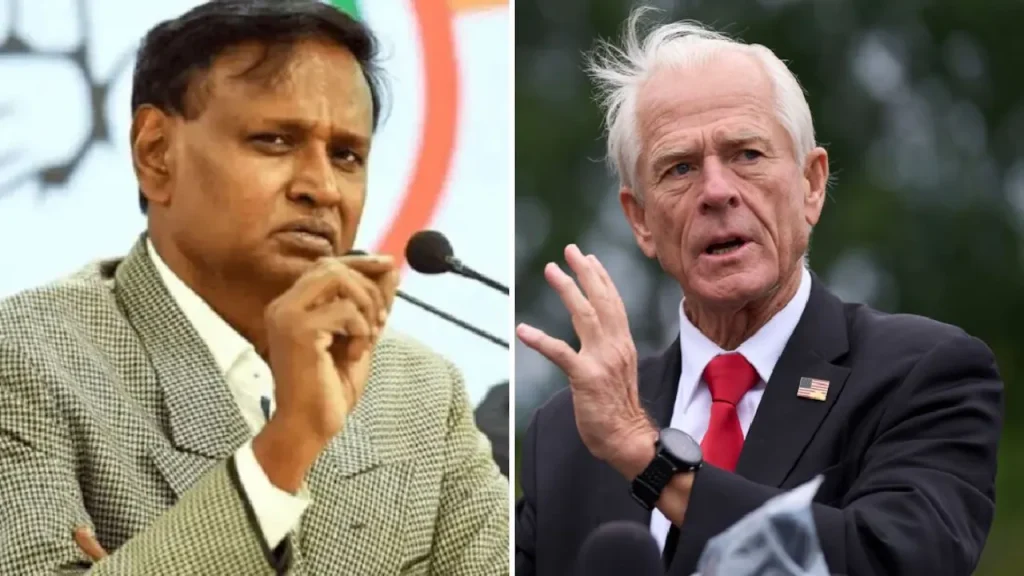
Udit Raj Indian politics has always been intertwined with global developments, especially when it comes to international trade, diplomacy, and economic policy. Recently, a new controversy sparked a heated debate when Congress leader Dr. Udit Raj publicly supported a controversial statement made by Peter Navarro, the former White House trade adviser under Donald Trump.
Navarro, known for his hardline views on trade, China, and protectionism, made remarks that many economists and diplomats described as provocative and confrontational. While his statements have often attracted criticism in the United States and beyond, the fact that an Indian political figure like Udit Raj extended support to him has raised several eyebrows.
This development has created a storm in both political and media circles. Supporters argue that Udit Raj has simply recognized the harsh realities of global economics, while critics accuse him of echoing a divisive and controversial figure whose policies had previously strained international relations.
In this blog, we will explore what Navarro said, why it is controversial, why Udit Raj supported it, the reactions within India, the implications for Indian politics, and the global context.
Who is Peter Navarro?
To understand the controversy, it is important to first look at the man at the center of it all—Peter Navarro.
- Navarro is an American economist and politician who served as the Director of the Office of Trade and Manufacturing Policy during Donald Trump’s presidency.
- He is the author of books like Death by China and The Coming China Wars, which laid out his strong anti-China stance.
- Navarro was the key architect behind Trump’s aggressive tariff policies, which included imposing heavy import duties on steel, aluminum, and several goods from countries including China and India.
- His worldview is based on economic nationalism, where he advocates for protecting domestic industries at the cost of free trade liberalism.
Navarro’s policies were criticized by global economists for sparking trade wars, disrupting supply chains, and creating uncertainty in global markets. But his supporters argue that he brought attention to the vulnerabilities of globalization and unfair trade practices by China.
What Was Navarro’s Controversial Statement?
Navarro recently made remarks (in line with his earlier stance) that reignited debates on trade, globalization, and international relations. He stated that:
- Countries like India and China have benefitted disproportionately from globalization at the cost of American workers.
- The U.S. should continue with protectionist policies, tariffs, and reshoring of industries to safeguard its economy.
- Developing nations often exploit loopholes in global trade rules under the WTO system, leading to unfair advantages.
This statement was seen as a direct attack on countries like India, which rely heavily on exports of IT services, pharmaceuticals, and manufactured goods to the U.S.
Critics in America argued that Navarro’s views fuel hostility, ignore the benefits of international cooperation, and could trigger fresh trade wars.
Why Did Udit Raj Support Navarro?
At first glance, it seems surprising that an Indian politician would support Navarro’s viewpoint—especially since India was one of the countries impacted by Trump’s tariff hikes. But Udit Raj, known for his outspoken and sometimes unconventional remarks, offered his support with specific reasoning.
Possible Reasons Behind Udit Raj’s Support:
- Criticism of Globalization
- Udit Raj has long been vocal about the disadvantages of globalization for weaker sections of society.
- By supporting Navarro, he may be indirectly attacking the idea that globalization has equally benefitted all, arguing instead that the poor and marginalized in India have been left behind.
- Targeting the Current Government
- As a Congress leader, Udit Raj often uses global issues to criticize the BJP government.
- His support for Navarro might be a way to highlight how India’s economic policies, particularly under PM Modi, are overly dependent on global trade rather than strengthening domestic industries.
- Dalit and Worker-Centric Politics
- Udit Raj, being a prominent Dalit leader, often raises issues related to labor exploitation.
- He may have found resonance in Navarro’s argument that workers are exploited in global trade setups while big corporations profit.
- Provocation for Debate
- Udit Raj is also known for making bold statements that provoke discussion.
- By siding with Navarro, he ensured his voice would be heard not just in Indian circles but also in the broader debate on global economics.
Political Reactions in India
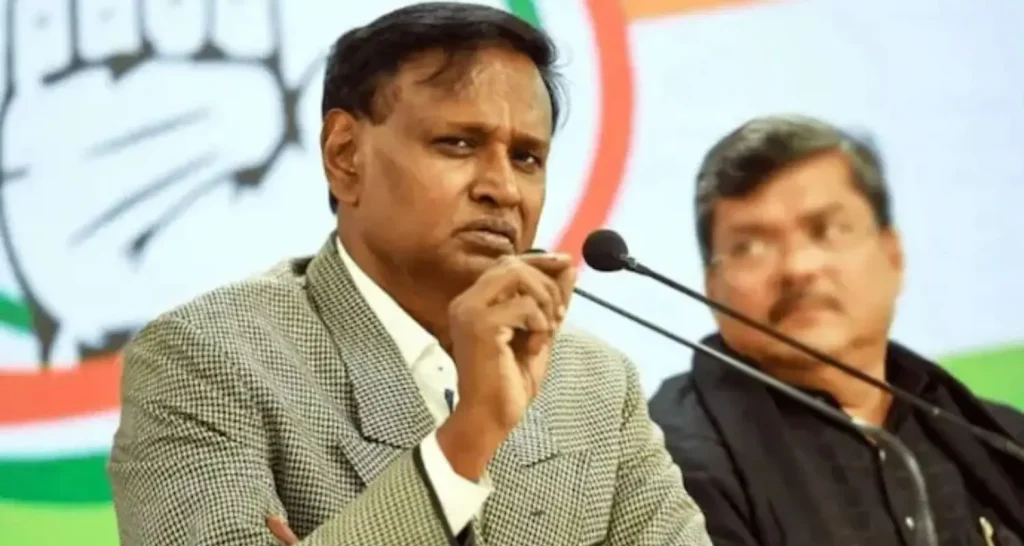
As expected, Udit Raj’s remarks did not go unnoticed. The reactions have been swift and divided.
BJP’s Response
- BJP leaders criticized Udit Raj, accusing him of siding with an American hardliner who directly targeted India’s economic interests.
- They argued that such statements show the Congress party’s lack of clarity on protecting Indian workers and industries.
Congress Party’s Position
- The Congress leadership has not officially endorsed Udit Raj’s support for Navarro.
- Some insiders suggested that his views are personal and do not reflect the party’s official stance.
- However, others saw it as a calculated move to project Congress as aligned with worker-friendly policies.
Media and Experts
- Media outlets framed Udit Raj’s support as “controversial within controversy.”
- Economic experts were divided—some agreed that globalization needs rethinking, while others warned that aligning with Navarro’s extreme protectionism would be dangerous for India’s growth.
Historical Context: India, the U.S., and Trade Wars
To fully appreciate the significance of Udit Raj’s support for Navarro, we must look at the history of India-U.S. trade relations.
- Under Trump, India faced tariffs on steel and aluminum.
- India retaliated with tariffs on American goods like almonds and apples.
- Despite tensions, trade between the two countries grew, showing their interdependence.
- Navarro was central to these disputes, as he crafted Trump’s tariff strategies.
So when Udit Raj supports Navarro, it almost feels like supporting the very policies that hurt Indian exporters. This is why his statement has created such a stir.
Global Implications of Navarro’s View and Udit Raj’s Support
- India-U.S. Relations
- If more Indian leaders start echoing Navarro’s views, it could complicate India’s diplomatic position.
- India is trying to balance its ties with the U.S. while also defending its trade interests.
- Political Messaging in India
- By aligning with Navarro’s labor-first rhetoric, Udit Raj could be appealing to India’s working-class voters.
- However, it risks alienating those who see America as an important strategic partner.
- Debate on Globalization
- The larger debate here is about whether globalization has truly benefitted ordinary people.
- Both Navarro and Udit Raj seem to agree that it hasn’t—but their motivations differ.
Criticism of Udit Raj
Several analysts have pointed out contradictions in Udit Raj’s stance:
- Supporting Navarro means supporting a worldview that directly undermines India’s export-driven economy.
- Navarro’s policies hurt Indian IT companies, small manufacturers, and even farmers.
- By supporting Navarro, Udit Raj may unintentionally be backing policies that could weaken India’s global competitiveness.
Support for Udit Raj
On the other hand, some have defended Udit Raj’s position:
- They argue that he is highlighting the need to rethink globalization and trade policies that only benefit big corporations.
- Workers in India, particularly in the unorganized sector, have not gained as much from international trade as policymakers claim.
- By siding with Navarro, Udit Raj may be trying to spark a debate on inclusive growth.
Broader Themes Emerging from the Debate
- Globalization vs. Protectionism
- Is the world moving towards de-globalization, and is India ready for it?
- Political Opportunism
- Did Udit Raj support Navarro for ideological reasons, or was it a tactical move to grab headlines and corner the BJP?
- Impact on 2024–25 Politics
- As India heads into crucial elections, every statement is being measured for its political impact.
- Udit Raj’s comments may be aimed at positioning Congress as pro-worker.
Conclusion
The controversy surrounding Udit Raj’s support for Peter Navarro’s statement is more than just a passing news story. It reflects the growing complexities of global politics, the clash between globalization and protectionism, and the way Indian politicians are navigating these debates for domestic advantage.
Udit Raj’s support highlights a deeper question: Is globalization truly working for the poor and marginalized, or is it only serving elites?
While Peter Navarro’s extreme protectionism may not be suitable for India, Udit Raj’s endorsement of his critique forces us to reflect on whether India’s current economic path is inclusive and sustainable.
Ultimately, this episode has sparked an important conversation—one that blends economics, politics, and international diplomacy. Whether Udit Raj’s remarks will fade as just another political controversy or shape future debates on India’s trade policy remains to be seen.
Read more latest news

