

Introduction
A sense of dread gripped Myanmar on Tuesday as two powerful earthquakes shook the country, leaving destruction, panic, and uncertainty in their wake. The tremors, which struck in quick succession, sent people fleeing from buildings, caused infrastructure damage, and heightened fears of aftershocks. As rescue teams work tirelessly to assess the damage and provide aid, the nation finds itself grappling with yet another crisis amid ongoing political and economic turmoil.
In this blog, we take an in-depth look at the earthquakes that struck Myanmar, their immediate impact, the response from local and international organizations, and what lies ahead for the affected communities.
The Earthquakes: What Happened?
On Tuesday, Myanmar experienced two consecutive earthquakes that rattled different regions of the country. According to seismological data:
- The first earthquake measured 6.5 on the Richter scale and struck at a depth of 10 kilometers.
- The second earthquake, occurring just hours later, was recorded at 5.8 magnitude.
- The epicenters were located in Sagaing Region, an area known for its seismic activity.
- Tremors were felt in Mandalay, Naypyidaw, and parts of Thailand and India.
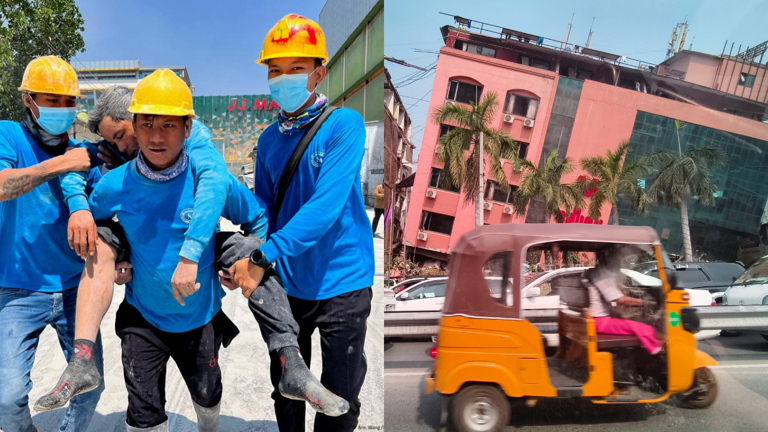
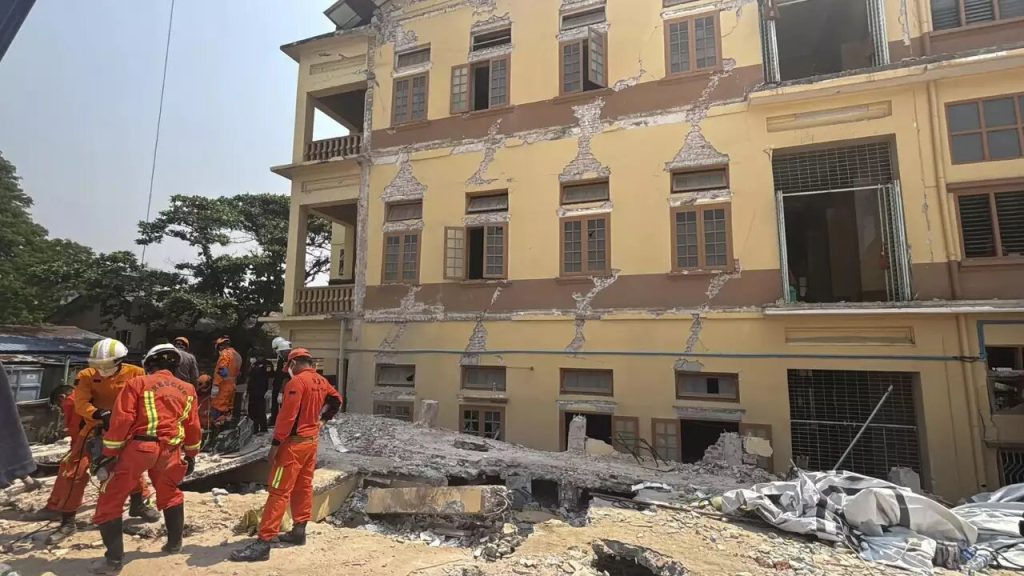
Eyewitnesses reported buildings swaying, household items crashing to the ground, and terrified residents rushing into the streets for safety. Many structures, already weakened due to aging infrastructure and lack of maintenance, suffered extensive damage.
The Immediate Aftermath
Casualties and Damage
While official numbers are still being confirmed, preliminary reports indicate that:
- At least dozens of people have lost their lives, with hundreds injured.
- Many buildings, including residential homes, temples, and bridges, have collapsed or suffered major cracks.
- Roads and power lines have been severely damaged, disrupting transportation and communication networks.
- Schools and hospitals in affected areas were evacuated for safety reasons.
Panic and Fear Among Residents
The earthquakes triggered widespread fear, especially in regions already struggling with conflict and political instability. Reports suggest that:
- Thousands of people spent the night in open spaces, too afraid to return to their homes due to the possibility of aftershocks.
- Families scrambled to find missing loved ones, while emergency services were overwhelmed with distress calls.
- Supermarkets and convenience stores witnessed panic buying as people rushed to stock up on food and essentials, fearing a prolonged crisis.
Government and Emergency Response
In response to the disaster, the Myanmar government and local authorities mobilized resources to assist affected regions. Key measures taken include:
- Deployment of rescue teams and military personnel to assist in search and rescue operations.
- Establishment of temporary shelters for displaced families.
- Medical teams providing first aid and emergency care to the injured.
- Issuance of earthquake safety advisories to the public, urging caution against aftershocks.
However, Myanmar’s current political situation has complicated relief efforts. The country has been under military rule since the coup in 2021, leading to concerns about how effectively aid can be distributed. Some humanitarian organizations have called for international intervention to ensure affected communities receive the necessary support without political interference.
International Aid and Support
As news of the earthquakes spread, several countries and international organizations have stepped in to offer assistance:
- United Nations agencies are coordinating relief efforts, sending aid packages, and assessing the situation on the ground.
- Neighboring countries like Thailand and India have pledged support, offering rescue teams and humanitarian aid.
- Non-governmental organizations (NGOs) such as the Red Cross and Médecins Sans Frontières (Doctors Without Borders) are mobilizing resources to help victims.
However, access to certain conflict-affected areas remains a challenge, raising concerns that some communities may not receive aid in time.
Myanmar’s History with Earthquakes
Myanmar is located in a seismically active zone, making it prone to earthquakes. The country has witnessed several destructive earthquakes in the past, including:
- The 2016 earthquake in central Myanmar that caused severe damage to Bagan’s historic temples.
- The 2011 earthquake in the Shan State region that left over 70 people dead and caused significant destruction.
Despite these past experiences, preparedness and response mechanisms remain weak, with infrastructure vulnerabilities exacerbating the damage each time a major earthquake strikes.
Challenges Ahead for Myanmar
As Myanmar begins the process of recovery, several challenges need to be addressed:
1. Aftershocks and Structural Damage
Seismologists warn that aftershocks could continue for days or weeks, further endangering already fragile buildings and structures. Authorities must conduct rapid structural assessments to determine which buildings are safe to inhabit.
2. Displacement and Humanitarian Crisis
Many families have been left homeless and are in urgent need of food, water, and medical aid. Given the ongoing political instability, coordinating relief efforts will be difficult.
3. Economic Impact
The earthquakes have caused significant damage to businesses, roads, and power infrastructure, potentially disrupting local economies. Myanmar’s economy is already struggling due to international sanctions, and this disaster will further strain the country’s financial stability.
4. Political Implications
The earthquakes have put pressure on Myanmar’s military government to handle the crisis effectively. There is rising concern that poor management of relief efforts could lead to widespread public discontent and further political unrest.
What Can Be Done to Support Myanmar?
In times of crisis, collective action is essential. Individuals and organizations can help in the following ways:
- Donating to humanitarian organizations providing relief in Myanmar, such as the Red Cross, UNICEF, and World Food Programme.
- Raising awareness about the situation through social media and advocacy efforts to ensure global attention remains on Myanmar’s crisis.
- Urging governments and policymakers to support aid missions and remove barriers to relief efforts.
Conclusion
The two earthquakes that struck Myanmar on Tuesday have left behind devastation, fear, and uncertainty. As communities struggle to recover, it is imperative that swift and effective action is taken to support those in need. The country must strengthen its disaster preparedness measures, rebuild critical infrastructure, and ensure that relief reaches those who need it most.
In the face of tragedy, resilience and solidarity can pave the way for recovery. While the road ahead will be difficult, with international support and community efforts, Myanmar can begin to heal from this latest disaster.
read more latest news

