

Trump Rejected Iran Proposal: West Asia Peace Hopes Fade as Global Oil Prices Surge
The geopolitical crisis in West Asia has entered a dangerous new phase after Trump rejected Iran proposal aimed at ending the ongoing conflict between the United States and Iran. The decision has shaken global markets, increased fears of a prolonged war, and pushed international crude oil prices sharply higher. Analysts believe the rejection of the peace framework could prolong instability in the Middle East for months, affecting not only regional security but also the global economy.
For nearly 10 weeks, the conflict between Washington and Tehran has dominated international headlines. Hopes for diplomacy briefly emerged when Iran reportedly submitted a revised peace proposal involving ceasefire terms, reopening trade routes, and discussions over sanctions. However, those hopes collapsed after Trump rejected Iran proposal, calling Tehran’s response “totally unacceptable.”
The rejection immediately triggered reactions across energy markets. Brent crude prices surged above $104 per barrel while West Texas Intermediate crude approached $100, highlighting investor fears over disrupted oil supplies through the Strait of Hormuz.
Rising Tensions in West Asia
The latest diplomatic collapse comes at a time when tensions in West Asia were already at extreme levels. Since the beginning of the conflict, military operations, sanctions, naval blockades, and attacks on oil infrastructure have destabilized the region.
When Trump rejected Iran proposal, it signaled that negotiations between both countries remain far apart. Iran reportedly demanded the lifting of sanctions, recognition of its control over the Strait of Hormuz, compensation for war-related damages, and guarantees against future attacks. The United States, however, insisted on restrictions linked to Iran’s nuclear activities and freedom of navigation through Hormuz.
Diplomatic experts argue that the rejection has significantly reduced the possibility of a near-term ceasefire. Many analysts now fear the war could continue throughout 2026, putting enormous pressure on global energy markets.
Why the Strait of Hormuz Matters
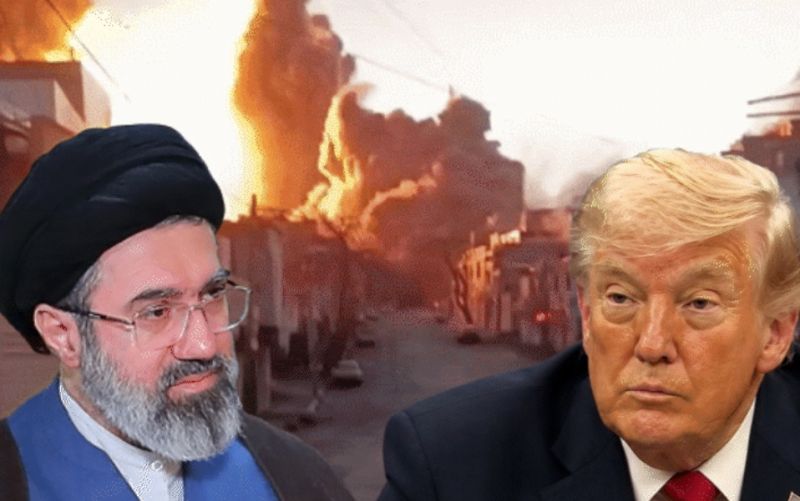
One of the biggest reasons global markets reacted so strongly after Trump rejected Iran proposal is the strategic importance of the Strait of Hormuz. This narrow waterway handles nearly 20% of the world’s oil shipments.
Since the conflict escalated, shipping activity through the strait has been heavily disrupted. Tankers have faced delays, insurance costs have risen dramatically, and several international companies have reduced operations in the region.
Oil traders worry that if tensions continue, the Strait of Hormuz could remain partially closed for a prolonged period. This would create supply shortages and increase transportation costs worldwide.
The global economy is extremely dependent on stable oil supplies from the Gulf region. Countries like China, India, Japan, and many European nations rely heavily on Middle Eastern crude imports. Any disruption in supply directly impacts fuel prices, inflation, and industrial production.
Oil Prices Surge Across Global Markets
Soon after Trump rejected Iran proposal, oil prices jumped more than 3% in international trading. Brent crude crossed the $104 mark, while WTI crude also recorded significant gains.
Energy analysts say markets had expected progress toward peace talks. Investors were optimistic that negotiations could reopen the Strait of Hormuz and restore normal oil flows. However, the rejection destroyed those hopes almost instantly.
Saudi Aramco CEO Amin Nasser warned that oil markets may not return to normal this year unless the Iran conflict is resolved quickly.
The sharp rise in crude prices is expected to affect:
- Petrol and diesel prices
- Aviation fuel costs
- Transportation expenses
- Manufacturing industries
- Food inflation
- Global trade costs
For developing nations already struggling with inflation, higher oil prices could become a major economic challenge.
Trump’s Hardline Approach
Observers say Trump rejected Iran proposal because the US administration considered Tehran’s demands unrealistic and strategically unacceptable.
According to reports, the proposal included demands for:
- Lifting economic sanctions
- Ending the US naval blockade
- Recognizing Iran’s authority over Hormuz
- Financial compensation for damages
- Reduced Western military presence in the region
Supporters of the US president argue that accepting the deal would weaken American influence in West Asia. Critics, however, warn that continued military confrontation could destabilize the global economy and lead to humanitarian disasters.
Iran Position and Regional Strategy
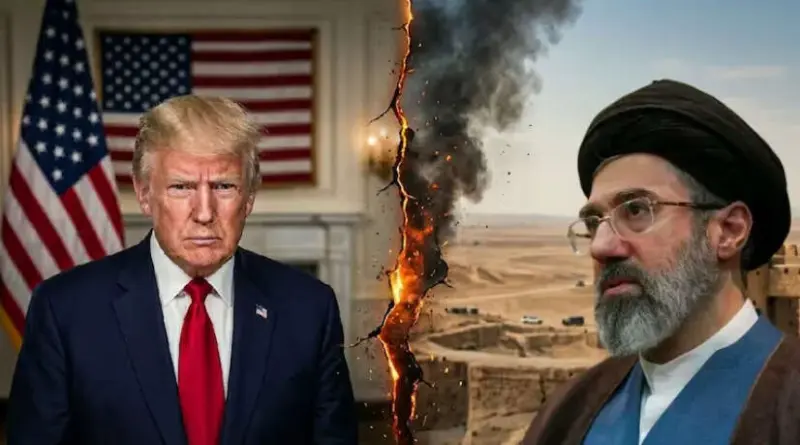
Iran has consistently maintained that sanctions and military pressure must end before any long-term agreement can succeed. Tehran believes the United States must recognize its regional influence and economic rights.
After Trump rejected Iran proposal, Iranian officials reportedly warned that continued pressure could worsen instability in the Gulf region. Some Iranian media outlets emphasized that Tehran would not surrender control over critical maritime routes.
Iran also continues to maintain close ties with regional groups and allies across Lebanon, Syria, Iraq, and Yemen. These alliances have complicated diplomatic efforts because any escalation can spread across multiple countries simultaneously.
Regional observers fear that prolonged conflict could increase proxy warfare and destabilize neighboring nations.
Impact on Global Inflation
The decision after Trump rejected Iran proposal is expected to have major economic consequences beyond the energy sector.
Higher oil prices usually lead to:
- Increased transportation costs
- Rising food prices
- Expensive industrial production
- Inflation in consumer goods
- Pressure on central banks
Countries across Europe and Asia are closely monitoring the situation because elevated crude prices could delay interest rate cuts and slow economic recovery.
Several economists believe inflation could rise again if crude prices remain above $100 for an extended period. This would create pressure on governments already dealing with slowing growth and unemployment concerns.
Stock Markets React to the Crisis
Global financial markets also reacted nervously after Trump rejected Iran proposal. Airline stocks weakened due to fears of rising fuel costs, while energy companies recorded gains.
Investors shifted money toward safer assets such as:
- US dollar
- Government bonds
- Gold (though gold showed mixed reaction)
- Energy stocks
Market analysts believe geopolitical instability in West Asia has become one of the biggest risks facing global investors in 2026.
Asian markets showed mixed performance while European indexes declined amid concerns about inflation and supply disruptions.
Can Diplomacy Still Work?
Even though Trump rejected Iran proposal, diplomatic efforts are not completely over. International mediators including China, Gulf nations, and European countries continue to push for negotiations.
China has emerged as a particularly important player because it purchases a large portion of Iranian oil exports. Experts believe Beijing could influence future talks if tensions continue to damage global trade.
However, the gap between Washington and Tehran remains extremely wide. The United States wants stricter nuclear controls and open shipping access, while Iran demands sanctions relief and sovereignty guarantees.
Without compromise from both sides, the conflict may continue for several more months.
Military Risks Continue to Rise
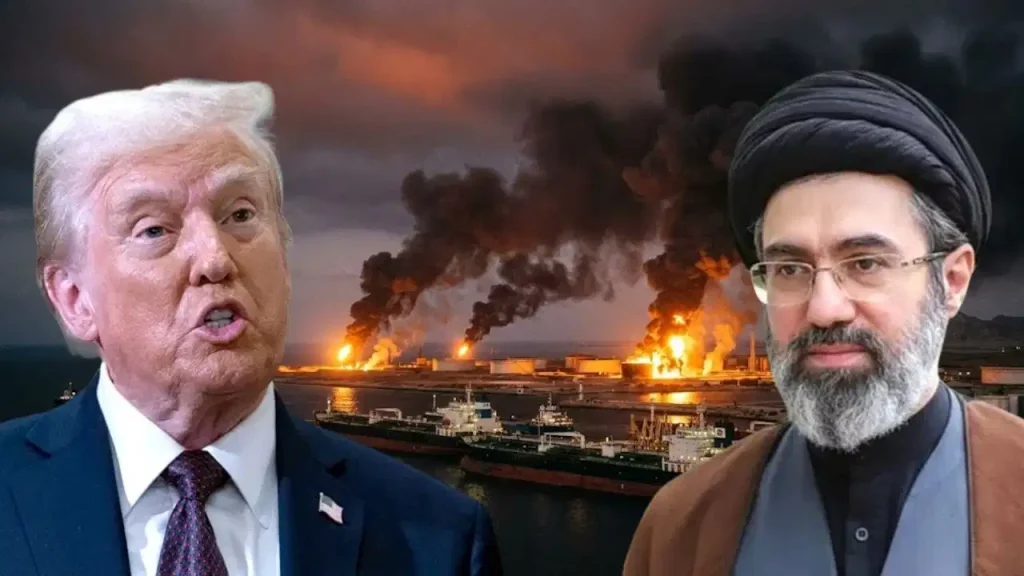
Security experts warn that the situation could worsen if diplomacy completely collapses. The prolonged closure or disruption of Hormuz increases the risk of:
- Naval confrontations
- Drone attacks
- Missile strikes
- Cyber warfare
- Regional proxy conflicts
After Trump rejected Iran proposal, military analysts suggested that both countries may intensify strategic pressure instead of reducing tensions.
The Gulf region hosts several major US military bases, making it a sensitive area for escalation. Any direct military confrontation could quickly impact neighboring countries and international trade routes.
Effect on India and Asian Economies
Asian economies are among the biggest victims of rising oil prices. India, China, Japan, and South Korea import massive quantities of crude oil from the Gulf region.
If the conflict continues after Trump rejected Iran proposal, India may face:
- Higher fuel prices
- Increased import bills
- Rupee pressure
- Inflation challenges
- Transportation cost increases
Indian policymakers are closely monitoring the crisis because expensive crude oil can affect economic growth and government spending plans.
China is also deeply concerned because disruptions in oil shipments could impact manufacturing and exports.
Energy Markets Face Uncertainty
The oil market remains highly volatile as traders assess the possibility of prolonged disruption. Analysts say even temporary reopening of the Strait of Hormuz may not immediately normalize supply chains.
Shipping companies and refiners are already adjusting operations to deal with uncertainty. Some countries are also considering increasing strategic petroleum reserves to protect against future supply shortages.
After Trump rejected Iran proposal, investors realized that diplomatic resolution may take much longer than expected.
Global Political Reactions
Several world leaders have expressed concern over the breakdown in negotiations. European nations have urged restraint while Gulf countries worry about regional stability.
International organizations fear that continued escalation could:
- Increase refugee crises
- Damage global trade
- Trigger humanitarian emergencies
- Create wider geopolitical divisions
The United Nations has repeatedly called for renewed diplomacy and peaceful negotiations.
Could Oil Reach New Highs?
Energy experts believe oil prices could rise even further if:
- The Strait of Hormuz remains restricted
- Military attacks intensify
- Sanctions expand
- Supply disruptions increase
Some analysts predict Brent crude could move toward $120 per barrel if tensions worsen significantly.
Because Trump rejected Iran proposal, traders now see a higher probability of prolonged instability. This uncertainty is keeping oil markets extremely sensitive to political developments.
Long-Term Consequences for West Asia
The latest diplomatic failure highlights how fragile peace efforts remain in West Asia. The region has experienced decades of conflict involving geopolitical rivalries, energy politics, and military competition.
When Trump rejected Iran proposal, it reinforced fears that hardline positions continue to dominate policy decisions on both sides.
Long-term consequences may include:
- Increased militarization
- Economic instability
- Reduced foreign investment
- Higher defense spending
- Slower regional development
The humanitarian impact of prolonged conflict could also become severe if civilian infrastructure and trade routes continue to suffer.
Future of US-Iran Relations
Relations between Washington and Tehran have remained tense for years due to disagreements over nuclear programs, sanctions, regional influence, and military activity.
The moment Trump rejected Iran proposal may become another major turning point in this difficult relationship.
Future negotiations will likely depend on:
- International mediation
- Oil market pressure
- Domestic politics in both countries
- Military developments
- Economic conditions
Experts believe any future peace agreement will require major compromises from both governments.
Conclusion
The decision after Trump rejected Iran proposal has dramatically changed the geopolitical and economic landscape of West Asia. Hopes for peace have weakened, oil prices have surged, and fears of prolonged conflict continue to grow.
The rejection has exposed deep divisions between the United States and Iran over sanctions, security, nuclear policy, and control of strategic waterways. With the Strait of Hormuz still under disruption, global energy markets remain under pressure.
For the world economy, the consequences could be serious. Rising fuel costs, inflation risks, and geopolitical instability may continue affecting businesses and consumers worldwide.
Whether diplomacy can recover after Trump rejected Iran proposal remains uncertain. However, one thing is clear: the conflict in West Asia is no longer just a regional issue—it has become a global economic and political challenge.
read more latest news

