
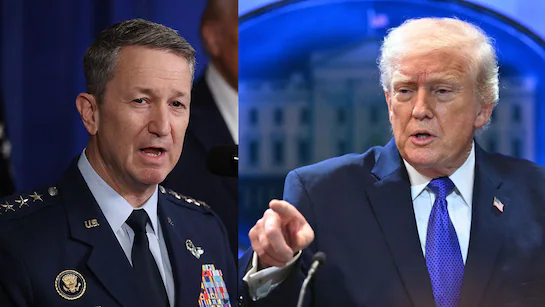
Trump Amid the Hormuz Crisis: Shifting Tactics, Rising Threats, and Global Anxiety
Trump amid the Hormuz crisis, The global geopolitical landscape is witnessing one of its most volatile phases in recent years. At the center of this storm stands Donald Trump, whose evolving strategies and aggressive rhetoric toward Iran have intensified tensions across the Middle East.
As the crisis surrounding the Strait of Hormuz deepens, the world is grappling with rising oil prices, fears of a broader war, and growing uncertainty over U.S. foreign policy. In this complex scenario, Trump amid the Hormuz crisis has become a defining narrative shaping global markets and diplomatic relations.
The Strategic Importance of the Strait of Hormuz
The Strait of Hormuz is one of the most critical chokepoints in global energy supply. Nearly 20% of the world’s oil passes through this narrow waterway, making it vital for both producers and consumers.
Any disruption in this region sends shockwaves across international markets. With escalating tensions, Trump amid the Hormuz crisis is facing one of the most significant geopolitical challenges of his leadership.
Recent developments indicate that shipping through the strait has been severely affected, contributing to a surge in oil prices and increasing global anxiety.
Escalation: Ultimatums and Threats
One of the most controversial aspects of Trump amid the Hormuz crisis has been his use of strong ultimatums.
Reports indicate that Trump issued a 48-hour ultimatum to Iran, demanding the reopening of the Strait of Hormuz or facing potential attacks on energy infrastructure.
In response, Iran warned of severe retaliation, including the possibility of completely shutting down the strait and targeting regional energy facilities.
This exchange of threats has significantly heightened the risk of a full-scale conflict.
Oil Prices Surge Amid Uncertainty
One of the most immediate impacts of Trump amid the Hormuz crisis has been the sharp rise in global oil prices.
Oil prices have surged above $100 per barrel as fears of supply disruption grow.
The volatility in energy markets reflects the uncertainty surrounding the crisis. Investors and governments alike are closely monitoring the situation, as prolonged disruption could have severe economic consequences.
A Strategy of Pressure and Flexibility
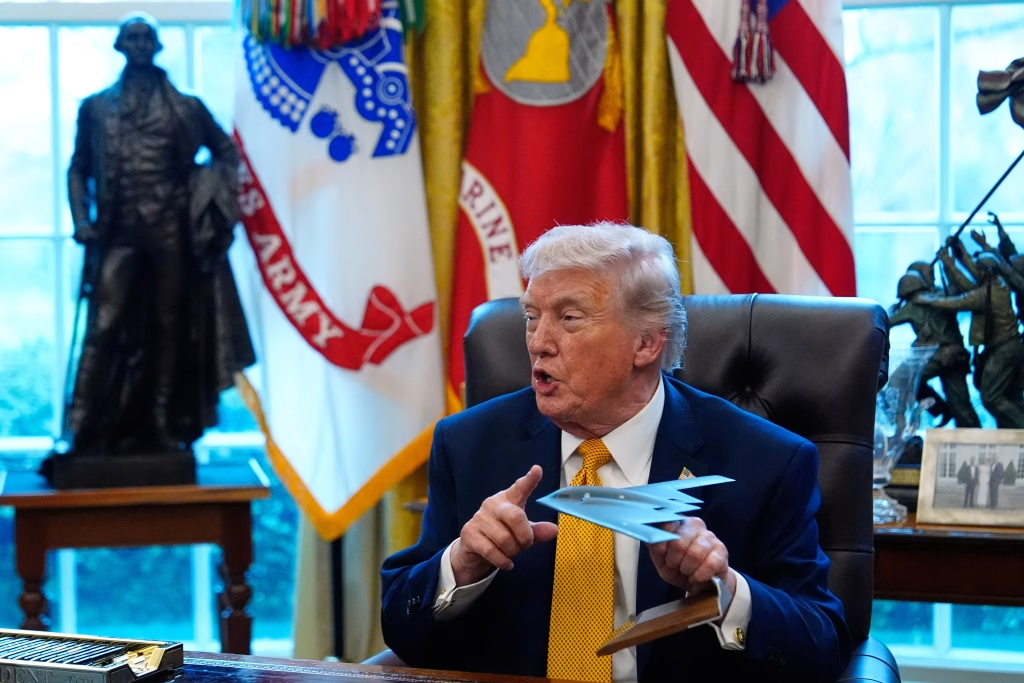
Interestingly, Trump amid the Hormuz crisis has displayed a mix of aggressive threats and signals of de-escalation.
On one hand, he has warned of military action against Iran’s energy infrastructure. On the other, he has hinted at the possibility of stepping back from the conflict without fully resolving the issue.
This dual approach has left analysts divided. Some see it as a calculated strategy to pressure Iran, while others view it as inconsistent and potentially risky.
Military and Economic Calculations
The actions of Trump amid the Hormuz crisis are not just about military power but also economic strategy.
The United States is attempting to ensure the free flow of oil while simultaneously applying pressure on Iran. However, the effectiveness of this approach remains uncertain.
Experts warn that prolonged conflict could lead to sustained high oil prices, affecting global inflation and economic growth.
Iran Response Defiance and Deterrence
Iran has responded strongly to the actions of Trump amid the Hormuz crisis.
Officials have warned that any attack on their infrastructure would trigger widespread retaliation across the Middle East.
This includes targeting energy facilities in countries allied with the United States, raising the stakes of the conflict significantly.
Global Impact: Beyond the Middle East
The effects of Trump amid the Hormuz crisis are not limited to the Middle East.
Countries around the world are feeling the impact through:
- Rising fuel prices
- Increased shipping costs
- Economic uncertainty
- Market volatility
The crisis has highlighted the interconnected nature of global energy markets.
Criticism of U.S. Policy
The approach taken by Trump amid the Hormuz crisis has drawn criticism from various quarters.
Some experts argue that the strategy lacks consistency and could escalate tensions unnecessarily. Others believe that stronger measures are needed to ensure stability in the region.
Former officials and analysts have questioned whether the current approach effectively balances deterrence and diplomacy.
The Risk of a Full-Scale War
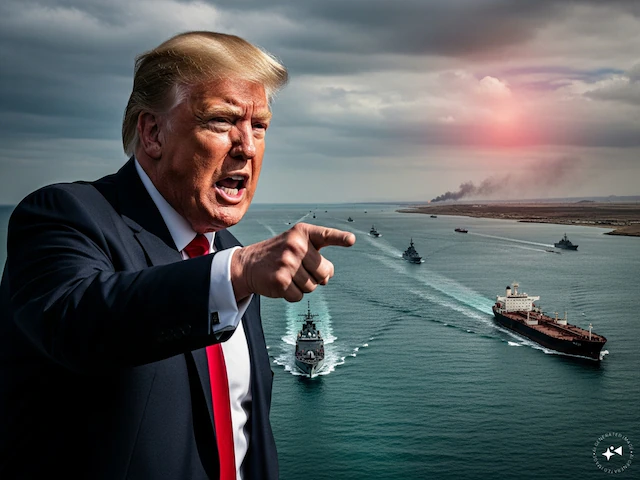
One of the biggest concerns surrounding Trump amid the Hormuz crisis is the risk of a broader war.
With both sides issuing strong threats and refusing to back down, the situation remains highly volatile.
Even a small miscalculation could trigger a larger conflict involving multiple countries.
Market Reactions and Investor Sentiment
Financial markets have been highly sensitive to developments related to Trump amid the Hormuz crisis.
Oil prices have experienced sharp fluctuations, reflecting uncertainty about the future.
Investors are increasingly cautious, with many seeking safer assets amid the instability.
Diplomatic Efforts and International Response
While tensions remain high, there are ongoing efforts to find a diplomatic solution.
Several countries and international organizations are working to de-escalate the situation.
However, the success of these efforts depends largely on the actions of Trump amid the Hormuz crisis and Iran’s response.
Energy Security Concerns
The crisis has once again highlighted the importance of energy security.
Countries are exploring alternative supply routes and diversifying their energy sources to reduce dependence on the Strait of Hormuz.
In this context, Trump amid the Hormuz crisis has accelerated discussions around long-term energy strategies.
Domestic Implications for the United States
The actions of Trump amid the Hormuz crisis also have significant domestic implications.
Rising fuel prices can impact inflation, consumer spending, and overall economic stability in the United States.
Political opposition has also raised concerns about the potential consequences of the administration’s approach.
A Turning Point in Global Politics?
Many analysts believe that Trump amid the Hormuz crisis could mark a turning point in global geopolitics.
The outcome of this conflict may reshape alliances, influence energy policies, and redefine power dynamics in the region.
The Uncertain Road Ahead
As the situation continues to evolve, the future remains uncertain.
The actions of Trump amid the Hormuz crisis will play a crucial role in determining whether the world moves toward resolution or further escalation.
Conclusion
The ongoing tensions between the United States and Iran have created a highly volatile global environment.
At the center of this crisis, Trump amid the Hormuz crisis represents a complex mix of strategy, pressure, and unpredictability.
With rising oil prices, growing fears of war, and increasing global concern, the stakes have never been higher.
The coming days and weeks will be critical in shaping the outcome of this crisis and its impact on the world.
Read More latest news

