

“Is Election the Only Thing in Life?”: SC Defers Tahir Hussain’s Bail Hearing in Delhi Riots Case
Thing In Life In a significant development in the Delhi Riots case, the Supreme Court of India deferred the bail hearing of former Aam Aadmi Party (AAP) councilor Tahir Hussain, who faces charges of inciting violence and playing a central role in the communal riots that shook Northeast Delhi in February 2020. The deferment came amidst pointed observations by the court, particularly its remark, “Is election the only thing in life?”—a comment that has sparked debates over the intersection of judicial processes and political priorities.
This article delves into the background of the case, the legal proceedings so far, and the broader implications of the Supreme Court’s stance on this contentious issue.
Thing In Life Background: The Delhi Riots of 2020
The Delhi riots of February 2020 were among the most devastating instances of communal violence in recent history, claiming over 50 lives and injuring hundreds. The violence coincided with protests against the Citizenship Amendment Act (CAA), which had polarized public opinion across the country.
The riots were concentrated in Northeast Delhi, with neighborhoods like Jaffrabad, Maujpur, and Chand Bagh turning into battlegrounds. Allegations of political involvement, both in inciting and failing to control the violence, have marred the aftermath of the riots.
Role of Tahir Hussain
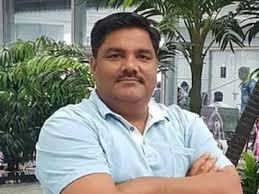
Tahir Hussain, a former councilor from the AAP, was accused of being a key conspirator in the riots. Allegations against him include:
- Incitement of Violence: Prosecutors allege that Hussain used his home as a “control room” to orchestrate attacks on specific communities.
- Stockpiling Weapons: Investigations revealed that petrol bombs, stones, and other incendiary materials were allegedly found at his residence.
- Direct Involvement: Witnesses and complainants accuse him of actively participating in and leading the mob during the riots.
Hussain has repeatedly denied these charges, claiming that he is being framed for political reasons.
Thing In Life Legal Proceedings So Far
Initial Arrest and Charges
Tahir Hussain was arrested in March 2020 under multiple charges, including:
- Sections of the IPC: Rioting, arson, and murder.
- UAPA (Unlawful Activities Prevention Act): For alleged conspiracy and incitement of violence.
Lower Court Decisions
Hussain’s bail pleas in the trial court and the Delhi High Court were rejected, with both courts citing the severity of the charges and the potential for witness tampering as reasons for denial.
Thing In Life Supreme Court Involvement
Hussain then approached the Supreme Court, seeking relief and bail. His legal team argued that the charges against him were politically motivated and that he has already spent over three years in custody without trial.
Thing In Life The Supreme Court Hearing: Key Highlights
During the hearing on Hussain’s bail plea, the Supreme Court bench, led by Justice Sanjay Kishan Kaul, expressed its dissatisfaction with the political undertones that often influence high-profile cases.
Court’s Observations
- Focus on Elections:
The court’s remark, “Is election the only thing in life?” was directed at the pervasive politicization of sensitive issues, including ongoing legal cases. - Judicial Independence:
The bench emphasized the importance of judicial processes remaining unaffected by political narratives, particularly during election cycles. - Deferred Bail Hearing:
Noting the charged political environment, the court deferred the bail hearing, signaling its intention to address the case without external pressures.
Arguments Presented
- Defense:
Hussain’s counsel argued that his continued detention violates his right to a speedy trial and that there is insufficient evidence to link him directly to the violence. They also questioned the credibility of the witnesses and the selective targeting of their client. - Prosecution:
The prosecution reiterated its stance, highlighting the gravity of the allegations and the evidence collected during the investigation. They argued that Hussain’s release could jeopardize the trial and endanger witnesses.
Thing In Life Broader Implications of the SC’s Remarks
The Supreme Court’s pointed observations have triggered widespread discussions about the interplay between politics, judiciary, and elections.
1. The Politicization of Judicial Processes
High-profile cases like Tahir Hussain’s often become battlegrounds for political parties to push their narratives. The court’s remark underscores the need to insulate legal proceedings from political pressures, ensuring justice is served impartially.
2. Speedy Trial vs. Preventive Detention
The prolonged detention of individuals without trial raises concerns about fundamental rights. While preventive detention is justified in cases of national security or severe crimes, the lack of timely trials can erode public trust in the judicial system.
3. Election-Time Sensitivities
The court’s decision to defer the hearing reflects an awareness of the potential impact of its rulings during politically charged periods. While this cautious approach avoids unnecessary controversies, it also delays justice for both the accused and the victims.
Thing In Life Public Reactions and Political Fallout
The deferment of Hussain’s bail hearing has elicited mixed reactions:
Support for SC’s Stance
Legal experts and civil society groups have welcomed the court’s remarks, emphasizing the importance of judicial independence. Many argue that the judiciary must remain a neutral arbiter, especially in cases involving political figures.
Criticism from Political Circles
Some opposition parties have accused the judiciary of delaying justice, while supporters of the ruling party have reiterated their belief in the court’s ability to uphold justice. The polarizing nature of the case ensures it remains a flashpoint for political debates.
Thing In Life Case Analysis: Balancing Justice and Politics
The Role of Evidence
The success of the prosecution’s case against Tahir Hussain hinges on the admissibility and reliability of the evidence presented. Key questions include:
- Were the materials found at Hussain’s residence planted or legitimately recovered?
- How credible are the eyewitness testimonies linking him to the violence?
The Presumption of Innocence
While the severity of the charges against Hussain cannot be understated, the principle of “innocent until proven guilty” must guide judicial processes. Prolonged pre-trial detention risks undermining this fundamental right.
Thing In Life Setting a Precedent
The outcome of this case could set a precedent for how similar politically sensitive cases are handled in the future. It is crucial for the judiciary to balance accountability with fairness, ensuring that justice is not only done but also seen to be done.
Thing In Life Conclusion: A Test of Justice in a Politically Charged Climate
The Supreme Court’s deferment of Tahir Hussain’s bail hearing reflects the complexities of navigating politically sensitive cases in India. While the court’s remarks highlight the need to prioritize justice over political considerations, the delay also prolongs the uncertainty for all parties involved.
As the case progresses, it will serve as a litmus test for the judiciary’s ability to uphold its independence in the face of political pressures. Beyond the legal verdict, the case underscores the urgent need for reforms to ensure timely trials and the depoliticization of sensitive issues.
The ultimate goal must be to deliver justice—not just for the accused or the victims of the Delhi riots but for the larger democratic ethos of the nation.
Read More latest News

