
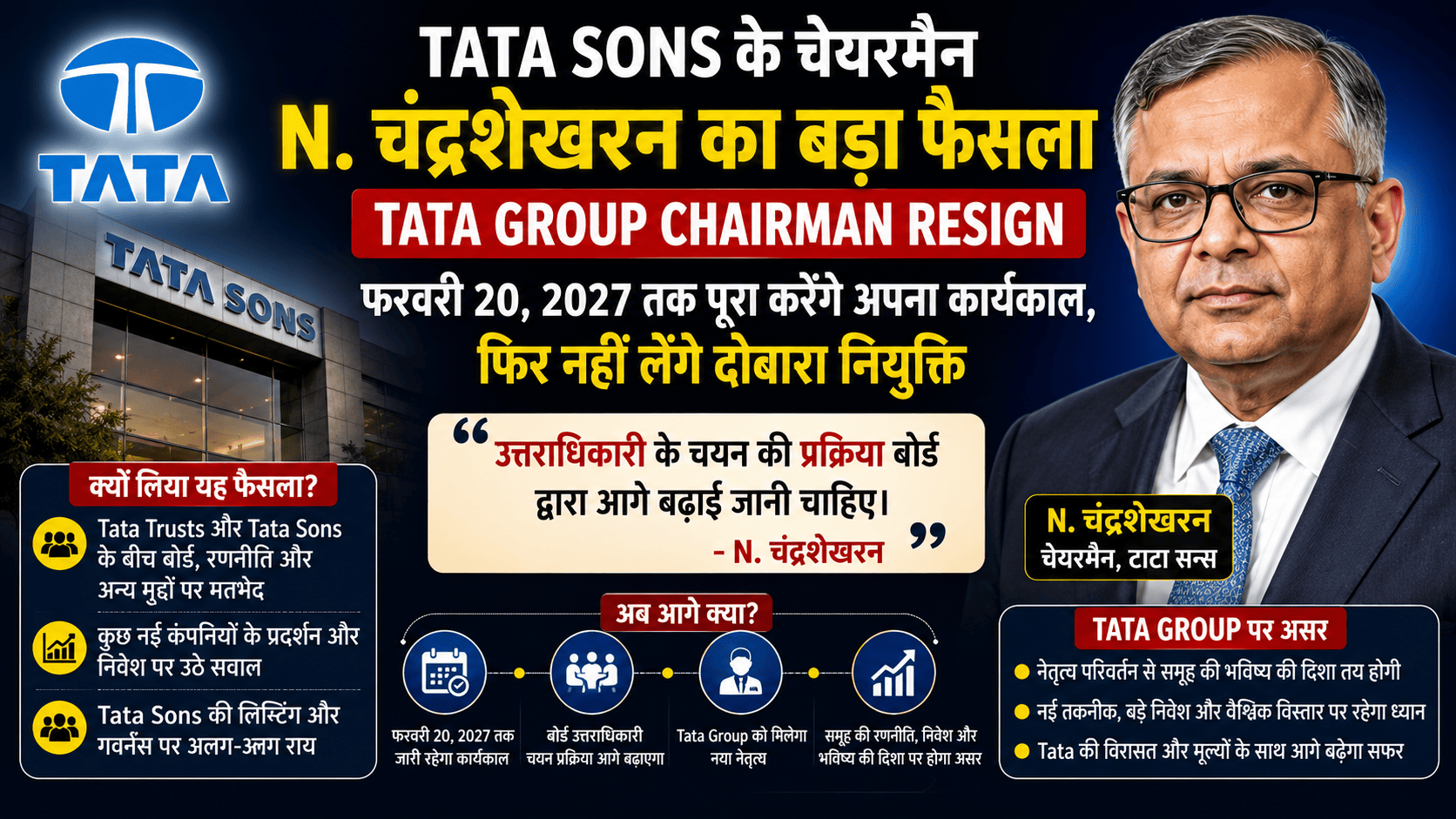
Tata Group Chairman Resign: N. Chandrasekaran to Step Down After Current Term
The phrase Tata Group chairman resign has consequently become a major corporate news topic, although it is important to clarify that Chandrasekaran is not leaving the post immediately. He will complete his existing tenure.
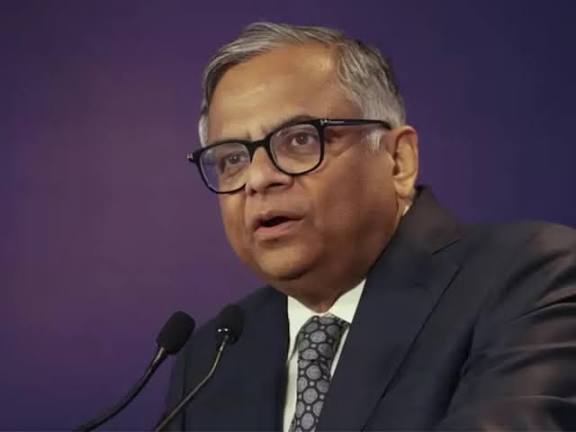
A major leadership change is set to take place at Tata Sons, the holding company of the Tata Group, after Chairman N. Chandrasekaran announced that he will not seek reappointment when his current term ends. Chandrasekaran will continue in the position until February 20, 2027, but has decided against seeking another term. The development comes after months of discussions and reported differences within the group’s governance structure.
The announcement has generated considerable attention across India’s corporate sector because Tata Sons sits at the centre of one of the country’s most prominent business groups.
N. Chandrasekaran Announces Decision
N. Chandrasekaran became Chairman of Tata Sons in 2017, succeeding Cyrus Mistry. During his tenure, the group expanded its presence in several emerging and strategic areas, including airlines, semiconductors, electronics, batteries and digital businesses.
His decision not to seek another term represents a significant change for the conglomerate. Earlier discussions had centred on the possibility of extending his tenure beyond February 2027. However, the reappointment process faced complications during the year.
The latest development means that the Tata Group chairman resign story is actually about a planned transition rather than an immediate resignation. Chandrasekaran is expected to remain at the helm for the remainder of his existing term while the company works on identifying his successor.
In his statement, Chandrasekaran indicated that the board should move ahead with the process of deciding on his successor. Reports say his decision followed a lack of unanimous support for extending his tenure.
Differences Between Tata Trusts and Tata Sons
One of the key factors behind the leadership uncertainty has been the relationship between Tata Sons and Tata Trusts. Tata Trusts collectively holds about 66% of Tata Sons and therefore has significant influence over the group’s governance.
Differences had emerged over several issues, including the performance of newer businesses, capital deployment, governance matters and the possible future listing of Tata Sons. Earlier in February, discussions regarding Chandrasekaran’s third term were deferred after concerns were raised about losses in some group businesses and the pace of capital deployment.
The situation made the question of succession increasingly important. The Tata Group chairman resign development therefore comes against a backdrop of wider discussions about the future direction of the conglomerate.
The disagreement should not be viewed simply as a dispute over one individual’s tenure. It reflects broader questions about how the Tata Group should balance long-term investments, financial performance, governance and strategic priorities.
Why Chandrasekaran’s Exit Matters
The significance of the Tata Group chairman resign announcement lies in Chandrasekaran’s role in shaping the modern Tata conglomerate. Over nearly a decade, his leadership coincided with major expansion into businesses that require substantial investment and long-term planning.
The group has pursued opportunities in areas such as electric vehicles, batteries, electronics, semiconductor manufacturing and aviation. These sectors require large amounts of capital and patience before they generate substantial returns.
At the same time, some of these ventures have faced financial challenges, creating debate within the group’s leadership over investment priorities. Reports earlier this year said concerns had been raised about losses at some newer businesses, including aviation-related operations.
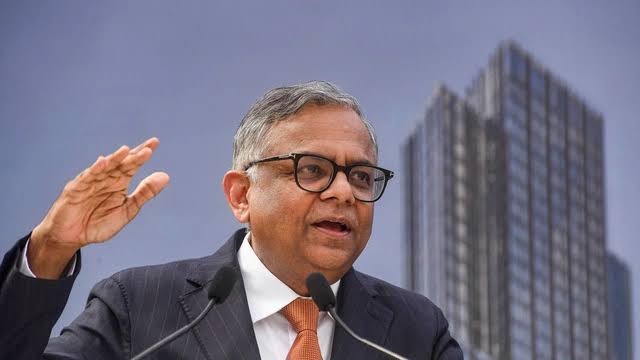
This makes the upcoming leadership transition particularly important. The next chairman will inherit both established businesses and several large strategic projects that are still developing.
Tata Sons Succession Now Becomes a Major Issue
The Tata Group chairman resign announcement immediately raises the question of who will lead Tata Sons after February 20, 2027.
The succession process will be closely watched by investors, employees, shareholders and the wider business community. The new chairman will have to maintain stability across a highly diversified conglomerate while also navigating disagreements about investment, governance and future strategy.
The transition could also influence the direction of major group companies. Tata Sons has interests across automobiles, information technology, steel, power, hotels, consumer businesses and aviation.
The next leader will therefore inherit an organisation with a vast and complicated business portfolio.
Tata Trusts’ Role in the Transition
Tata Trusts’ influence is another important element in the succession process. Because the trusts collectively control a substantial stake in Tata Sons, their views carry significant weight in decisions concerning the holding company’s leadership and strategic direction.
Earlier reports indicated that the issue of Chandrasekaran’s third term had become difficult because of differing views between Tata Trusts and Tata Sons directors. The Tata Group chairman resign announcement now effectively ends the uncertainty surrounding whether Chandrasekaran would continue beyond his existing tenure.
The focus will shift towards finding a successor who can command confidence across the group’s various stakeholders.
Impact on Tata Group’s Strategy
A leadership transition at the top could have an impact on the Tata Group’s strategic priorities. Chandrasekaran has overseen an ambitious expansion phase, including significant bets on manufacturing and new technologies.
The next chairman will need to decide how aggressively the group should continue investing in these areas. At the same time, the leader will have to address questions about profitability, debt, capital allocation and the performance of individual businesses.
The Tata Group chairman resign news therefore comes at an important point in the conglomerate’s development. Tata is simultaneously managing established cash-generating businesses and newer ventures that require substantial investment.
Maintaining the right balance between the two will be one of the most important responsibilities for the incoming chairman.
No Immediate Departure
It is important for readers to understand that the Tata Group chairman resign headline does not mean Chandrasekaran has left Tata Sons immediately.
His current term remains valid until February 20, 2027. He will continue as chairman during this period unless there is a subsequent change in circumstances.
This gives Tata Sons time to prepare for the leadership transition and identify a successor.
The decision could also help reduce uncertainty surrounding the leadership question. Instead of continuing a prolonged debate over another term, the board can now concentrate on succession planning.
What Happens Next?
The next major step will be the search for Chandrasekaran’s successor. The board will have to evaluate potential candidates based on experience, leadership ability, strategic vision and their ability to manage the group’s complex governance structure.
The Tata Group chairman resign development could also encourage wider discussions about the group’s governance model and the relationship between Tata Sons and Tata Trusts.
For employees and investors, continuity will be an important consideration. Tata Group businesses operate across numerous industries and countries, making stable leadership particularly important.
A New Chapter for Tata
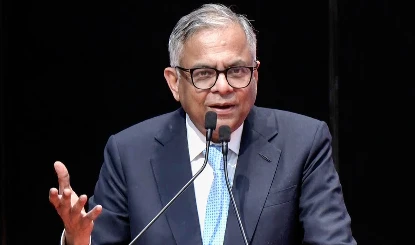
N. Chandrasekaran’s decision marks the beginning of a new chapter for Tata Sons. His tenure has been associated with expansion, diversification and ambitious investments in future-oriented industries.
The Tata Group chairman resign story is therefore not simply about one executive leaving office. It is about a major leadership transition at one of India’s most influential business groups.
The company now faces the challenge of ensuring that the transition is smooth and that strategic projects continue without disruption.
For the Tata Group, the coming months will be crucial. The board must find a successor capable of balancing growth with financial discipline and maintaining confidence among Tata Trusts, shareholders, employees and other stakeholders.
The Tata Group chairman resign decision has removed immediate uncertainty over Chandrasekaran’s future tenure, but it has opened a much bigger question: who will take the Tata Group into its next phase?
As Chandrasekaran continues until February 20, 2027, attention will increasingly shift toward the succession process and the strategic direction of the conglomerate after his departure. The Tata Group chairman resign development could ultimately become a defining moment in the Tata Group’s corporate history, particularly as the organisation navigates new technologies, global competition and significant investments.
For now, the Tata Group chairman resign announcement confirms that N. Chandrasekaran will complete his current term but will not seek reappointment. The Tata Group chairman resign development brings an end to months of speculation about his future and begins a new phase of succession planning.
The Tata Group chairman resign story will remain closely watched as Tata Sons prepares for one of its most important leadership changes in recent years. Ultimately, the success of this transition will depend on how effectively the group combines leadership continuity with a clear strategy for its next stage of growth.
The Tata Group chairman resign announcement also highlights the importance of consensus in corporate governance. With major investments and businesses requiring long-term direction, the selection of the next chairman will carry significance far beyond the Tata Sons boardroom.
Read more latest news

