
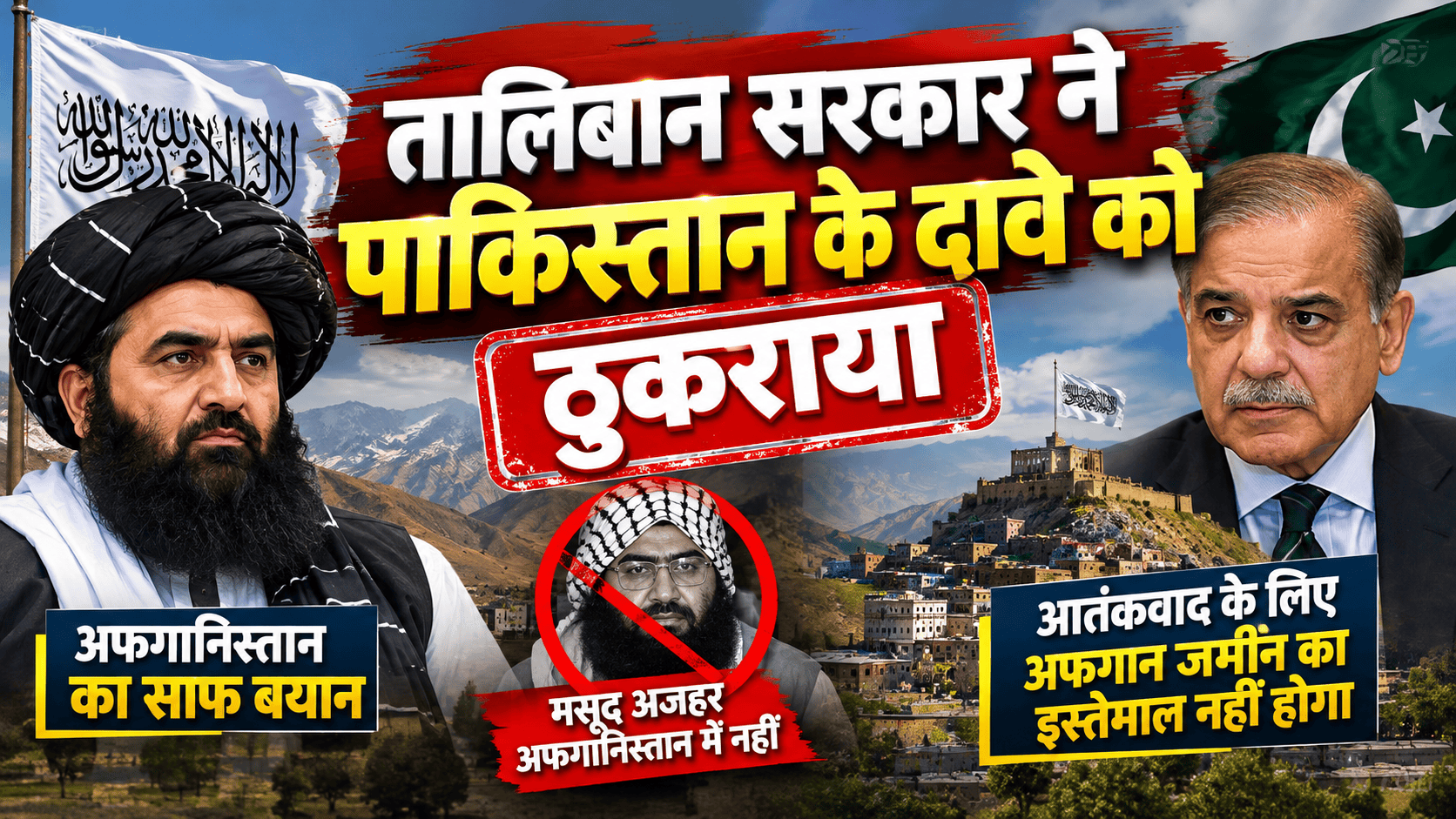
Taliban Government Rejects Pakistan Claim Over Masood Azhar’s Presence in Afghanistan
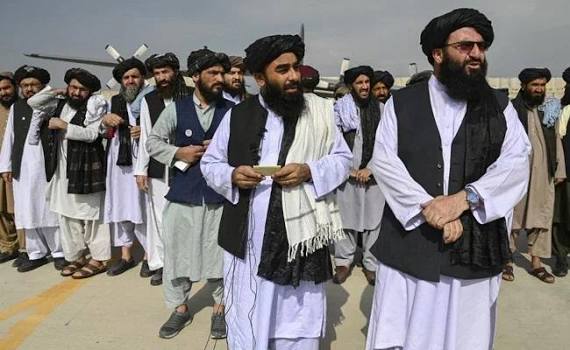
The Taliban government has rejected Pakistan’s claim that Jaish-e-Mohammed (JeM) founder Masood Azhar is operating from Afghanistan, adding another layer of tension to the already complicated relationship between Kabul and Islamabad. According to reports, a senior official from Afghanistan’s Foreign Ministry stated that Azhar is not present in Afghanistan and dismissed the allegation that Afghan territory is being used by him to conduct militant activities.
The statement came after allegations from Pakistan regarding the alleged presence of Masood Azhar in Afghanistan. The Taliban govt has rejected Pak claim and maintained that Afghanistan does not permit its territory to be used for terrorist activities against other countries.
Kabul Denies Masood Azhar’s Presence
The Taliban govt has rejected Pak claim that Masood Azhar is operating from Afghan territory. The Afghan Foreign Ministry official reportedly stated that Azhar is not in the country. The denial is significant because Masood Azhar is one of the most prominent names associated with Jaish-e-Mohammed, a militant organization that has been linked to several attacks in India.
By publicly rejecting Pakistan’s allegation, Kabul is attempting to make its position clear regarding militant groups and activities originating from Afghan soil. The Taliban govt has rejected Pak claim while reiterating that Afghanistan’s territory should not be used against other nations.
The Afghan position also reflects Kabul’s repeated efforts to present itself as a government capable of maintaining control over its territory and preventing foreign countries from being targeted from Afghanistan.
Pakistan’s Allegation
Pakistan has previously raised concerns about militant groups allegedly operating from Afghanistan. Islamabad has accused groups based across the border of carrying out or planning attacks against Pakistan. Such allegations have contributed to growing tensions between the two neighboring countries.
In this case, the Taliban govt has rejected Pak claim specifically concerning Masood Azhar. Pakistan’s assertion that the JeM founder is operating from Afghanistan is particularly sensitive because of Azhar’s history and international profile.
The Afghan response indicates that Kabul does not accept the claim. The Taliban govt has rejected Pak claim and instead emphasized its stated policy that Afghan territory should not be used to launch attacks against other countries.
Who Is Masood Azhar?
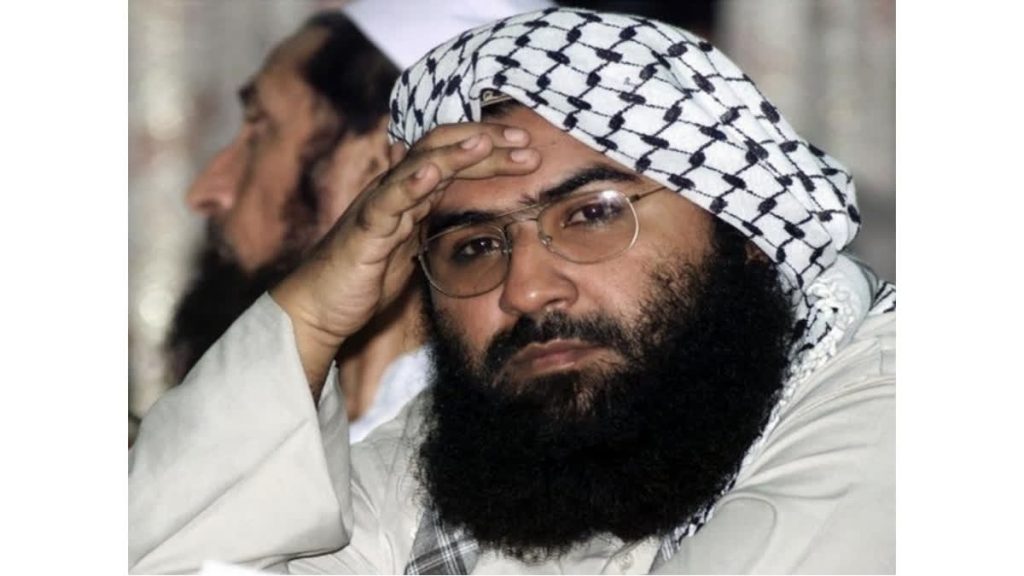
Masood Azhar is the founder of Jaish-e-Mohammed, a militant organization that has been associated with attacks in India. He became internationally prominent after being released from Indian custody in 1999 as part of a hostage-exchange arrangement following the hijacking of Indian Airlines flight IC-814.
Over the years, Azhar has remained a controversial figure in South Asian security discussions. His organization has been designated as a terrorist organization by several governments and international bodies.
The question of his whereabouts has periodically generated speculation and security concerns. Against this background, the Taliban govt has rejected Pak claim regarding his alleged presence in Afghanistan.
The denial from Kabul could therefore become an important point in discussions about regional militancy, border security and counterterrorism cooperation.
Afghanistan’s Position on Terrorist Activities
Kabul has reiterated that Afghan territory will not be allowed to become a platform for terrorist activities against other nations. The Taliban govt has rejected Pak claim while making this broader commitment regarding Afghanistan’s soil.
This declaration is particularly important because Afghanistan has historically been a major focus of international counterterrorism efforts. Various militant organizations have operated in or around the country, creating security concerns for neighboring states and the wider international community.
The Taliban government has repeatedly argued that it wants Afghanistan to maintain stable relations with neighboring countries and prevent its territory from being used to threaten them.
The Taliban govt has rejected Pak claim and its latest statement can therefore be viewed as part of Kabul’s wider effort to establish its security credentials.
Kabul-Islamabad Relations Under Pressure
Relations between Afghanistan and Pakistan have become increasingly complicated in recent years. Although Pakistan historically maintained significant links with the Taliban, disagreements over border security and militant activity have strained ties.
Pakistan has repeatedly expressed concerns about militant groups allegedly operating from Afghanistan. Kabul, meanwhile, has rejected several accusations and called for dialogue to resolve security disputes.
The Taliban govt has rejected Pak claim in the latest dispute, demonstrating that disagreements over alleged militant activity remain a major challenge for bilateral relations.
The situation is particularly important because Afghanistan and Pakistan share a long and difficult border. Security incidents, border restrictions and accusations involving militant groups have frequently created diplomatic tensions.
Impact on Regional Security
The Taliban govt has rejected Pak claim at a time when South Asia remains highly sensitive to terrorism and cross-border militancy. Any allegation involving a prominent militant leader can have implications well beyond Afghanistan and Pakistan.
India, in particular, has closely followed developments involving Jaish-e-Mohammed and Masood Azhar for decades. Any credible information regarding Azhar’s location or activities would therefore attract significant international attention.
However, the Taliban govt has rejected Pak claim and directly disputed the suggestion that Azhar is operating from Afghanistan. Until independent evidence emerges, the competing claims remain part of a broader diplomatic and security dispute.
Counterterrorism Commitments
Kabul’s statement that Afghan territory will not be used against another country is also significant in the context of international expectations from the Taliban government. Since taking control of Afghanistan, the Taliban has faced pressure to demonstrate that the country will not again become a base for international terrorism.
The Taliban govt has rejected Pak claim and used the occasion to reinforce its position that Afghanistan should not be used to conduct terrorist activities.
Whether Kabul can effectively enforce such commitments remains an important question for regional governments. Preventing militant groups from using Afghan territory requires intelligence cooperation, border management and effective internal security mechanisms.
The Taliban govt has rejected Pak claim but the broader question of militant networks operating in the region is likely to remain a subject of international scrutiny.
What Happens Next?
The dispute over Masood Azhar’s alleged presence in Afghanistan may lead to further statements from Pakistan and Afghan authorities. Islamabad could provide additional evidence to support its allegation, while Kabul may continue to insist that Azhar is not located within Afghan territory.
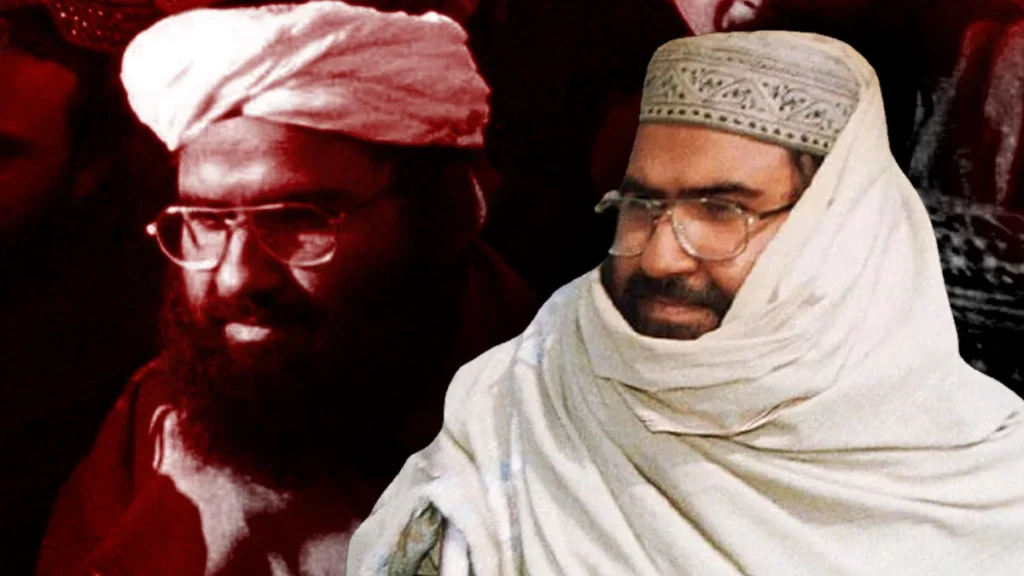

For now, the Taliban govt has rejected Pak claim and firmly denied the allegation. The Afghan Foreign Ministry’s reported statement provides Kabul’s official position, although questions about regional militant networks remain unresolved.
The Taliban govt has rejected Pak claim that the JeM founder is operating from Afghanistan, while also emphasizing that Afghan soil will not be used for terrorist activities against any country.
The Taliban govt has rejected Pak claim in a development that highlights the continuing disagreement between Islamabad and Kabul over security issues. The Taliban govt has rejected Pak claim and sought to distance Afghanistan from allegations concerning Masood Azhar.
Ultimately, the Taliban govt has rejected Pak claim and the dispute underscores the complicated security environment in South Asia. The Taliban govt has rejected Pak claim while reaffirming its stated commitment to preventing terrorist activities from Afghan territory.
As regional governments continue to monitor developments, the Taliban govt has rejected Pak claim remains an important diplomatic statement. The Taliban govt has rejected Pak claim regarding Masood Azhar’s alleged presence, and Kabul’s position could influence future discussions between Afghanistan and Pakistan.
The Taliban govt has rejected Pak claim but the larger issue of counterterrorism cooperation remains unresolved. The Taliban govt has rejected Pak claim, making it clear that Kabul does not accept Pakistan’s allegation about Masood Azhar.
For now, the Taliban govt has rejected Pak claim and reiterated that Afghan territory should not be used to threaten any other country. The Taliban govt has rejected Pak claim as both sides continue to face difficult security and diplomatic challenges across their shared region.
Read more latest news

